
Bulgaria has refused to participate in the new EU loan for Ukraine
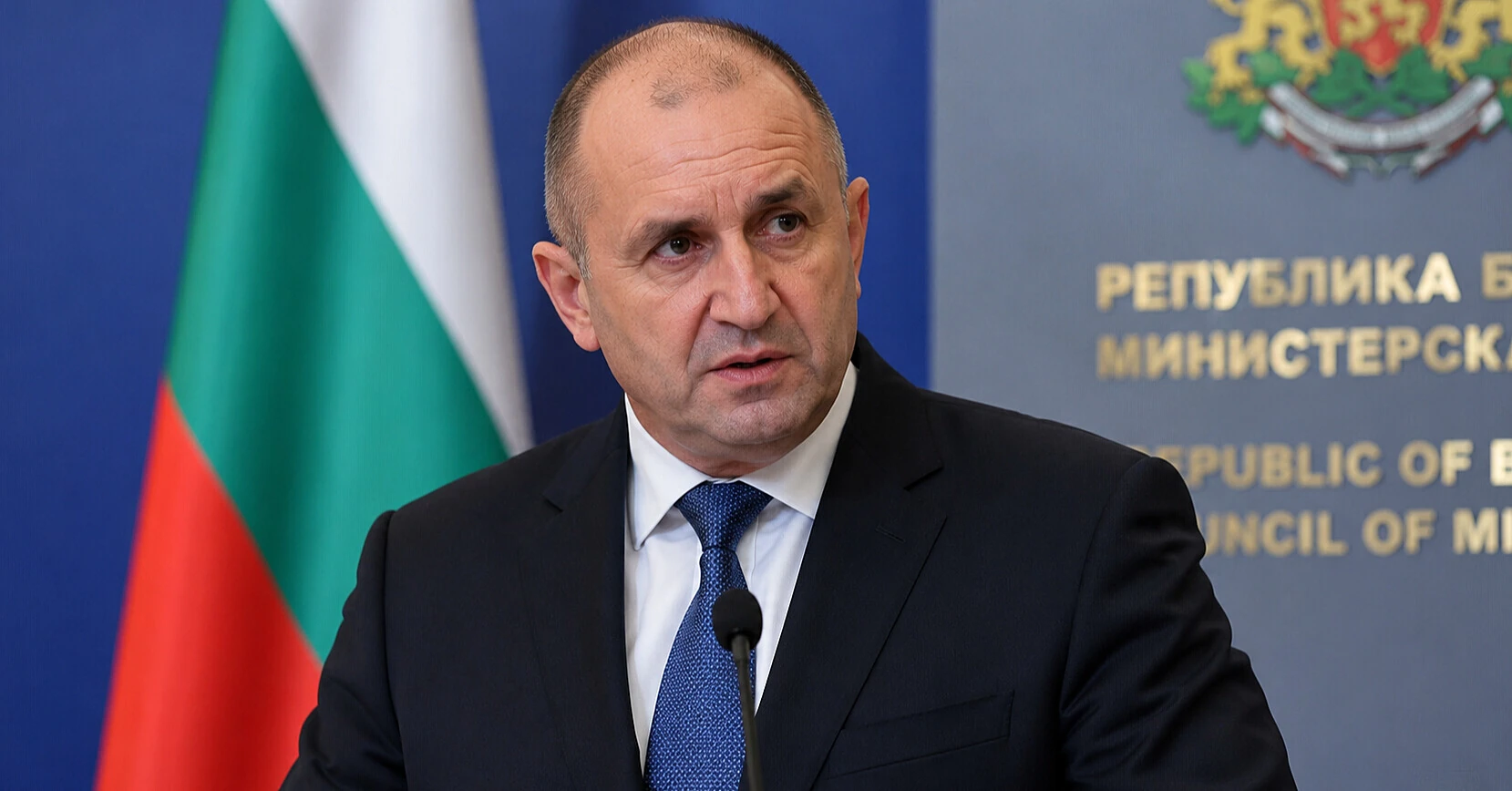
Bulgaria does not intend to participate in providing Ukraine with a new 70 billion euro loan from the European Union. The country's Prime Minister, Rumen Radev, stated that Sofia is not ready to take on additional financial commitments to support Kyiv.
The head of the Bulgarian government announced this on October 20 while speaking with journalists in the town of Tvarditsa, reports the Bulgarian Telegraph Agency (BTA). His position was also confirmed by the Bulgarian government press service.
Radev reminded that at the European Council meeting on October 15–16, President of Ukraine Volodymyr Zelensky asked European partners to allocate an additional 70 billion euros for 2027. These funds are needed to cover Ukraine's defense and other financial needs amid the ongoing Russian aggression.
“How does this look against the backdrop of everything happening in Europe? Bulgaria cannot participate in providing these 70 billion,” — stated Radev.
The Bulgarian Prime Minister reminded that in 2025, the European Union agreed on a loan program of 90 billion euros for Ukraine, scheduled for 2026–2027. The EU acts as the guarantor for these funds.
When the previous loan was agreed upon, three countries — Hungary, Czechia, and Slovakia — obtained exclusions from obligations to finance it. Bulgaria, unlike them, participated in the program.
Now Sofia intends to refuse to participate in a possible additional support mechanism for Ukraine. At the same time, the new 70 billion euro loan has not yet been finally approved, and its terms and distribution of financial obligations among EU states remain under discussion.
Radev explained his position by referring to the economic consequences of the prolonged war. In his opinion, expenses for supporting Ukraine are draining European economies and increasing social tensions.
The Prime Minister also linked the rise in protest sentiments in European countries to the deterioration of the economic situation, job losses, problems with migration policy, and other internal difficulties.
According to Radev, further financing of the war complicates the resolution of internal problems of the European Union states, since resources that could be directed to improving citizens' well-being are being spent on other purposes.
He called for ending the Russian-Ukrainian war as soon as possible through diplomatic means. The Bulgarian Prime Minister believes that each additional day of hostilities increases risks for European security, economy, and political stability.
Radev also expressed the opinion that a final settlement cannot be achieved by military means, so diplomatic efforts must be intensified.
Meanwhile, following the summit on October 15–16, the European Council confirmed its intention to continue financial and military support for Ukraine. EU leaders welcomed the allocation of funds within the previously agreed 90 billion euro loan and instructed the European Commission, together with the International Monetary Fund, to update the assessment of Kyiv's financial and defense needs.
Thus, Bulgaria's refusal concerns participation in a possible new financing package, not an automatic withdrawal from existing assistance programs for Ukraine. There is no official EU decision yet to provide an additional 70 billion euros.
