
Trump suspects Ukraine of trying to harm Republicans in the elections - The Atlantic
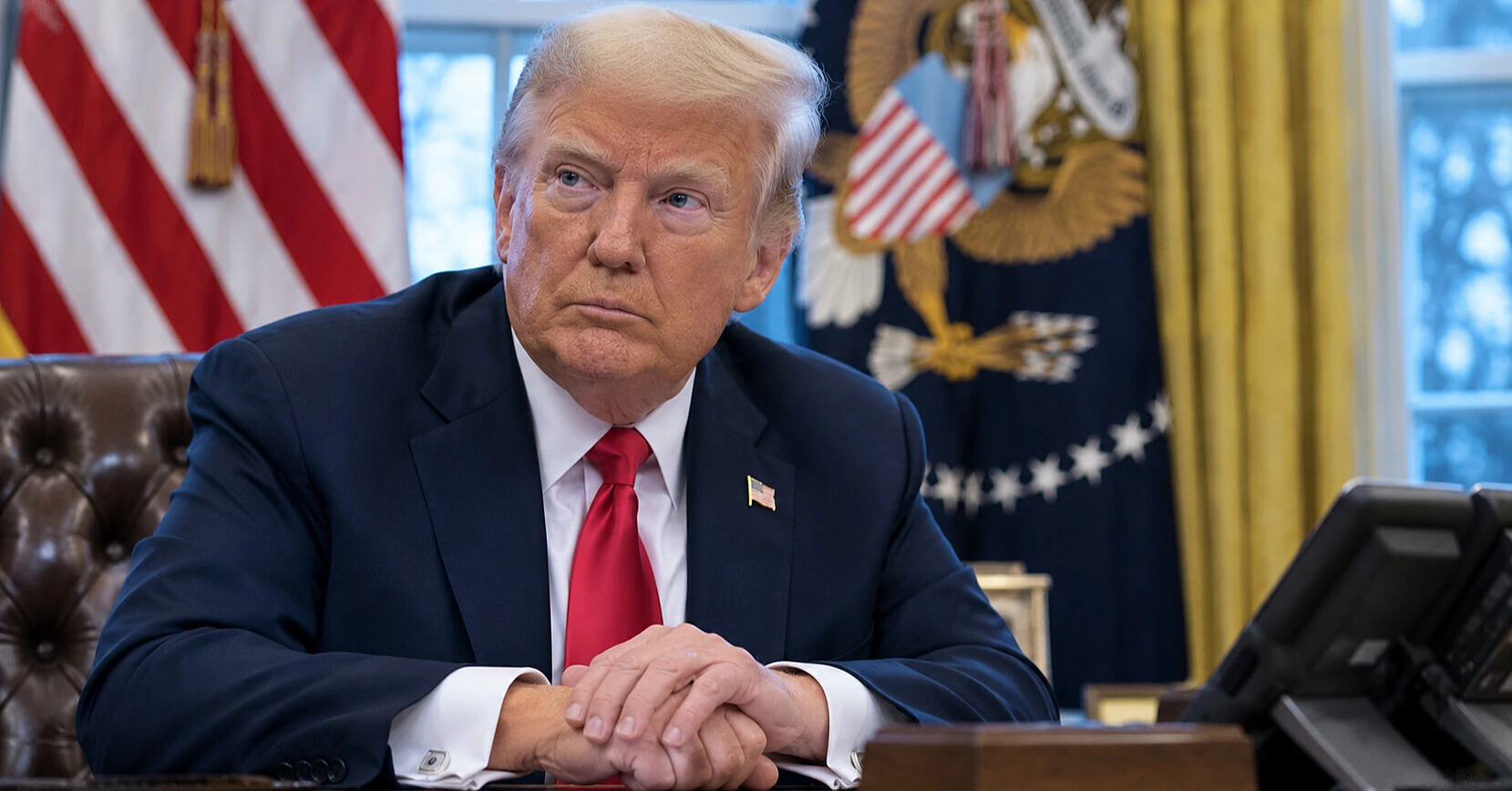
US President Donald Trump is convinced that Ukraine continues to strike Russian oil refineries, among other reasons, to worsen the Republican Party's position in the midterm congressional elections on November 3. Such suspicions became one of the reasons for the sharp deterioration of his relations with Kyiv.
About this reports The Atlantic citing three people from the American president's circle. The article by journalists Jonathan Lemire and Simon Shuster was published on October 20.
According to the publication, Trump links Ukrainian attacks on Russian oil refineries to the rise in global fuel prices, which complicates the position of Republicans before the elections. At the same time, the journalists' sources claim that the US president suspects Kyiv not just of ignoring his demands, but also of deliberately creating political problems for his party.
The publication provides no evidence that Ukraine carries out strikes on Russian oil infrastructure with the aim of influencing American elections. Kyiv regards these facilities as part of the economic infrastructure supporting the Russian war machine.
Trump's displeasure is already accompanied by increased pressure on Ukraine. As The Atlantic writes, US administration officials have threatened to limit arms supplies, intelligence sharing, and access to satellite systems necessary for Ukraine's defense if Kyiv does not stop strikes on Russian oil refineries.
Amid the conflict, Washington delayed approval of the transfer of interceptor missiles for Patriot systems to Ukraine. As previously reported by The Washington Post, this includes missiles that European partners are ready to provide, but their transfer requires the permission of US Defense Secretary Pete Hegseth.
According to The Atlantic, part of Trump's circle proposes going even further and limiting intelligence cooperation with Ukraine. Meanwhile, there is no unified position in the Republican Party: some of its representatives oppose weakening support for Kyiv.
The Ukrainian leadership is particularly concerned about the period after the American elections. According to the publication's sources, if Republicans lose control of one or both chambers of Congress, Trump could intensify pressure on Ukraine before the new parliament takes office on January 3, 2027.
One of the American president's external allies told journalists that Trump is currently extremely unhappy with Ukraine and wants Volodymyr Zelensky to step down from the presidency. This statement reflects the assessment of The Atlantic's source, not an officially announced decision by the White House.
Another source of tension is the diplomatic plans of Washington and Moscow. According to the publication, Vladimir Putin proposed organizing a meeting with Trump and Chinese President Xi Jinping during the Asia-Pacific Economic Cooperation summit in Shenzhen, China in November.
It is assumed that at such a meeting world leaders could discuss ending the Russo-Ukrainian war without Kyiv's direct participation. Ukrainian officials fear that this format would allow major powers to make decisions about Ukraine's future without its representatives.
Moreover, according to The Atlantic, Trump expects to secure a peace agreement between Ukraine and Russia by the G20 summit, which is to be held in December at his golf resort in Florida. The American president would like to arrange a meeting between Putin and Zelensky there and present the achieved agreement as a diplomatic success.
However, the positions of the parties still differ significantly. Zelensky does not agree to territorial concessions to Russia, while Moscow continues to put forward conditions unacceptable to Kyiv.
President of the Council on Foreign Relations Michael Froman, who previously held senior positions in the administrations of Bill Clinton and Barack Obama, warned The Atlantic that reducing American military and intelligence assistance could not bring the war closer to an end, but, on the contrary, prolong it. In his assessment, weakening Ukraine will reduce Moscow's interest in seeking a compromise in negotiations.
