
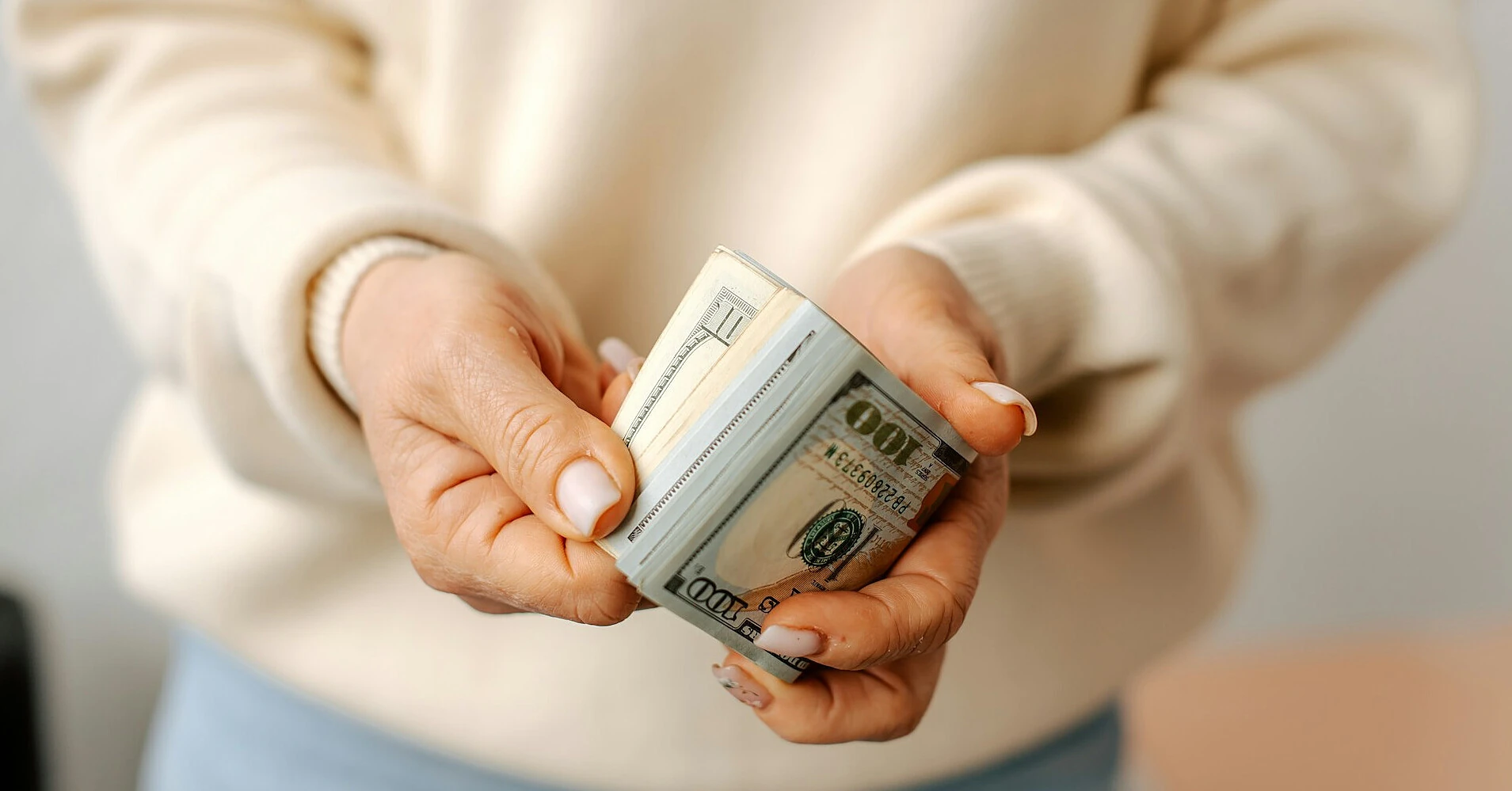
Ukrainians have sharply increased purchases of foreign currency. This is evidenced by data published on the NBU website. If in May 2026, on average per day in banks and exchange points, they bought 10.48 million dollars more than they sold, then in August – already 26.78 million dollars more.
In September, the net balance of currency purchases by Ukrainians (both cash and non-cash) grew to 41.83 million dollars per day, and for 19 days of October it averaged 48.41 million dollars – 15% more than in September and almost 5 times more than in May.
Absolute figures also grew. In May, Ukrainians bought 230.51 million dollars more than they sold to banks and exchange offices, and in September net purchases amounted to 920.32 million dollars – exactly 4 times more! And there are all prerequisites to think that for October this figure will become even larger, because only in 19 days of October (actually – two-thirds of the current month) already 629.28 million dollars more have been purchased.
If we analyze which currency Ukrainians prefer more – cash or non-cash, it becomes obvious that preferences have not changed in this matter. They both buy and sell about 4 times more cash currency than non-cash. This is due to the established tradition of keeping currency not in the bank, but at home "under the mattress".
Non-cash currency is bought mainly either to replenish foreign currency cards, or to deposit (most often for a term of 3 months). After August 11, 2026, when the National Bank of Ukraine allowed buying non-cash foreign currency on a card within the limit of up to 200,000 hryvnias per month (the limit was immediately increased 4 times), they did not buy more of it. That is, the increase in the limit did not provoke an increase in non-cash purchases.
Which currency do they buy more? Ukrainians traditionally buy more US dollars than any other currency. The US dollar accounts for about 70% of all purchases. In second place – the euro. In 2026, its share is approximately 27-28% of the purchased currency. Demand for the euro usually grows during periods of its decline on the global foreign exchange market FOREX.
All remaining currencies – zloty, pound sterling, Canadian dollar, etc. – together make up about 2-3%. In third place (which is quite logical) is the Polish zloty. The volumes of zloty purchases in equivalent amount to hundreds of millions of dollars per year, but in percentage terms, according to NBU data, only 1.45%. And another 0.5-1.5% – all other currencies.
