
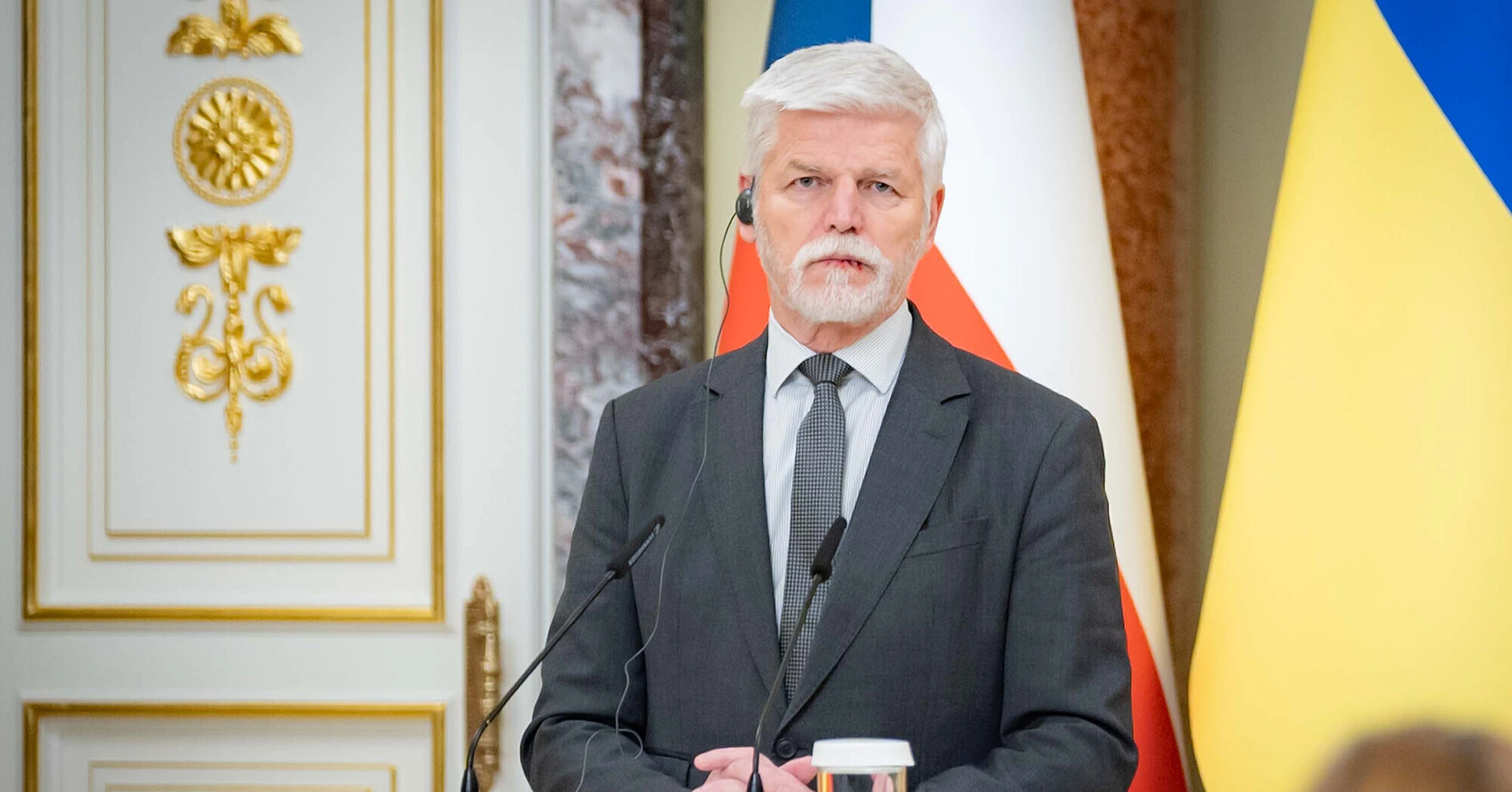
Czech President Petr Pavel criticized Donald Trump's agreement on Russian diesel fuel supplies, saying it weakened pressure on Moscow and postponed the prospect of ending the war in Ukraine. In his assessment, before the change in US sanctions policy, the parties were close to a ceasefire.
Pavel said this in an interview with Axel Springer Global Reporters Network, published by Politico on October 22.
According to the Czech president, the coordinated US and European sanctions previously created serious economic difficulties for Russia. However, Washington's decision to ease restrictions on Russian diesel gave the Kremlin a chance to breathe and reduced its interest in making concessions at the negotiating table.
Pavel believes that Moscow received a new incentive to negotiate directly with the United States, and potentially China, without considering the interests of Ukraine and European states.
The Czech president did not call Washington's actions a betrayal of allies, but characterized the diesel deal as a mistake that contradicts Europe's interests. He also stressed that responsibility for the war cannot be placed on Ukraine, since Russia started the aggression.
According to Pavel's assessment, Trump shows a much more open approach to Moscow than European leaders. The Czech president assumed that the American leader views relations with Russia primarily through US economic interests.
The White House previously explained the agreement as necessary to increase diesel fuel supply on the global market and curb price growth. At the same time, the decision drew criticism from American lawmakers and Ukrainian President Volodymyr Zelenskyy.
Earlier "Kurs Ukrainy" reported that Washington's diesel deal with Moscow caused a sharpening of relations between the US and Ukraine and complicated further peace talks.
Based on materials from: Politico
