
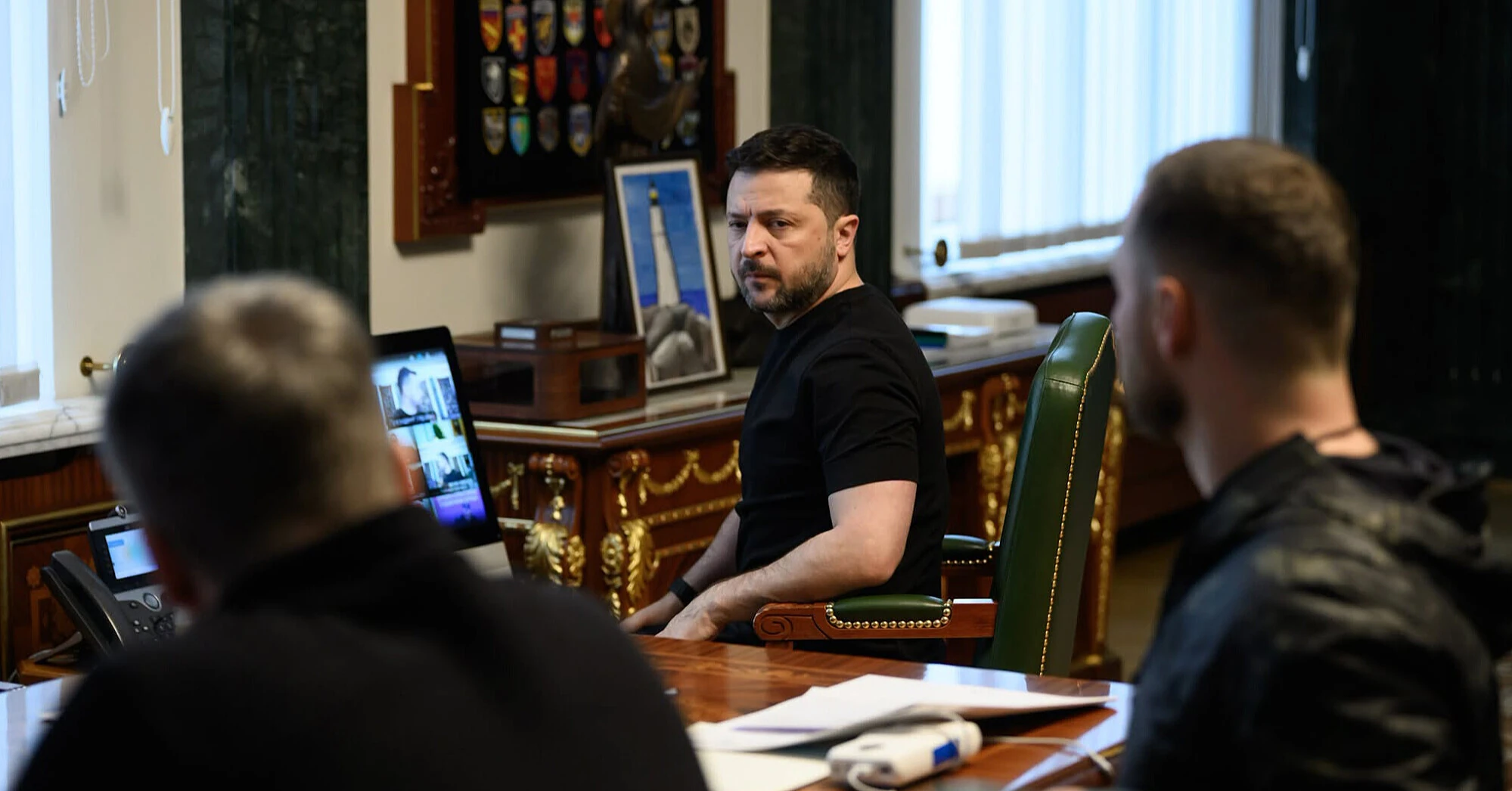
Since October 11, Russian forces have carried out more than 170 strikes on important energy infrastructure facilities in Ukraine. The attacks continue, despite Ukrainian air defense forces downing a significant portion of attack drones and some missiles.
This was stated by President of Ukraine Volodymyr Zelensky on October 22 after reports on eliminating the consequences of Russian shelling.
According to the head of state, over the past eleven days, the Russian army systematically attacked key facilities of Ukraine's energy system. The president did not specify the number of individual damaged enterprises or energy facilities. The figure he mentioned refers specifically to hits, not necessarily different facilities.
Zelensky thanked international partners who help Ukraine restore energy infrastructure after Russian attacks.
Further damage to the energy system was recorded on October 22. As Kurs.com.ua previously reported, Russian forces attacked energy facilities in Poltava, Volyn, and Rivne regions.
As a result of the new strikes, some consumers were left without electricity. In Kyiv, due to damage to energy equipment in certain districts, emergency outages were applied. In a number of regions, hourly schedules for the population and restrictions on electricity consumption for industrial enterprises were in effect.
Restoration work is ongoing. Power engineers are gradually restoring electricity supply to consumers, but due to previous and new damage, the situation in some regions remains difficult.
Zelensky also stated that Ukrainian intelligence has received information about Russia's priorities for further strikes on Ukraine in the coming weeks. The president did not name specific targets or regions on which Russian forces plan to focus attacks.
In his assessment, Russia is trying to take advantage of the slowdown in the supply of air defense systems to Ukraine from international partners. At the same time, the easing of pressure on Moscow by certain states, in the president's opinion, encourages the Russian leadership to continue the war.
In this regard, Zelensky instructed the Ministry of Defense, together with the military command and the Ministry of Foreign Affairs, to inform partners in detail about the current situation, the scale of threats, and Ukrainian intelligence data.
A separate task is to accelerate the delivery of already agreed defense aid packages, primarily the means necessary to protect Ukrainian cities and critical infrastructure from missile and drone attacks.
Previously, Zelensky repeatedly called on partners to increase the supply of anti-missiles for air defense systems, in particular Patriot complexes, against the backdrop of intensified Russian strikes on Ukraine's energy sector.
