
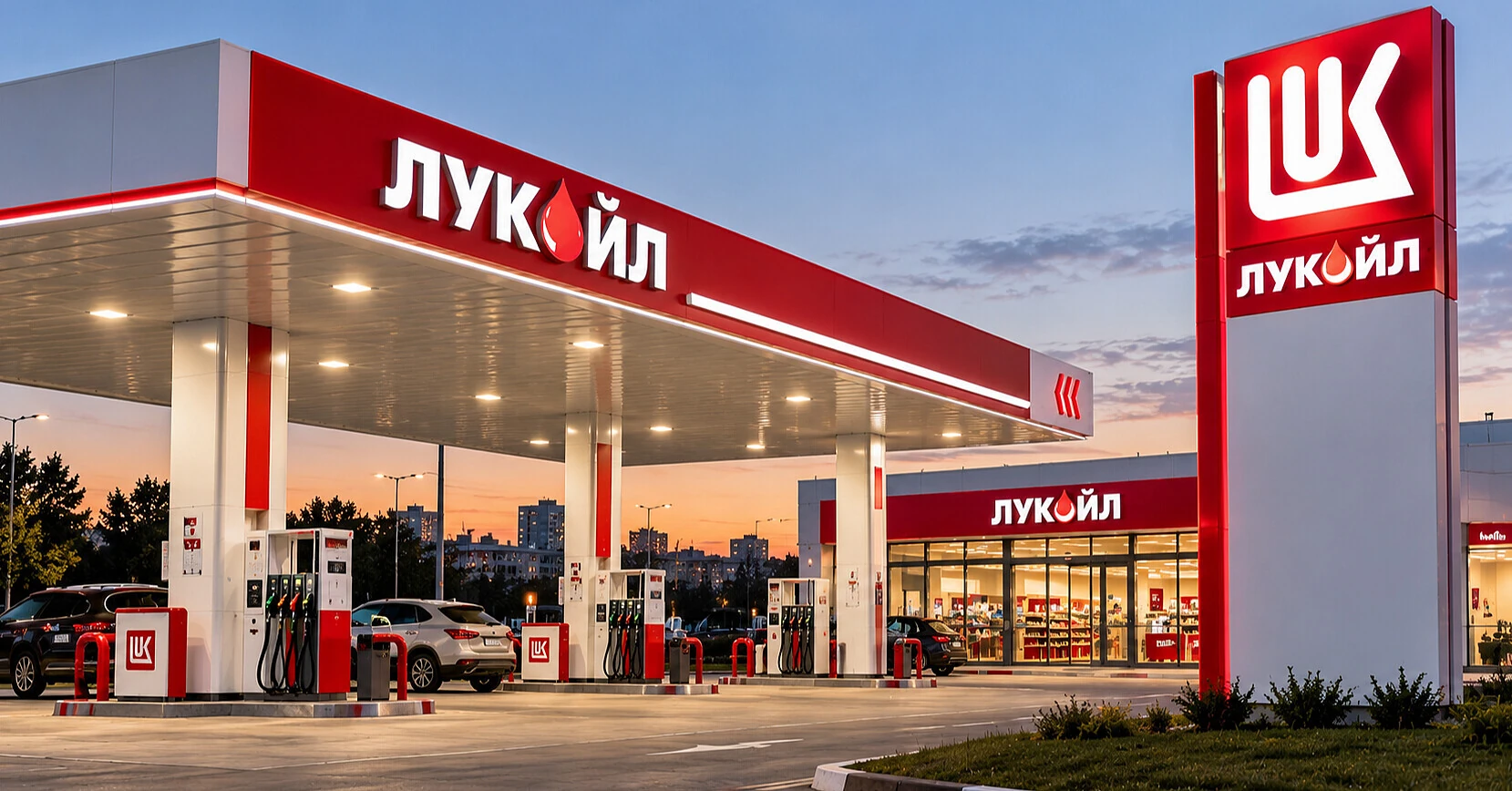
The U.S. Treasury Department has extended until November 21, 2026, the authorization to conduct negotiations on the sale of the international assets of the Russian oil company Lukoil. Potential buyers were given an additional month to finalize the terms of the deal, but completing the acquisition without a separate permit from U.S. authorities remains impossible.
The decision was announced on October 21 by the Office of Foreign Assets Control (OFAC) of the U.S. Treasury. The extension was also reported on October 22 by Reuters.
The new General License No. 131K replaces the previous authorization, which was set to expire on October 22. The document applies to Lukoil International GmbH, the entity holding the foreign assets of the Russian oil group, as well as to its subsidiaries.
The license allows potential investors to continue negotiations, conduct financial, legal, and operational due diligence on the companies, and enter into preliminary purchase agreements.
At the same time, OFAC's official guidance sets several mandatory conditions for completing the deal:
- The buyer must fully sever the acquired businesses' ties with the Russian Lukoil.
- Funds owed to the Russian company must remain blocked in accounts under U.S. jurisdiction until sanctions are lifted.
- The transaction must not provide immediate financial benefit to Lukoil, including through asset or share swaps.
- The final transfer of ownership will require a separate authorization from the U.S. regulator.
OFAC also retains the right to revoke the license early if the negotiating parties fail to work in good faith toward the sale of the assets.
The extension comes after U.S. investment firm Carlyle Group ended its pursuit of Lukoil's international business.
In January 2026, Carlyle agreed with the Russian group on terms to purchase its foreign assets, excluding the Kazakhstan operations. However, the deal did not receive the necessary approval from the U.S. Treasury, and the agreement expired at the end of July.
The value of Lukoil's international portfolio was initially estimated at about $22 billion. It includes oil production projects, refining facilities, and gas station networks in various countries.
More than ten potential buyers expressed interest in acquiring the assets. Among them were U.S. energy giant Exxon Mobil and a consortium headed by investor Todd Boehly, formed with the participation of entities linked to U.S. government funding and capital from Persian Gulf countries.
Earlier, “Kurs Ukrainy” reported that Boehly's consortium was bidding for the Russian company's international business. However, no final sale agreement has yet been concluded.
The U.S. imposed blocking sanctions on Lukoil and Rosneft on October 22, 2025, citing the need to reduce revenues of the Russian oil sector used to fund the war against Ukraine.
After the restrictions were introduced, Lukoil announced its intention to sell its foreign operations. International trading company Gunvor was initially expected to be the buyer, but the deal fell through after U.S. authorities declined to issue the necessary license.
Separately, on October 15, 2026, the U.S. Treasury extended until April 24, 2027 licenses allowing Lukoil's foreign gas stations and the group's operations in Bulgaria, including the Burgas refinery, to continue operating.
Washington's new decision does not lift the existing sanctions against the Russian oil company. It only provides investors with additional time to prepare the transaction, the terms of which must ensure that the Russian company receives no unfrozen proceeds from the sale of its international business.
