
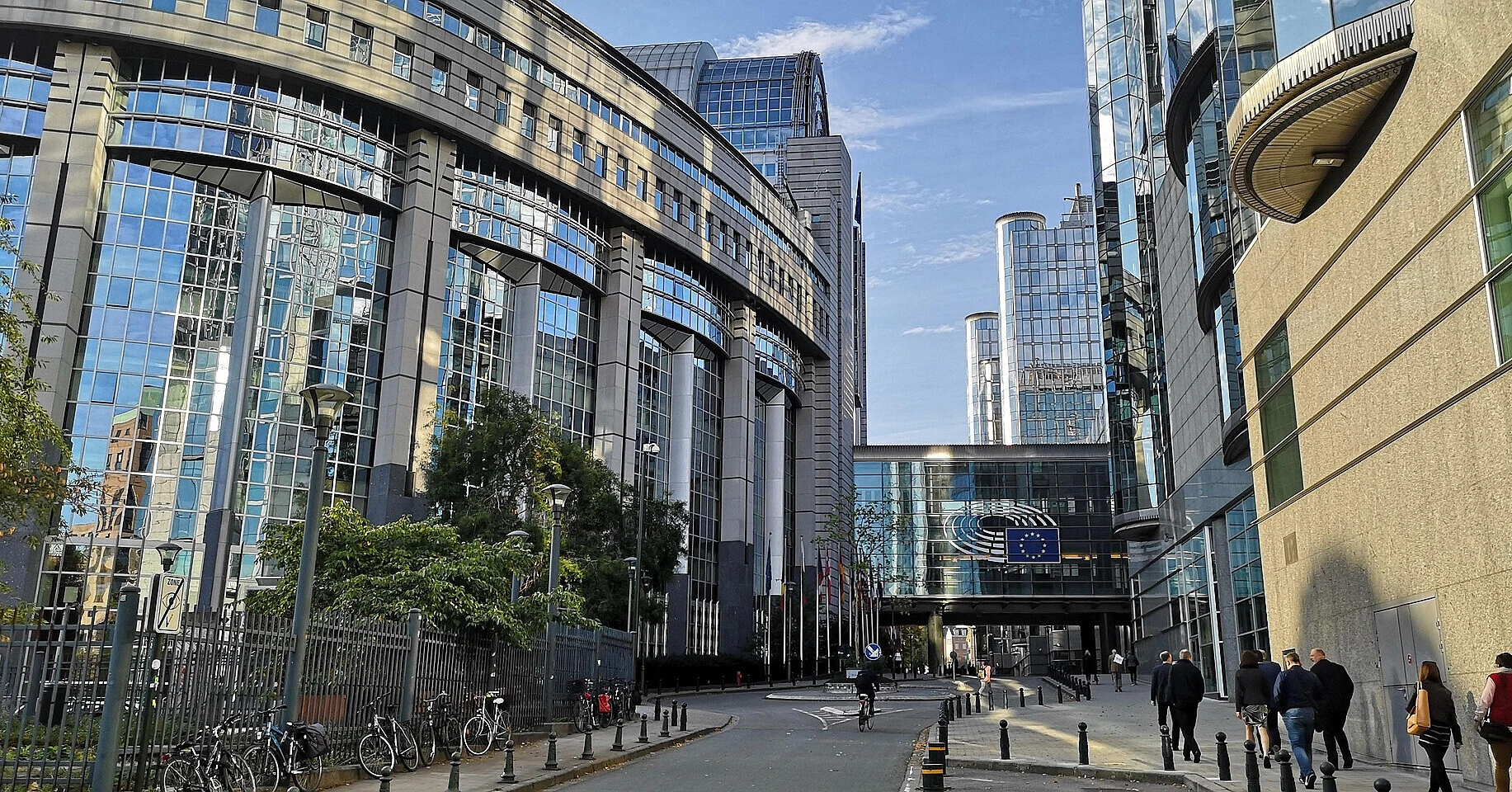
The European Parliament on October 22 awarded the Sakharov Prize for Freedom of Thought to the International Criminal Court (ICC) and its staff. The decision was made amid US sanctions pressure on the international judicial body, which, in particular, is investigating Russia's war crimes in Ukraine.
This was announced by European Parliament President Roberta Metsola during the plenary session in Strasbourg.
The winner of the 2026 Sakharov Prize is the International Criminal Court together with its officials. The winner was determined by the Conference of Presidents of the European Parliament, which includes the leadership of the legislative body and the leaders of the political groups.
Announcing the decision, Metsola stressed that the European Union is founded on respect for international institutions and the principles of multilateral cooperation. According to her, the award recognizes the ICC's work to ensure compliance with international law and to bring perpetrators of the most serious crimes to justice.
President of the International Criminal Court Tomoko Akane thanked the European Parliament for the decision. She noted that the award is of particular significance at a time when the court and its staff are facing unprecedented challenges.
The European Parliament's decision comes less than two weeks after Washington imposed new sanctions on the ICC. On October 9, the administration of US President Donald Trump announced restrictions affecting the institution's operations.
Previously, the US authorities had already imposed sanctions on individual ICC judges and prosecutors. Washington opposes investigations affecting the US and its allies, primarily Israel.
In particular, the conflict was sparked by the ICC arrest warrants for Israeli Prime Minister Benjamin Netanyahu and former Defense Minister Yoav Galant on charges of alleged crimes committed in the Gaza Strip.
As the Council of the EU reported on October 10, the European Union condemned the US sanctions and stated its readiness to take the necessary measures to ensure the court's independent work.
For Ukraine, the ICC's work is of direct importance. On March 17, 2023, the court issued arrest warrants for Russian President Vladimir Putin and Children's Rights Commissioner Maria Lvova-Belova.
They are suspected of war crimes related to the illegal deportation and transfer of Ukrainian children from occupied territories to Russia.
Subsequently, the ICC also issued arrest warrants for Russian military leaders, including Sergei Shoigu and Valery Gerasimov. The basis was alleged war crimes and crimes against humanity, related, in particular, to strikes on Ukraine's civilian energy infrastructure.
However, the awarding of the Sakharov Prize is a political and public recognition of the international court's work. It does not cancel US sanctions or change the legal status of the ICC's arrest warrants.
In addition to the International Criminal Court, the final list of nominees for the award included imprisoned Tanzanian opposition leader Tundu Lissu, as well as Iranian sisters Taraneh and Romina Rahimi, who were persecuted for participating in anti-government protests.
The Sakharov Prize was established by the European Parliament in 1988. It is awarded annually to individuals and organizations for the defense of human rights, freedom of thought, and democratic values. The monetary value of the award is 50,000 euros.
The official award ceremony will take place in December 2026 during the European Parliament's plenary session in Strasbourg.
