
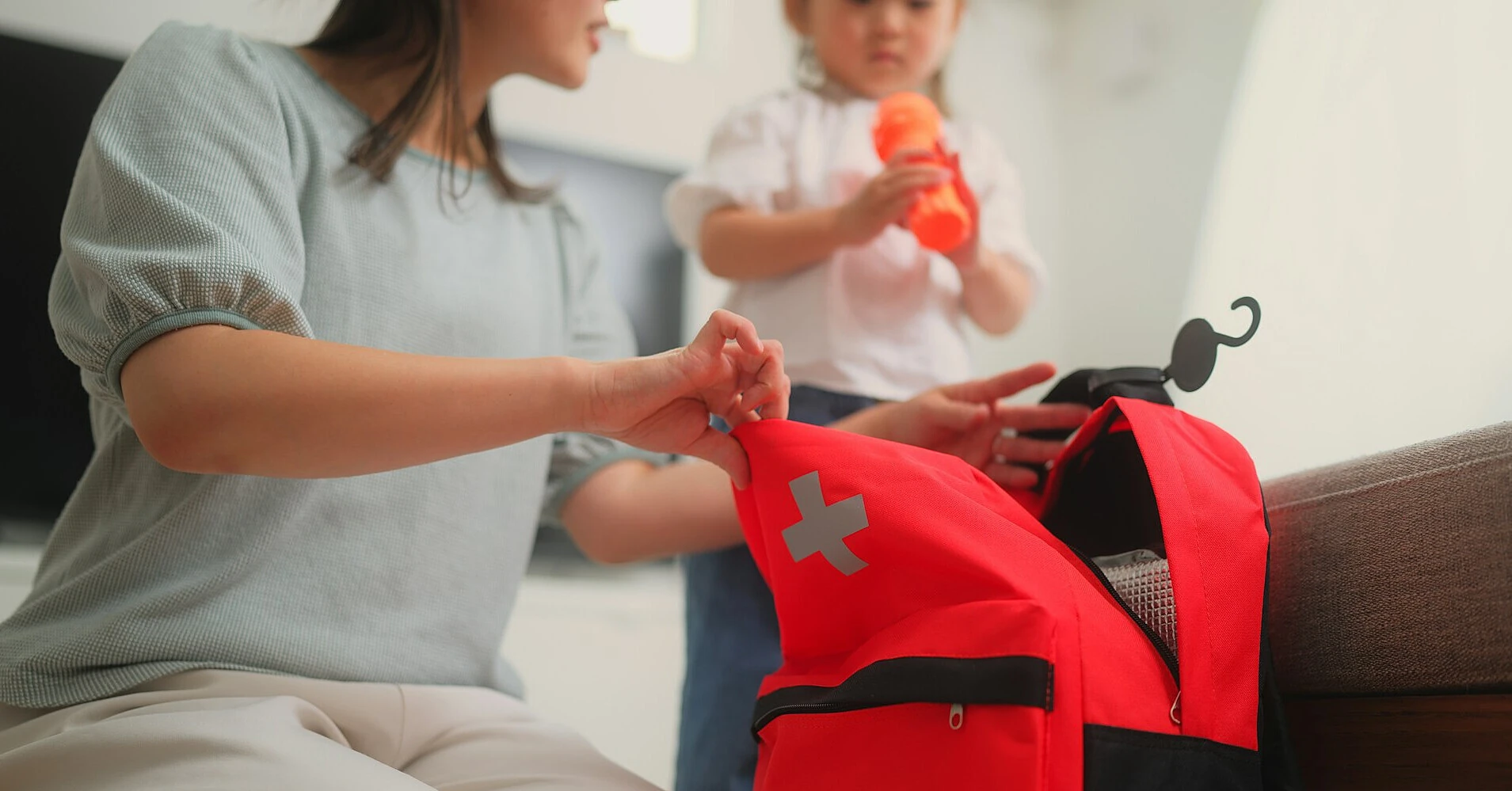
British authorities advise every family to have a minimum three-day supply of essentials. To do this, they recommend imagining that electricity, water, and internet suddenly go out at home, mobile communication is intermittent, and paying by card in a store is impossible. Similar recommendations already apply in many EU countries.
On October 22, the UK government launched a national campaign Be Ready, designed to last three years. Its goal is to help people independently cope with the initial consequences of emergencies while utility services are restored or aid is organized.
The authorities emphasize: this is not a warning about any specific impending disaster. Preparation is intended for various situations—from severe storms and floods to large-scale power outages and cyberattacks.
Why Britons are advised to count on 72 hours
Three days were not chosen randomly. During serious disruptions in electricity, water supply, or transportation, restoring normal life may take time. In the first days, rescue services primarily help those who cannot independently meet their basic needs.
According to a 2026 government study, only 13% of UK residents consider their families well or fully prepared for emergencies. Half of respondents admitted they are practically or completely unprepared for such events.
That is why the authorities decided to move from general warnings to clear everyday recommendations.
Security Minister Dan Jarvis explained that even small precautions can reduce the burden on emergency services and allow them to help the most vulnerable people faster.
Three-day supply: official list of necessary items
A dedicated government website Be Ready has published a list of items it is desirable to have at home in case basic services temporarily stop working.
1. Drinking water. UK authorities recommend planning for at least 3 litres per person per day for drinking. Thus, a family of four would need 36 litres of water for 72 hours. Additional reserves are needed for cooking and hygiene.
2. Food that does not need cooking. Canned goods, nuts, dried fruits, and other long-shelf-life products. It is better to choose familiar food that does not require a refrigerator, electricity, or large amounts of water.
3. Torch and spare batteries. It is preferable to use torches rather than candles: during power outages they are safer in terms of fire. Warm blankets and clothing will also come in handy in case heating stops.
4. Charged power bank and radio receiver. If internet or mobile communication disappears, a battery-powered or hand-cranked radio will help receive messages from emergency services. A portable charger will allow you to use your phone longer.
5. Cash. During communication failures, ATMs and bank terminals may stop working. Authorities recommend having a small amount of cash sufficient for buying essential items.
6. Medicines and first aid kit. A supply of regularly taken medications, dressings, and basic medical supplies should be in the house. It is especially important to consider the needs of people with chronic diseases in advance.
7. Documents and important phone numbers. It is advisable to keep paper copies of key documents, contacts of relatives and emergency services, information about medications and medical equipment.
8. Baby supplies and pet food. Families with young children need to plan for supplies of diapers, wet wipes, and ready-to-eat infant food. Pet owners should have food and drinking water for their animals.
At the same time, the UK government does not suggest immediately stockpiling large quantities of goods. It is recommended to first check home supplies and then gradually buy missing items during regular shopping trips.
Every six months, it is worth checking expiration dates of food, battery charge, and document validity.
The EU adopted this recommendation back in 2025
Britain is not the first European country to suggest preparing for several days of autonomous living.
On March 26, 2025, the European Commission presented its preparedness strategy, which recommended that the population have necessary supplies for at least 72 hours.
Brussels explained the initiative by a growing number of threats: from natural disasters and pandemics to cyberattacks, sabotage against critical infrastructure, and military conflicts.
However, the EU-wide recommendation is not a law obliging every family to buy an emergency kit. Specific advice and preparation methods are determined at the national level.
Interestingly, even the recommended water amount varies across countries.
In France, the official 72-hour emergency kit provides for 6 litres of drinking water per person. In addition to food and medicine, it suggests adding spare keys, copies of documents, and even board games for children.
In the Netherlands, they advise having 3 litres of water per person per day—the same as now recommended for Britons. The list also includes cash, a radio receiver, and a whistle to signal rescuers.
Thus, the idea of a three-day supply has long been part of the European civil safety system. The new UK campaign expands the reach of such recommendations but does not itself mean imposing a state of emergency.
What to do if electricity and communication really go out
Having supplies is only part of preparedness. Authorities also advise agreeing with relatives in advance on actions during communication disruptions, writing down important phone numbers on paper, and finding out which neighbours might need help.
This especially applies to elderly people, families with young children, and those who use medical equipment dependent on electricity.
In the UK, for such citizens there is a Priority Services Register—a special register that allows utility companies to know in advance who may need extra support during outages.
At the same time, the advice to have a three-day supply does not mean staying home during any emergency. If emergency services announce an evacuation, you must follow their instructions.
The main idea of the European approach is quite simple: in the first hours of a crisis, normal services may operate intermittently, and help may not reach everyone at once. A small home stock of water, food, medicine, and means of communication makes it possible to get through this period more calmly and without urgent searches for what you need.
Based on materials from: UK government, Be Ready, European Commission, French government, and Dutch government.
