
An American gas export project valued at $25 billion has become the focus of an investigation into alleged hidden financing from Russia. The former head of Polar LNG claims that the Russian company Novatek not only provided money but also influenced the project's strategy before obtaining the necessary approvals from U.S. authorities. After a conflict, almost all top managers left the company.
This was reported on October 24 by Financial Times and The New York Times after reviewing internal documents, correspondence, and testimonies of project participants.
The story gained particular significance amid American sanctions against Russia and Washington's negotiations with Moscow about possible economic cooperation.
How Russian money could have entered the American project
Polar LNG intends to build a large liquefied natural gas plant on the northern coast of Alaska. The project's cost is estimated at approximately $25 billion, and the produced gas is planned to be exported primarily to Asia.
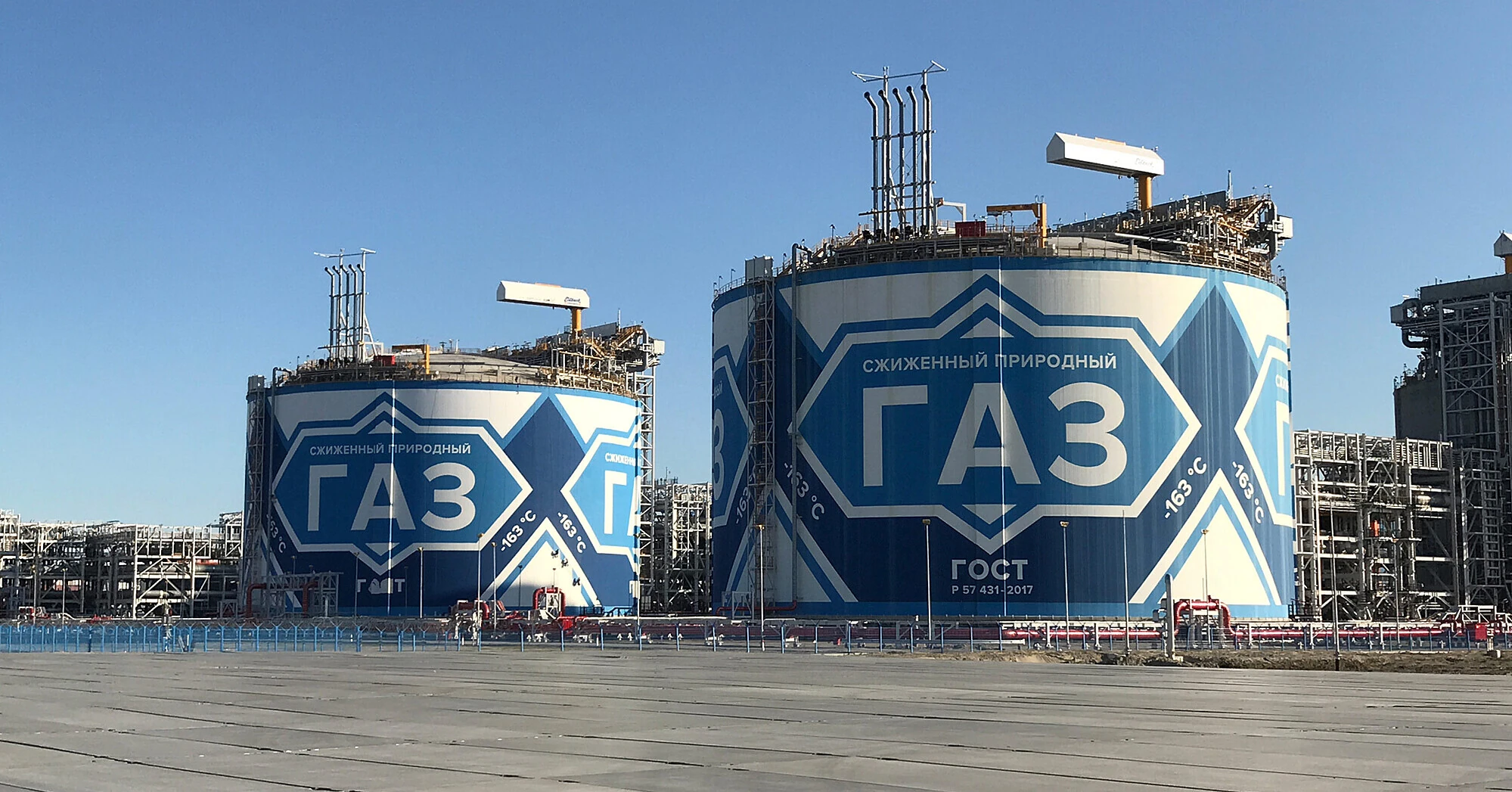
For construction, it is planned to use Novatek's technologies, including a partially completed platform created for a Russian gas project.
However, the former CEO of the American company, Joel Riddle, claims that the cooperation was much broader than a simple purchase of technology.
According to him, he initially believed that the financing came from American investor Gentry Beach and the company Tech Wave from the United Arab Emirates.
Later, Riddle discovered that at least part of the money could actually have come from the Russian Novatek through intermediaries.
In August, during a meeting in Abu Dhabi, he learned about the direct participation of the Russian company's executives in discussing the project's financing.
Financial Times examined WhatsApp correspondence in which Novatek board member Denis Solovyov discussed money transfers and tried to expedite the receipt of funds.
According to The New York Times, the correspondence also discussed allocating up to $15 million to finance the initial operations of the American project. A first transfer of $5 million was also mentioned.
However, the published information does not confirm that the full discussed amount was actually received.
Important: $25 billion is the estimated cost of building the gas complex, not the size of proven Russian financing.
After the conflict, managers left the company
Concerned about a possible violation of American sanctions, Riddle sought legal advice.
Lawyers warned him of potential risks associated with investors having ties to the Russian company.
In September, the executive announced his departure. Following him, other top managers, including the CFO, left Polar LNG.
However, the company disputes this version of events.
In an official statement on October 23, Polar LNG claims that Riddle was fired at the employer's initiative. The company called the former executive's accusations unfounded and emphasized that its activities comply with U.S. law.
At the same time, as NYT reports, documents show that Riddle submitted his resignation six days before receiving the termination letter.
What the U.S. and Russian companies acknowledged
Despite disagreements, commercial cooperation between Polar LNG and the Russian side is not denied.
The American company confirmed that it received financing from Tech Wave of the UAE. Polar LNG also reported filing an application with the U.S. Treasury Department's Office of Foreign Assets Control (OFAC) for permission to purchase the unfinished gas platform from Novatek.
Novatek itself confirmed an agreement granting Tech Wave the right to use Russian technologies in Alaska and the signing of a memorandum of understanding with Polar LNG in April 2026.
The Russian company also announced its intention to obtain a minority stake in the American project, emphasizing that appropriate permits from U.S. and Russian authorities would be required to implement the cooperation.
Thus, the fact of business ties is confirmed. But accusations of illegal financing and hidden control over the American project remain a matter of dispute.
How the project is linked to Trump's circle and sanctions
The possible cooperation of American investors with Novatek became known back in February. At that time, Kurs Ukrainy reported that Gentry Beach, an acquaintance of Donald Trump Jr., had agreed with the Russian company on a gas project in Alaska.
However, the current investigation added an important detail: according to Riddle, Beach ultimately did not provide the promised financing to the project. Novatek also stated that the American investor is no longer involved in negotiations.
According to Financial Times, representatives of the U.S. and Russia discussed the possibility of using Novatek's technologies in Alaska as part of broader negotiations on economic cooperation.
Sources told the publication that one of the options discussed was easing sanctions against the Russian project Arctic LNG 2 in exchange for the company's participation in building the American gas complex.
However, Novatek denies that providing its technologies depends directly on the lifting of sanctions.
According to NYT, Vladimir Putin discussed gas cooperation in Alaska with Donald Trump's representatives—Steve Witkoff and Jared Kushner.
However, there is no confirmation that they or the U.S. president himself knew about the alleged hidden financing of Polar LNG.
What will happen to the $25 billion project
After the leadership change, Tim Tolkington, former head of Goldman Sachs' Russian division, became acting CEO of Polar LNG.
The company intends to continue the project and expects to begin gas deliveries by the end of 2030. To do so, it still needs to obtain permits, attract investment, and complete engineering work.
The Polar LNG project itself should not be confused with Alaska LNG—another major gas project in Alaska.
The main question of the investigation remains open: was cooperation with the Russian company limited to legal technology agreements, or did Novatek indeed finance and determine the strategy of the American enterprise without the necessary permits?
U.S. authorities have not publicly announced any proven sanction violations in connection with the alleged transfers.
Based on materials from: Financial Times, The New York Times, Polar LNG.
