
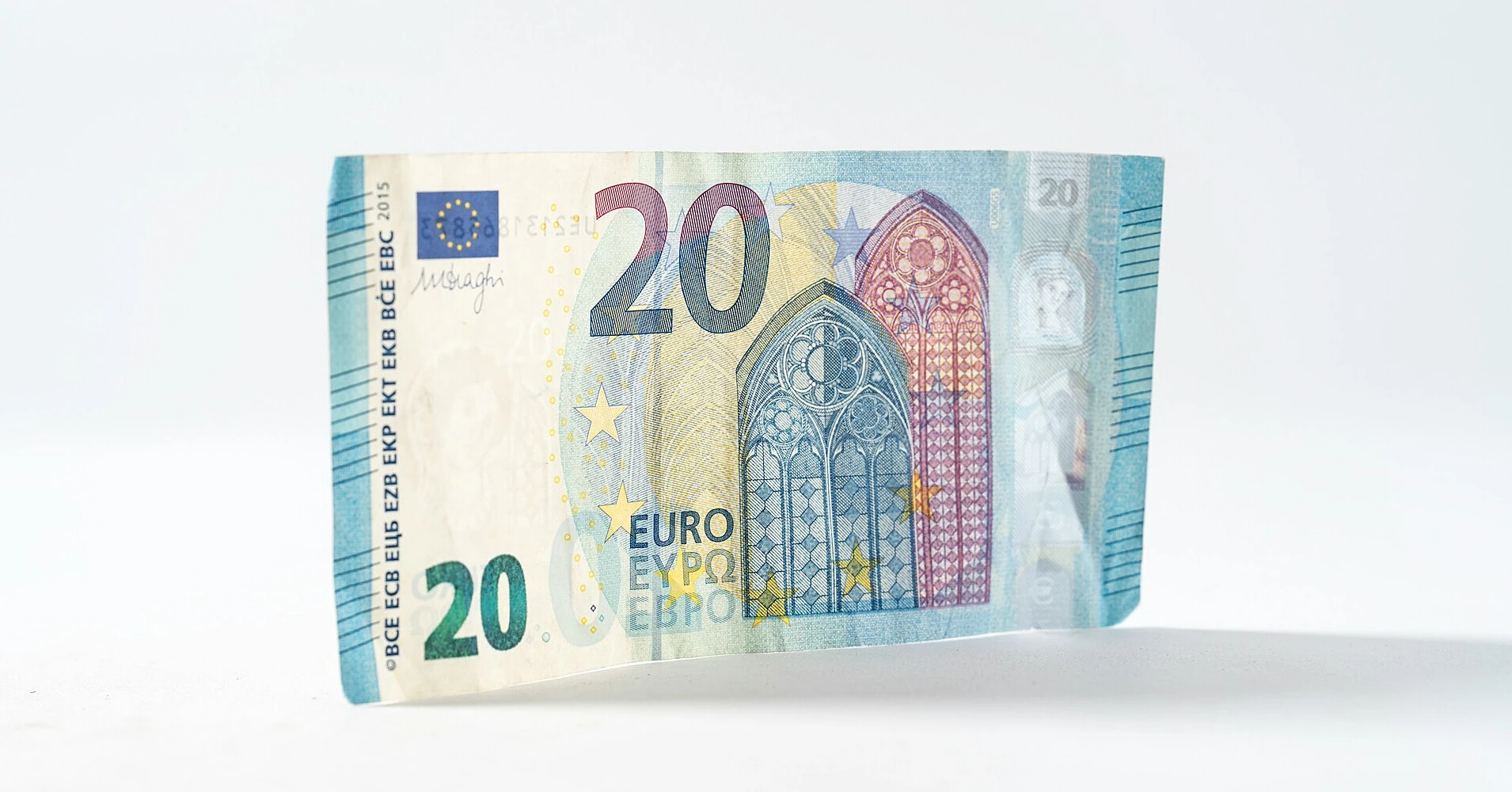
The euro starts the week on the FOREX market in anticipation of important political and economic events. Investor sentiment is influenced by mass protests in France and other European countries, as well as upcoming meetings of the U.S. Federal Reserve (Fed) and the European Central Bank (ECB). Regulators' interest rate decisions and comments from central bank heads may become the main factors in EUR/USD movement in the coming days.
Protests in Europe increase uncertainty
Last weekend, mass protest actions took place in France and other European countries. Such demonstrations attract the attention of currency investors because they can increase political uncertainty, affect consumer sentiment, and complicate economic reforms.
What matters for the euro is not so much the fact of the demonstrations, but their scale, the participants' demands, and potential consequences for government policy. If the protests turn into prolonged confrontation or lead to new political complications, it could increase investor caution regarding European assets.
At the same time, the impact of the protests on the euro exchange rate will not necessarily be long-lasting. The currency market continues to focus on the state of the eurozone economy, inflation, monetary policy prospects, and the interest rate differential between the United States and Europe.
According to European media reports, on Saturday, October 24, protests swept across France, Italy, Spain, Portugal, and Albania. The main reasons for discontent include rising cost of living, problems with housing affordability, pension policy, the state of public services, and corruption. In France, trade unions and protest organizers have already called for new demonstrations.
Fed and ECB meetings: main events of the week for the euro
Meetings of two major central banks will be the main factor for the currency market.
The U.S. Federal Reserve will hold a meeting on October 27–28. The rate decision is expected on Wednesday, October 28. Investors will evaluate not only the decision itself, but also the statements of Fed leadership regarding inflation, the state of the U.S. economy, and the future trajectory of monetary policy.
According to a Reuters poll published on October 20, a majority of economists surveyed expected the rate to remain in the range of 3.75–4.00%. There remains uncertainty about the regulator's further steps: persistent inflationary pressure may require tighter policy in the coming months.
The European Central Bank will hold a meeting on October 28–29. The rate decision will be announced on Thursday, October 29, at 14:15 Central European Time, with a press conference starting at 14:45.
The market mostly expects the ECB to keep the deposit rate at 2.50%. However, investors will carefully monitor assessments of inflation and risks to the eurozone economy, including due to rising energy prices and geopolitical tensions.
For the euro, the key factor will be the difference between Fed and ECB signals. If the American regulator takes a tougher stance than market participants expect, the dollar may receive additional support and the EUR/USD pair may come under pressure. If Fed statements prove softer, the euro could strengthen.
What to expect from the euro this week
At the start of Monday, October 26, the euro showed moderate gains. According to Reuters, EUR/USD added about 0.16% to reach 1.1226 dollars amid a slight weakening of the dollar. However, market participants preferred not to make large bets before the central bank decisions.
In the coming days, the euro's dynamics will depend on three main factors:
- Fed's decision. Tougher rhetoric from the American regulator could strengthen the dollar and limit EUR/USD gains.
- ECB's decision. Keeping the rate unchanged is unlikely to be a surprise in itself, so special attention will be paid to comments about future policy.
- Political situation in Europe. Continued mass protests and growing uncertainty may deteriorate investor sentiment, although the influence of this factor will depend on further developments.
