
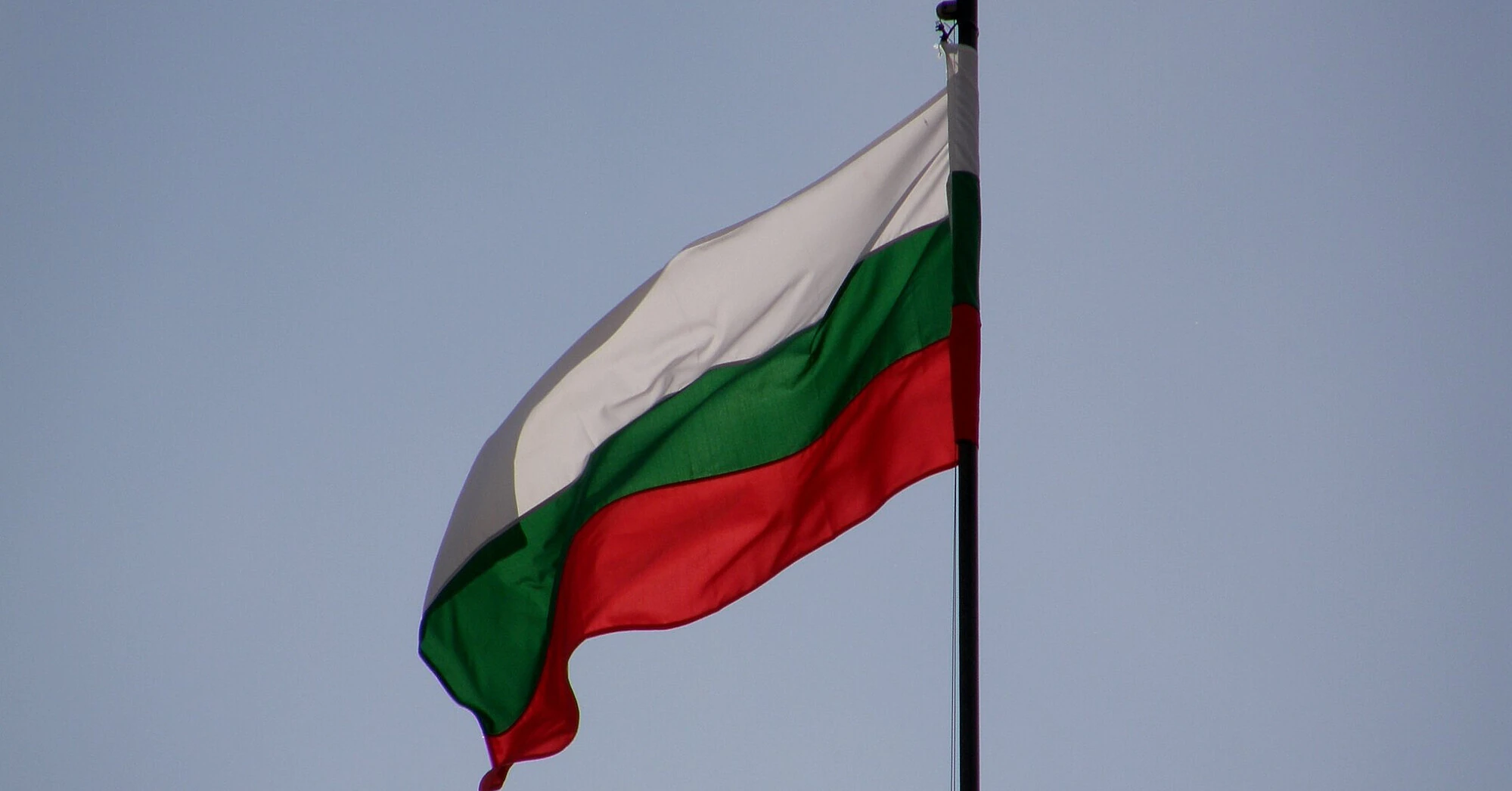
In Bulgaria, following the results of the first round of the presidential elections on October 25, the current head of state, Iliana Yotova, who advocates diplomatic dialogue with Russia, is leading. Her main rival in the second round will be former Prime Minister Andrei Gyurov, who previously signed a ten-year security cooperation agreement with Ukraine.
This is evidenced by data from the Central Election Commission of Bulgaria, published on the morning of October 26.
After processing 95.29% of protocols, Yotova is gaining 34.59% of the votes. Gyurov is in second place with a result of 32.03%. The difference between the candidates is about 37.5 thousand votes.
The third position is occupied by the leader of the nationalist party "Revival" Kostadin Kostadinov, who received 12.62% of the votes. He opposes EU sanctions against Russia and proposes restoring imports of Russian energy carriers.
Since no candidate received the majority necessary to win, a second round of presidential elections will take place on November 1. Yotova and Gyurov will compete in it.
Elections may affect Bulgaria's relations with Ukraine
Iliana Yotova represents the political direction of former President and current Prime Minister of Bulgaria Rumen Radev, who has repeatedly called for the restoration of diplomatic contacts with Moscow.
During the election campaign, Yotova advocated the creation of an international coalition focused on peace negotiations regarding Ukraine, as a counterweight to initiatives to expand military support for Kyiv.
In early October, she stated that Bulgaria should play a more active role in the diplomatic settlement of the war and have its own position on European security policy.
Instead, her rival Andrei Gyurov, while serving as interim prime minister, supported the expansion of cooperation with Ukraine in defense and energy sectors.
On March 30, 2026, Gyurov together with President of Ukraine Volodymyr Zelenskyy signed a ten-year security cooperation agreement.
The document provides for the continuation of Bulgarian military assistance to Ukraine, the development of joint production of drones and ammunition, as well as cooperation between defense enterprises of the two countries within the European SAFE program.
A separate area of the agreements concerns energy, in particular the development of the Vertical Gas Corridor, which is to provide additional routes for natural gas supplies to Ukraine through the countries of South-Eastern Europe.
Yotova then criticized the signing of the agreement, stating that the interim government should not assume such long-term obligations without proper coordination with the presidential institution.
The election outcome will determine political support for joint projects
For Ukraine, the results of the Bulgarian elections are important primarily with regard to the future of defense-industrial cooperation, energy routes, and security in the Black Sea region.
Bulgaria is a member of the European Union and NATO, and its position influences regional initiatives, particularly regarding energy infrastructure and joint defense programs.
At the same time, the President of Bulgaria does not directly manage the government's economic policy. Decisions regarding state funding, sanctions, and the implementation of industrial projects depend primarily on the government and parliament. However, the head of state represents the country internationally and can influence its foreign policy priorities.
Thus, the victory of one of the candidates may affect political support for Ukrainian-Bulgarian projects, although it does not automatically mean a revision of already concluded intergovernmental agreements.
The final results of the first round will be known after the counting of all votes is completed.
Based on materials from: Bulgarian National Television, BTA, BTA
