
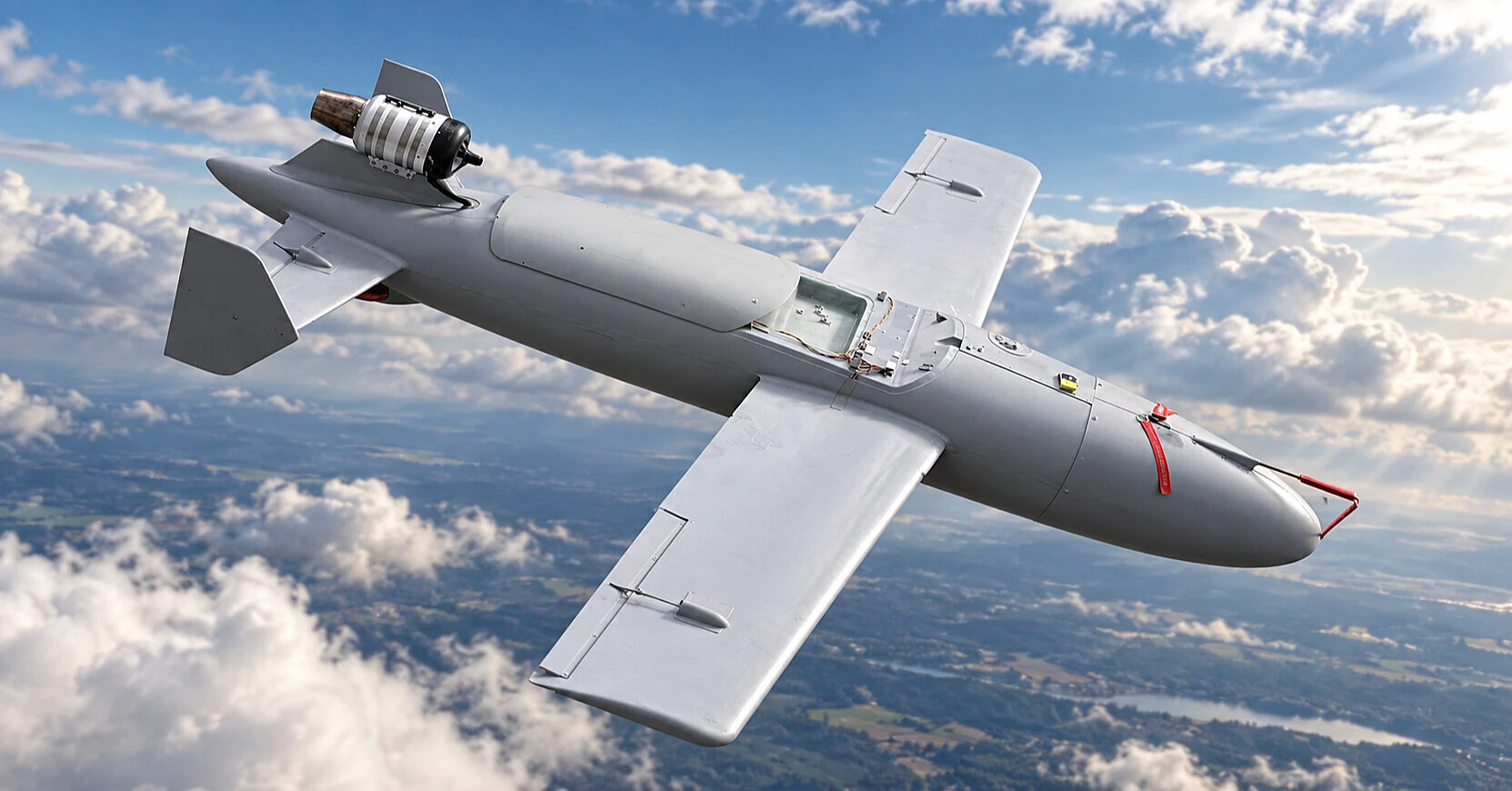
Germany plans to purchase Bars cruise missiles of Ukrainian development to arm the Bundeswehr. Initially, the German military is to test a small batch, after which Berlin may place a significantly larger order. This will be a new stage of cooperation between the defense enterprises of the two countries, which have already established joint production of Ukrainian missiles.
This was reported by Financial Times on October 26 with reference to sources familiar with the plans of the German authorities.
According to the publication, the agreement on the purchase of the first batch of Bars may be finally agreed within the coming weeks. The Bundeswehr plans to conduct technical tests in early 2027.
If the missiles meet the requirements of the German military, the next step could be an order for several hundred units. At the same time, there is no final contract for supply to the Bundeswehr yet, and its possible cost is not disclosed.
Ukrainian missiles are already produced in Germany
Bars is a Ukrainian development with a jet engine, the flight range of which, depending on the modification, can reach 1000 kilometers. According to Financial Times, the payload of certain versions is up to 105 kilograms.
In Ukraine this weapon is called a rocket-drone, while in Germany it is considered a relatively inexpensive cruise missile.
President Volodymyr Zelenskyy previously reported on the use of Bars for strikes on military facilities and energy infrastructure of Russia.
According to the researcher of the Norwegian Institute for Defence Studies Fabian Hoffmann, the advantage of the Ukrainian development is the significant experience of its combat use. This allows evaluating the characteristics of the system based on practical results, not just field tests.
Production of Bars is already established in Germany at a joint Ukrainian-German enterprise created within the Build with Ukraine program.
In October, Ukraine received the first batch of such missiles manufactured in Germany with German funds. Now this same enterprise may begin production for the Bundeswehr's own needs.
If the purchase takes place, it will be the first known case of the German army purchasing offensive weapons developed in Ukraine.
Germany seeks cheaper alternative to American missiles
Berlin's plans are related to the large-scale rearmament of the Bundeswehr and the need to quickly increase stockpiles of long-range weapons.
Germany has already agreed on the initial purchase of US Tomahawk cruise missiles, but their high cost and limited production capacity complicate rapid delivery.
According to estimates cited by Financial Times, one Tomahawk missile costs approximately $4-6 million. Therefore, the German authorities are simultaneously considering cheaper systems suitable for mass production.
In addition to the Ukrainian Bars, the Bundeswehr plans to test Anthem missiles from the American defense startup Covenant. Their cost is about one-tenth of the Tomahawk price.
One of FT's interlocutors claims that the Ukrainian Bars is even cheaper than Anthem. He did not name the exact price of the Ukrainian missile.
German military does not exclude the purchase of both systems, since inexpensive cruise missiles should complement more technological and expensive weapons.
Ukrainian defense companies gain prospects of entering NATO market
Initially, the Build with Ukraine program was aimed at increasing production of Ukrainian weapons abroad. This allows expanding capacity and reducing risks of enterprises being destroyed by Russian strikes.
However, cooperation is gradually going beyond the supply of weapons directly for Ukraine.
The purchase of Bars for the Bundeswehr may create a precedent when a Ukrainian development becomes part of a NATO state's arsenal, and Ukrainian manufacturers gain the opportunity to fulfill orders of foreign armies.
Similar interest in Ukrainian defense technologies is shown by other allies. In particular, Denmark purchased Ukrainian ground robotic systems Dropla for testing, and the U.S. Army signed a contract for the purchase of Raybird reconnaissance drones through the American division of the Ukrainian company Skyeton.
Thus, Ukrainian defense enterprises are gradually transitioning from producing exclusively for their own Armed Forces to potential participation in international rearmament programs.
Based on materials: Financial Times, The Kyiv Independent
