
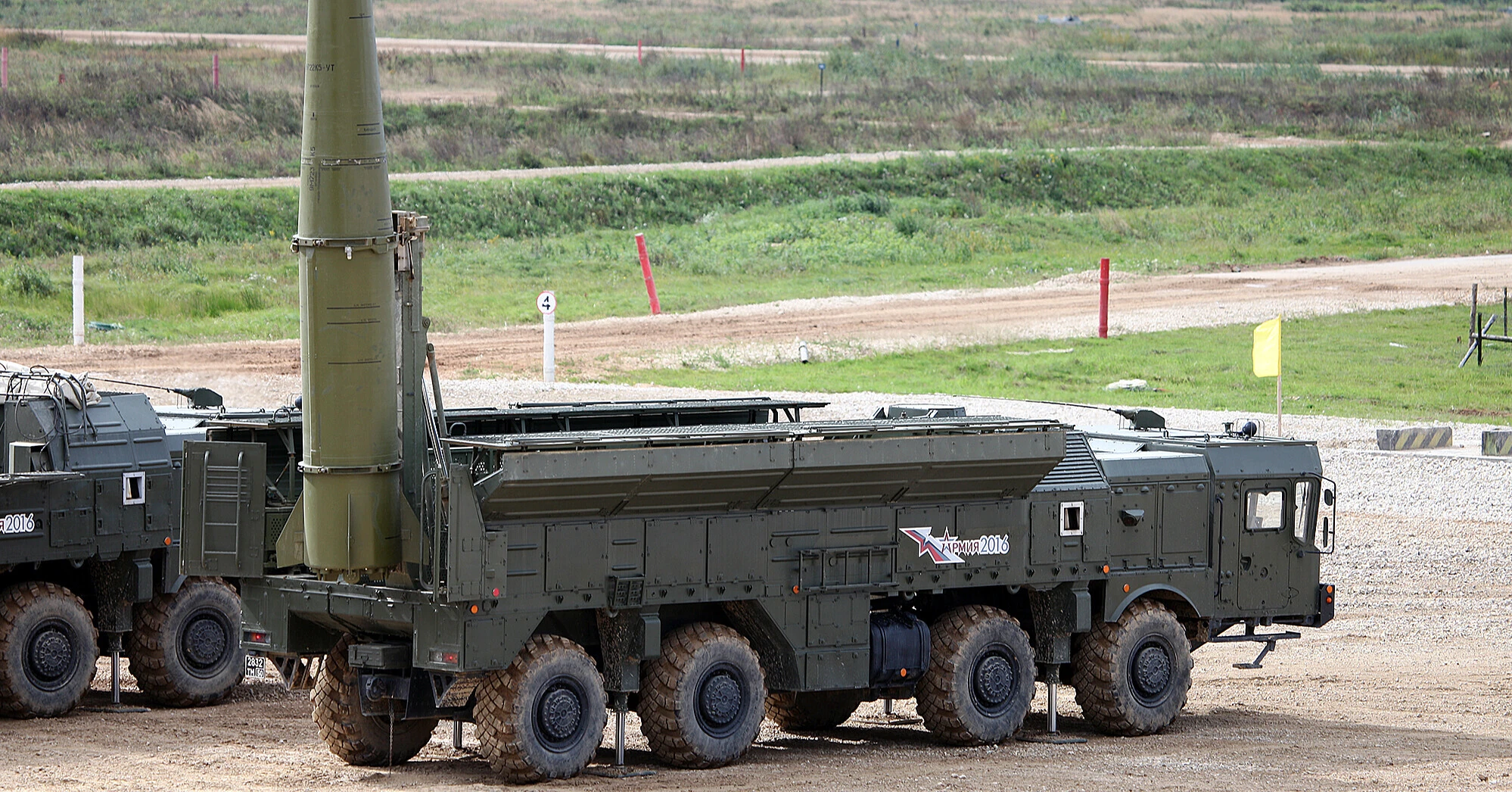
Over the past week, Russian forces have used about 80 missiles against Ukraine that attack along a ballistic trajectory. This intensity of strikes creates a significant burden on Ukrainian air defense, which is experiencing an acute shortage of interceptor missiles.
The corresponding statement was made by the head of the Communications Department of the Air Force Command of the Armed Forces of Ukraine, Yuriy Ignat, in an interview with RBC-Ukraine, published on October 26. This is reported by the authors of the publication Dmytro Oliynyk and Ulyana Bezpalko.
According to Ignat, during the three latest large-scale shellings, Russian forces used approximately 39, 16, and 23 missiles. Taking into account individual launches, the total number of such weapons over the week was about 80.
If Russia can maintain such intensity, the number of launches could exceed 300 missiles per month. At the same time, the Air Force representative doubts that the Russian army is capable of maintaining such a pace for long due to limited weapons stockpiles.
Thus, over 300 missiles per month is a conditional calculation based on the latest attacks, not actual statistics of Russian missile usage for October.
Shortage of anti-missiles complicates protection of critical infrastructure
Ignat noted that the available ammunition stocks for air defense are insufficient to guaranteed intercept all missiles that Russia uses during large-scale attacks.
In particular, during one of the latest shellings, when Russian forces used about 39 missiles, Ukrainian air defense was able to intercept only five.
The most difficult remains countering ballistic missiles, in particular those launched from Iskander-M systems, as well as other weapons that attack along a ballistic trajectory. The latter include, in particular, Tsirkon missiles and missiles that Russia uses from S-400 anti-aircraft systems.
To intercept such targets, Ukraine primarily needs PAC-2 and PAC-3 missiles for Patriot systems. Kyiv also counts on promising European SAMP/T NG systems and new modifications of IRIS-T with declared capabilities to counter ballistic threats.
However, increasing production of modern anti-missiles takes time. According to Ignat, European defense companies began to substantially increase appropriate capacities only after the start of the full-scale war.
The Air Force representative explained that Ukrainian leadership sometimes has to negotiate with partner countries about the transfer of literally a few missiles to cover individual facilities.
At the same time, states that have Patriot systems in service are forced to keep part of their stocks for their own air defense.
Risks to energy and industry
The high intensity of missile strikes along with the shortage of interception means increases risks to Ukrainian energy and industrial infrastructure.
Particularly dangerous are attacks on power plants, high-voltage substations, defense enterprises, and transport facilities, damage to which can cause prolonged interruptions in electricity supply and industry operation.
Earlier, the Main Intelligence Directorate of the Ministry of Defense reported that the Russian defense industry was fulfilling and exceeding production plans for main types of missiles. According to the assessment of the GUR, in autumn and winter Moscow will continue to focus strikes on Ukrainian energy and heat supply systems.
Ignat emphasized that countering massive attacks requires not only an increase in supplies of interceptor missiles, but also strengthening international sanctions against Russian defense production.
According to him, economic restrictions, in particular against the Russian oil and gas sector, can reduce the resources that Moscow directs to the manufacture of missiles and drones.
