
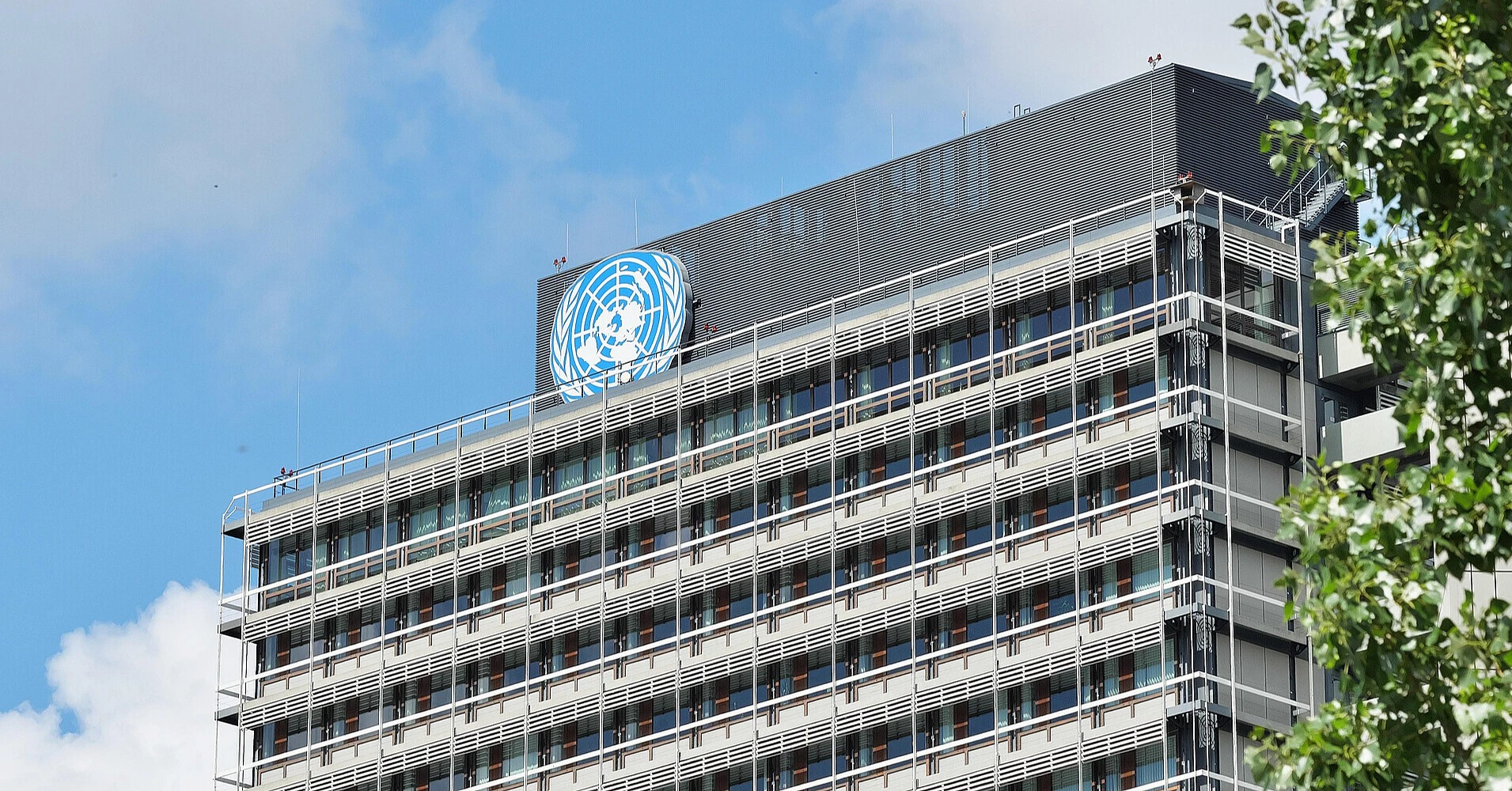
The Independent International Commission of Inquiry on Ukraine has concluded that systematic Russian strikes on energy infrastructure constitute war crimes and crimes against humanity. Investigators determined that the attacks were carried out deliberately as part of Russia’s state policy aimed at depriving the civilian population of vital services.
This is stated in the report of the UN Commission, presented on October 26 to the General Assembly. Details are also provided by CNN.
The Commission found that the Russian military command deliberately struck facilities providing heating, electricity, gas and water supply to Ukrainian cities. At the same time, Russian commanders understood that destroying such facilities is especially dangerous for civilians during winter.
Investigators studied the consequences of attacks on Ukraine’s energy system since autumn 2022, paying particular attention to the winter of 2025–2026.
According to the Commission, over the past years the intensity, frequency and geography of Russian strikes have increased significantly. Hundreds of missiles and drones were used simultaneously for massive attacks, leading to large-scale destruction of energy infrastructure.
Last winter, when air temperatures in Ukraine dropped to minus 21 degrees, millions of citizens were left without electricity, heating, water and gas for extended periods.
Prolonged stays in cold premises led to hypothermia, frostbite and other health problems. According to CNN, Ukrainian medical workers also documented deaths from exposure to low temperatures in residential buildings and medical facilities.
The consequences were especially severe for elderly people, people with disabilities and patients dependent on electrically powered medical equipment. Due to elevators stopping, some people could not leave their apartments even during air raid alerts.
To prepare the report, the Commission interviewed 255 people who experienced the energy crisis in Kyiv, Dnipro and seven regions of Ukraine. Additionally, information from Ukrainian state bodies, medical workers and non-governmental organizations was used.
The collected evidence allowed investigators to conclude that attacks on energy infrastructure were carried out in accordance with Russia’s state policy, the aim of which was to cause suffering to the civilian population.
The Commission qualified deliberate strikes on civilian objects as war crimes, and the systematic deprivation of the population of vital services as crimes against humanity in the form of other inhumane acts.
The report also examines the responsibility of the Russian leadership. According to CNN, the Commission pointed to statements by Vladimir Putin regarding attacks on Ukrainian energy infrastructure, as well as the role of the Russian military command in planning and conducting these operations.
In particular, the document mentions former Russian Defense Minister Sergei Shoigu, current Minister Andrei Belousov and Chief of the General Staff Valery Gerasimov.
The Commission’s findings represent the results of an international investigation, not a judicial verdict on specific individuals.
Commission Chair Erik Møse warned that as the next winter approaches, Russian attacks on Ukrainian energy infrastructure have intensified again, creating a serious threat to the life and health of citizens.
In addition to strikes on infrastructure, investigators examined the practice of recruiting foreigners into the Russian army. The Commission found compelling evidence of human trafficking in the recruitment of citizens from 29 countries.
According to its data, intermediaries promised foreigners high-paying civilian jobs in Russia, arranged visas and organized travel. After arrival, people were forced to sign contracts with the Russian Ministry of Defense in Russian and were sent to the front.
Some recruits had their passports and phones confiscated, and promised payments were taken by intermediaries or military commanders. Some foreigners died, went missing or ended up in Ukrainian captivity.
The Commission called on Russia to stop attacks on civilians and civilian objects, and also to release from military service those who became victims of human trafficking.
During the investigation, the Commission also examined Ukrainian strikes on energy facilities on the territory of Russia and occupied territories. However, it was not possible to fully study their consequences due to lack of access and lack of responses from Russian authorities to investigators’ requests.
