
Global oil prices continued to decline on Tuesday, October 27, amid intensifying diplomatic negotiations regarding the war between the US and Iran. Investors hope that the talks in Tehran will help prevent a new escalation of the conflict in the Middle East. At the same time, attacks on Saudi Arabia and risks to maritime shipping restrain the fall in quotations.
This is reported by Bloomberg and The Wall Street Journal.
During trading on October 27, Brent oil futures fell by 0.8% - to $114.93 per barrel. American West Texas Intermediate (WTI) fell by 0.9% - to $100.90 per barrel.
On the previous day, Brent closed at $115.81, losing about 0.8%. WTI fell by 1.46% - to $101.76 per barrel. Thus, both benchmark crude grades continued to retreat from six-month highs reached last week.
The main reason for the price decline was the intensification of negotiations between Iran and several influential states in the region. On Monday, October 26, senior officials from Saudi Arabia, Turkey, and Pakistan arrived in Tehran for talks with the Iranian leadership.
According to the Iranian agency IRIB, the meeting participants agreed to continue consultations on regional security and prevention of further military escalation.
The talks became an important signal for the oil market, as Saudi Arabia remains one of the world's largest oil exporters, and hostilities in the Middle East pose a threat to the production and transportation of energy resources.
Additional hopes for de-escalation are linked with Oman's diplomatic efforts. According to The Wall Street Journal, the country's authorities reported preliminary groundwork for the temporary restoration of free navigation through the Strait of Hormuz. However, a final agreement between the US and Iran does not yet exist.
Despite diplomatic shifts, the threat of new oil supply disruptions remains high. Iranian-backed Yemeni Houthis continue to attack facilities in Saudi Arabia. The coalition led by the kingdom reported intercepting drones and missiles aimed at its territory.
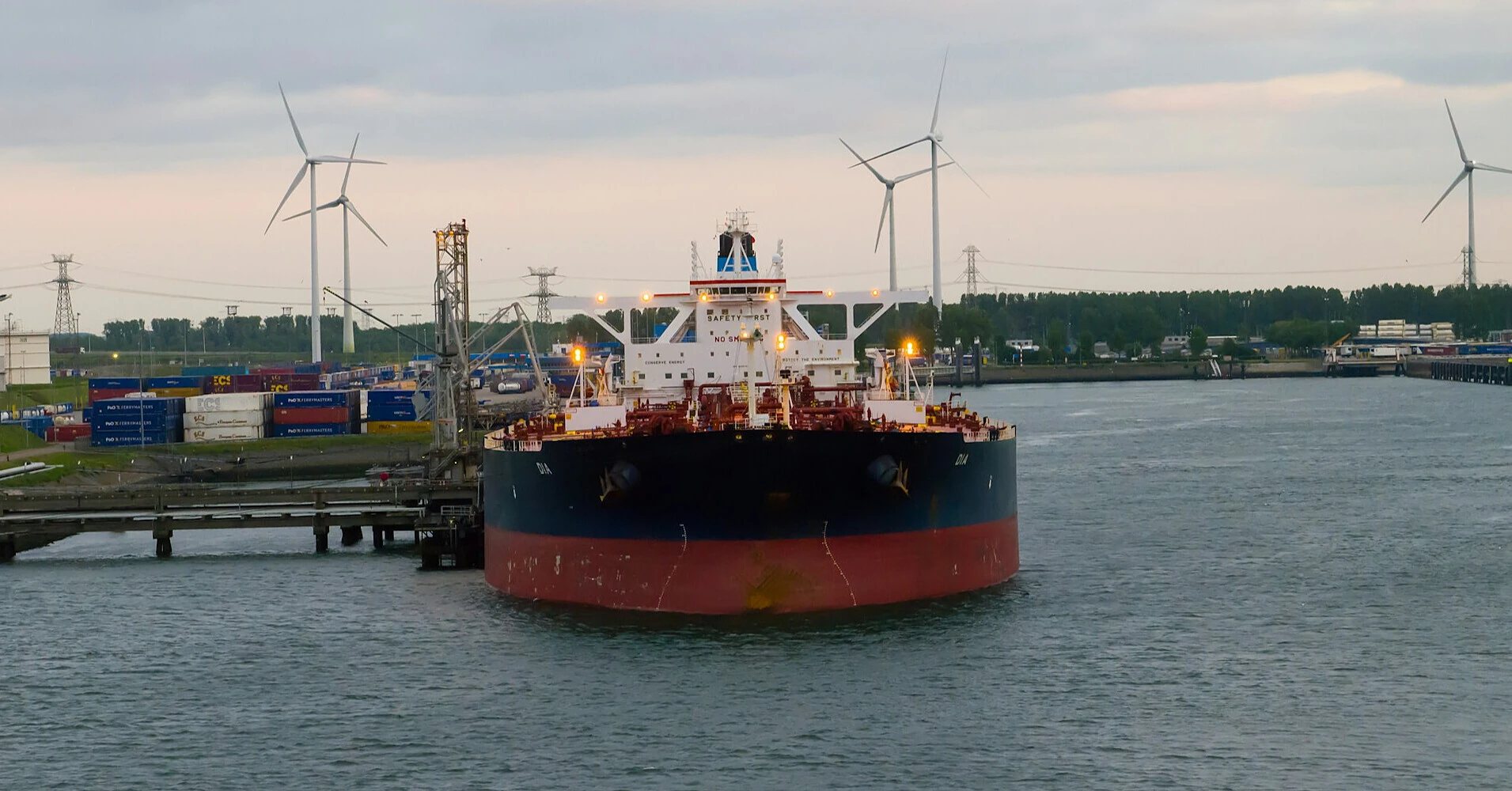
Another concern is the safety of tanker shipping. Although the volume of oil transportation from the Persian Gulf countries has gradually returned to approximately pre-war levels, the cost of maritime logistics remains elevated due to military risks.
This means that even if exchange quotations decline, the final cost of oil for importers may remain high due to freight costs, ship insurance, and transportation organization.
Market participants are also monitoring political events that could influence the further development of the conflict. On October 27, parliamentary elections are taking place in Israel, and on November 3, midterm elections to the US Congress are scheduled.
In addition, on Tuesday Russian President Vladimir Putin is to meet with Iranian President Masoud Pezeshkian and the Emir of Qatar Sheikh Tamim bin Hamad Al Thani on the sidelines of an energy summit in Moscow.
According to market participants, the further dynamics of oil prices will largely depend on the results of diplomatic negotiations and the security of supplies from the Middle East. A resumption of large-scale hostilities or new attacks on oil infrastructure could again heighten fears of a raw material shortage and cause quotations to rise.
Based on materials from: Bloomberg, The Wall Street Journal
