
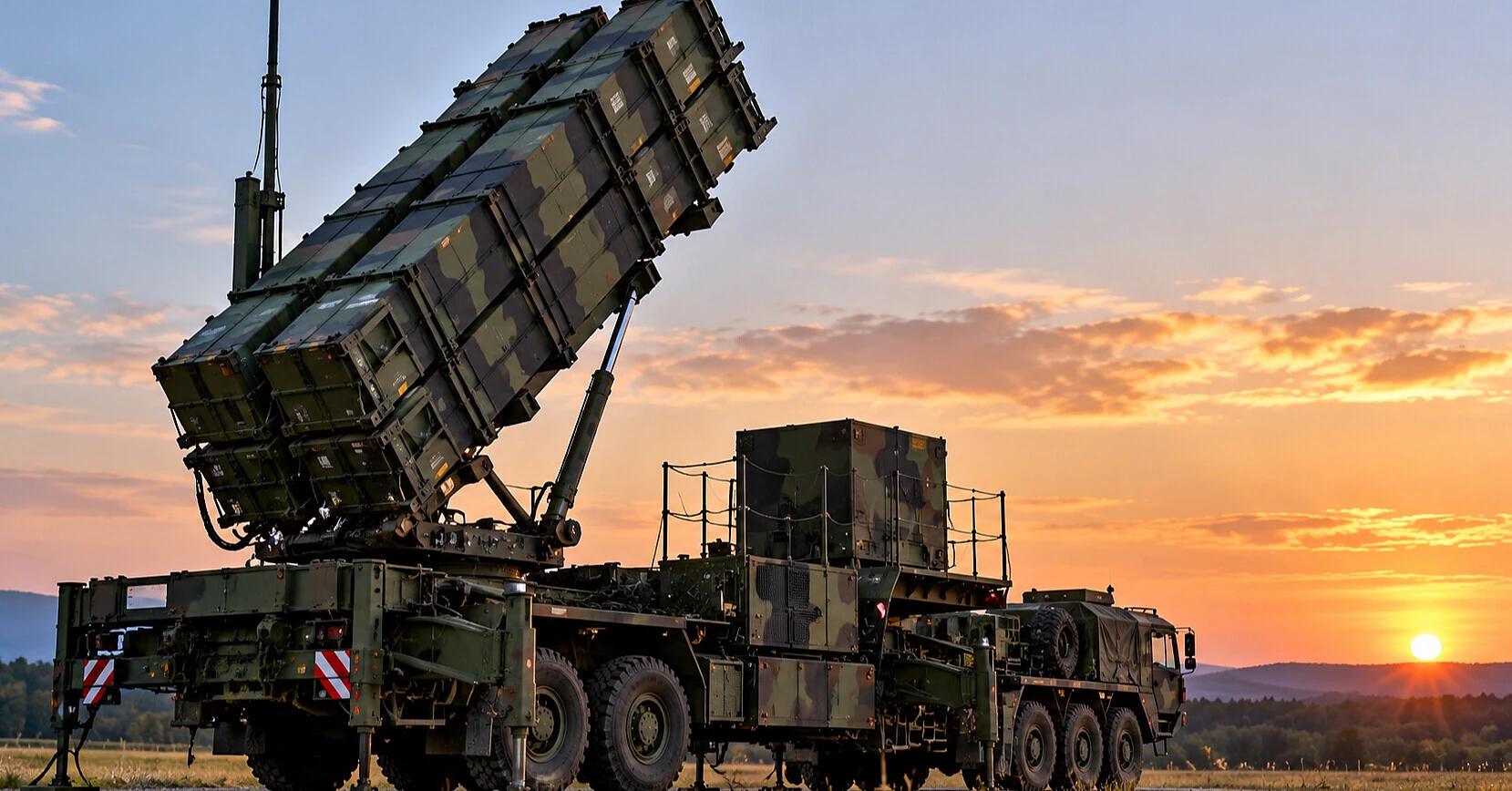
Approval for the sale of missiles for Ukrainian air defense does not mean they will arrive soon. According to Volodymyr Zelensky, deliveries may begin only in several years. The president is asking partners to transfer interceptors from existing stocks as early as winter 2026–2027.
Ukrainian President Volodymyr Zelensky welcomed the US decision to allow the purchase of 500 PAC-3 interceptor missiles for Patriot systems, but noted the problem with timing. This is stated in his address published on the night of October 31.
According to the president, such a package could significantly strengthen defense this winter, but deliveries may begin only in several years. Kyiv is asking the American side to find a solution that would allow receiving the missiles when they are needed to repel Russian attacks.
Ukraine asks for 100 interceptors per month
Zelensky said Ukraine asked the US to provide a winter support package at the rate of 100 interceptor missiles for Patriot monthly. This is the volume of requested assistance, not an agreed delivery schedule.
The president linked the need to accelerate missile transfers to Russian strikes on energy and life support infrastructure. According to him, over the last two weeks of October, Russia carried out more than 30 strikes on important elements of Ukraine's energy grid. Electricity, heating, and water supply in cities are under threat.
Missiles from stockpiles now, restocking later
Kyiv's proposal is to transfer already produced interceptors from US, European, and other partners' arsenals to Ukraine. These countries could then restore their own stocks through new production in subsequent years.
According to Zelensky, partners have sufficient PAC-3 stocks for such a solution. However, in the address he did not report any agreement on their transfer this winter: it is about Ukraine's request.
What exactly the US approved
On October 30, the US State Department approved the possible sale to Ukraine of 500 PAC-3 MSE missiles for Patriot systems and related equipment estimated at $2.1 billion. Funding is to be provided by Ukraine's partners.
Approval of a possible sale and actual arrival of missiles are different stages. The approval itself does not confirm that all interceptors are ready for shipment or will be transferred in the coming months.
Thus, the main question after the American decision is timing. Ukraine asks to use existing stocks for defense this winter, while new missiles are being produced for later replenishment of partners' arsenals.
