
U.S. Remains Dependent on Russian Uranium Ahead of Full Import Ban
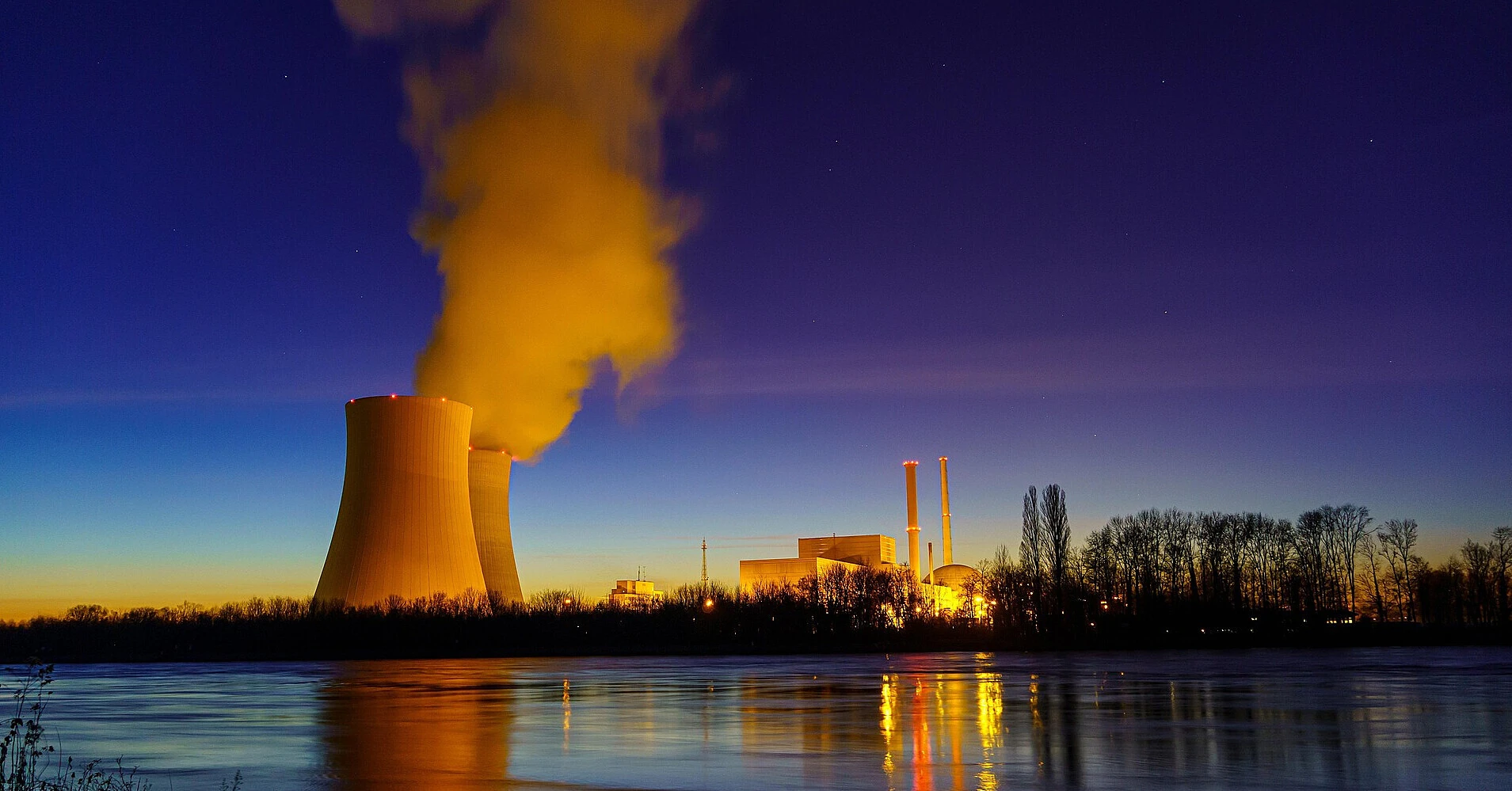
The U.S. nuclear energy sector remains dependent on supplies of Russian enriched uranium, despite an ongoing ban and the approaching deadline after which fuel imports from Russia are to be completely halted. Bloomberg reports.
The U.S. imposed a ban on imports of Russian low-enriched uranium back in August 2024. However, the Department of Energy has the authority to temporarily permit individual shipments if U.S. nuclear power plants have no available alternative or if imports serve the national interest.
Such exemptions allow U.S. energy companies to continue purchasing Russian nuclear fuel during the transition period. All permits must expire no later than January 1, 2028, after which supplies of Russian low-enriched uranium will be banned without exceptions.
Dependence persists due to Russia's significant role in the global uranium enrichment system. According to estimates from the U.S. Department of Energy, Russian facilities control about 44% of the world's capacity in this field. Prior to the restrictions, Russian fuel accounted for roughly 20–25% of the enriched uranium consumed by U.S. nuclear power plants.
Even after the ban, Russia supplied about one-fifth of the enriched uranium used by U.S. reactors in 2024. Continued imports were made possible by exemptions granted by authorities to prevent disruptions in plant operations.
Russia's state-owned corporation Rosatom and its export arm Tenex play a key role in supplies. The company had contracts for many years with major operators of U.S. nuclear plants, including Constellation Energy, Duke Energy, and Dominion Energy.
Following the law's passage, Tenex notified U.S. clients about possible force majeure circumstances and the need to obtain permits for continued imports. The Russian company considered resuming supplies to companies that received corresponding exemptions from the U.S. Department of Energy.
The United States is trying to rebuild its own nuclear fuel production chain, but creating uranium enrichment capacity requires significant investment and several years. The Department of Energy has signed contracts with six companies and plans to allocate about $2.7 billion for the development of low-enriched and high-assay low-enriched uranium production.
However, existing U.S. capacity is insufficient to meet demand. America's nuclear industry needs about 15.6 million separative work units per year, while domestic capacity stands at about 4.3 million. New large-scale production lines may only appear closer to the end of the decade.
The situation is complicated by expected growth in demand for electricity. The U.S. plans to extend the operating lives of existing nuclear plants, recommission previously shut-down reactors, and develop new nuclear projects to power data centers and other large consumers.
Experts warn that ending Russian supplies in 2028 could create a fuel deficit unless Western companies manage to ramp up enrichment capacity. Meanwhile, construction of such facilities is a complex and lengthy process, and Russia remains a key player in the global market.
The U.S. law provides for the ban on imports of Russian uranium through 2040. Washington expects that the transition period will allow energy companies to contract with suppliers from the U.S. and allied countries, preventing nuclear reactor outages.
Sources: Bloomberg, U.S. Department of Energy
