
Without frightening drilling, anesthetic injections, and tears: how a new method painlessly stops childhood tooth decay
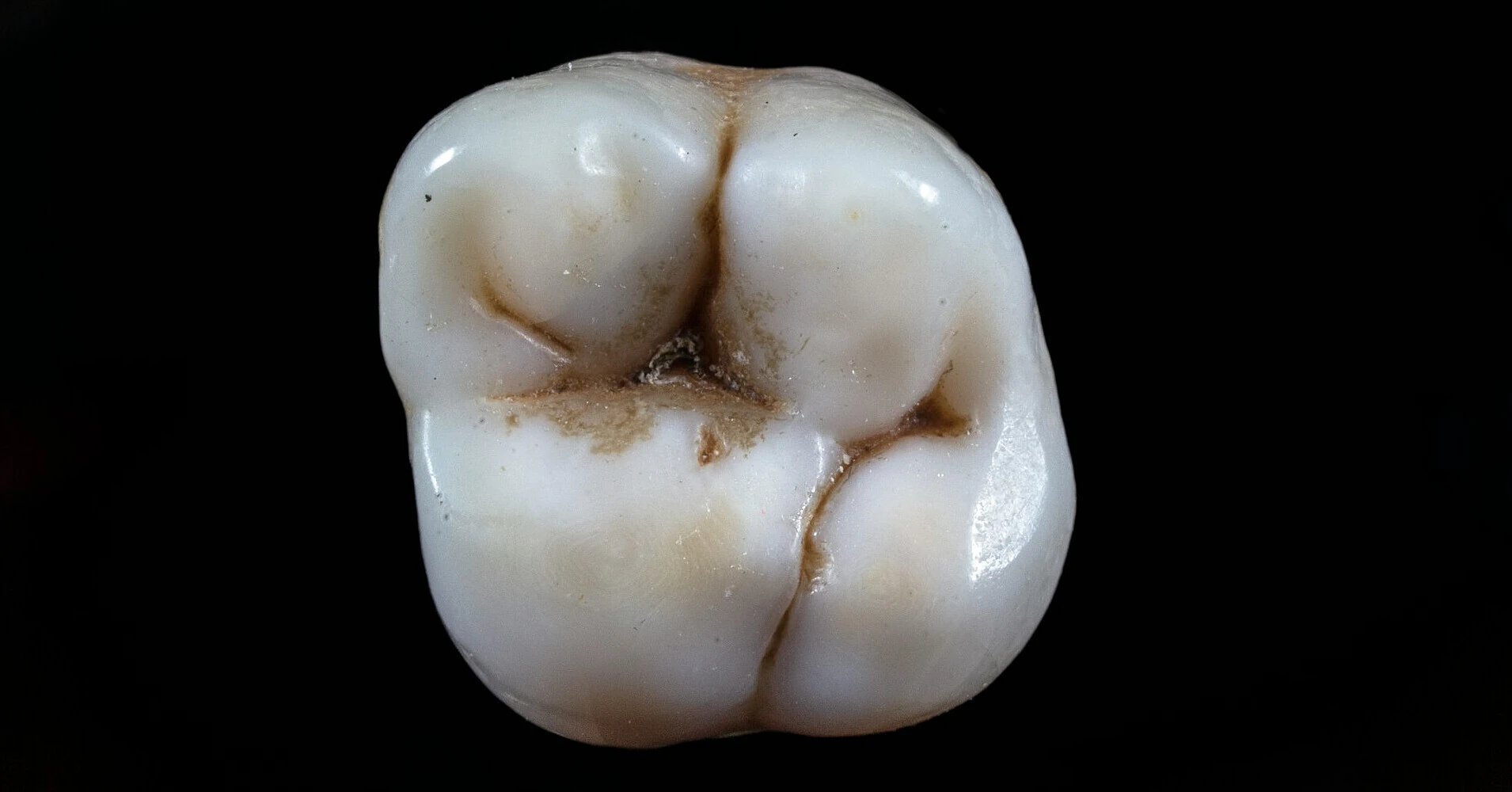
Instead of frightening drilling, anesthetic injections, and tears, dentists can use a special liquid treatment / illustrative / Ozkan Guner (Unsplash)
A large clinical trial has proven that the development of childhood tooth decay can be stopped in just a few seconds. Instead of frightening drilling, anesthetic injections, and tears, dentists can use a special liquid treatment. However, this innovative approach has one significant aesthetic drawback.
Main points about the study:
- Impressive result: The treatment stopped tooth decay in 54% of cases six months after the first application (in the placebo group — only 22.5%).
- Scale: The trial involved 830 toddlers aged 1 to 6 years with severe early childhood caries.
- Active ingredient: 38% silver diamine fluoride (SDF) solution.
How does the "cure for tooth decay" work?
The procedure is as simple and comfortable as possible for the child: the doctor only cleans and dries the sick tooth, and then applies a drop of the solution directly to the damaged cavity. No removal of tissue with a dental drill is required. If the decay is active, the destroyed dentin remains soft. After successful treatment with the SDF solution, the affected tissue completely hardens, and the destruction process stops.
This approach is a real salvation for small children who find it difficult to sit in the chair, as well as for patients with a severe fear of dentists or with disabilities.
The main downside — black spots
Despite the obvious advantages, the method has a serious cosmetic nuance. The silver included in the drug irreversibly stains the area affected by decay black. Healthy enamel does not darken, but on the front teeth, the visual defect will be very noticeable.
In addition, dentists warn:
- The solution does not restore the already lost part of the tooth (it does not replace a filling if a piece of the tooth has chipped off).
- The drug stops the destruction but does not have a separate analgesic effect.
- The decision to use the method should be made by a doctor, having assessed the depth of the lesion and the condition of the pulp.
Silver diamine fluoride has been used in dentistry in various countries for several decades, but in the US it was officially approved only to reduce tooth sensitivity. The authors of the study, published in the authoritative journal JAMA Pediatrics, hope that their results will help the drug gain official status as a treatment for tooth decay.
Based on materials from: JAMA Pediatrics, National Institute of Dental and Craniofacial Research (USA), ScienceDaily
