
Prosecutor's Office reveals scale of drone attacks on civilians
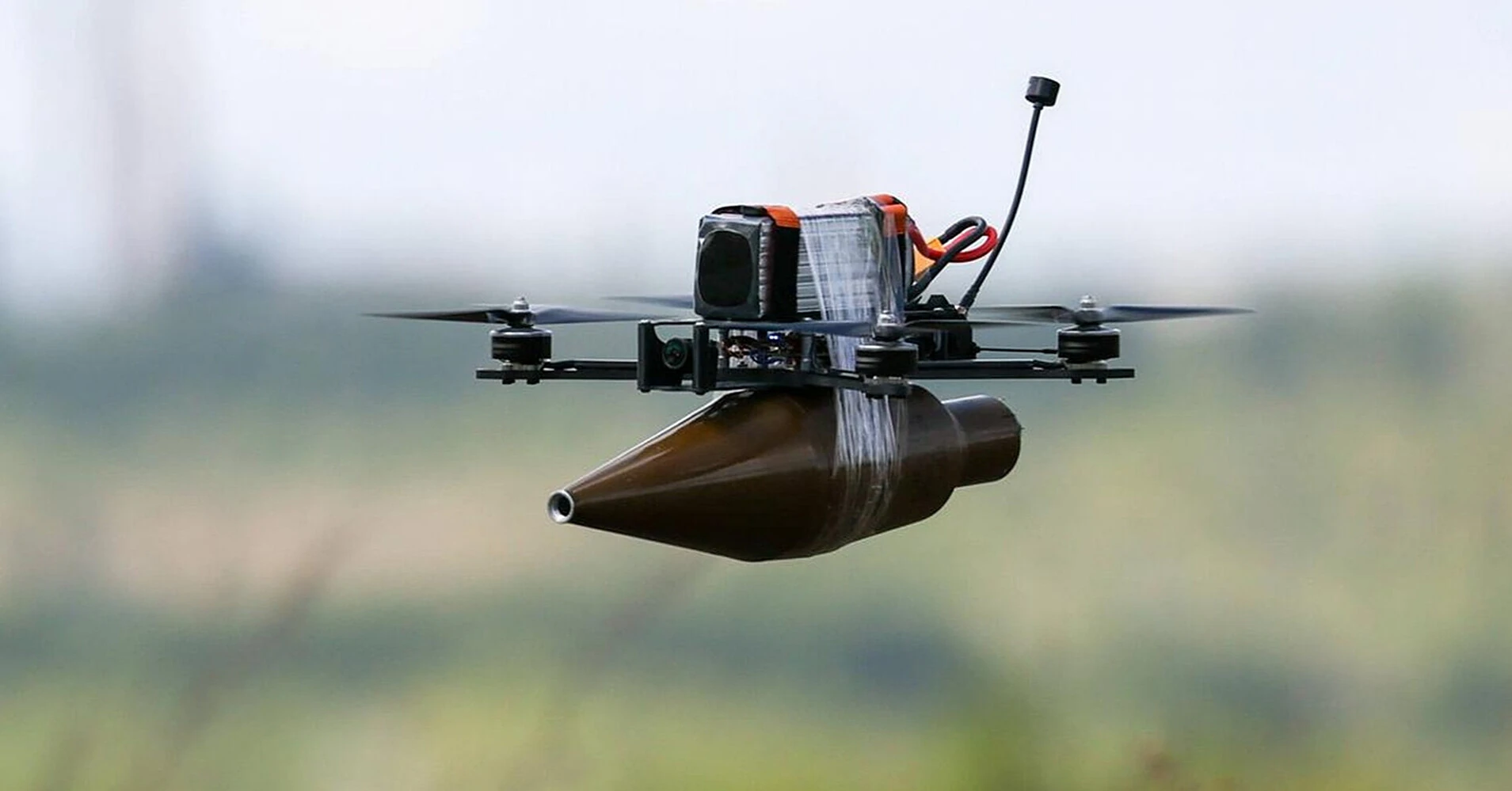
Since the beginning of the full-scale invasion, over 16,000 criminal proceedings have been opened in Ukraine regarding short-range drone attacks on the civilian population. This was announced on August 4 by the Office of the Prosecutor General.
According to the agency, nearly 7,000 people have been injured as a result of such strikes, including 179 children. 967 civilians were killed, including 10 children.
The number of documented attacks has increased sharply in recent years. In 2022–2023, law enforcement registered 187 such crimes. In 2024, their number increased 14-fold, to 2,685, and in 2025 it reached 7,787.
Since the beginning of 2026, the Prosecutor's Office has already recorded 2,614 attacks of small drones on civilians. The largest number of such crimes was registered in Kherson, Donetsk, Dnipropetrovsk, and Sumy regions.
Medical workers, rescue workers, police officers, journalists, utility workers, and employees of humanitarian organizations are becoming specific targets of Russian drone operators.
In addition, law enforcement documented 43 cases of double-tap strikes. After the initial attack, Russian operators waited for people providing assistance to the victims to arrive, and then directed another drone at them.
The reason for publishing the statistics was an attack on a 52-year-old vendor at a market in Kherson. According to the Prosecutor's Office, a Russian drone circled above the man and then purposefully struck him. The victim suffered a blast injury, concussion, and shrapnel wounds.
The Kherson regional Prosecutor's Office initiated a pre-trial investigation into the fact of a war crime. Law enforcement is identifying the drone operator, his unit, and the entire command staff involved in organizing the attack.
The Office of the Prosecutor General emphasized that information about each such strike is being documented. In a number of criminal proceedings, the identities of possible perpetrators have already been established.
Based on materials from: Office of the Prosecutor General
