
FISU noticed signs of Russia preparing for a new mobilization
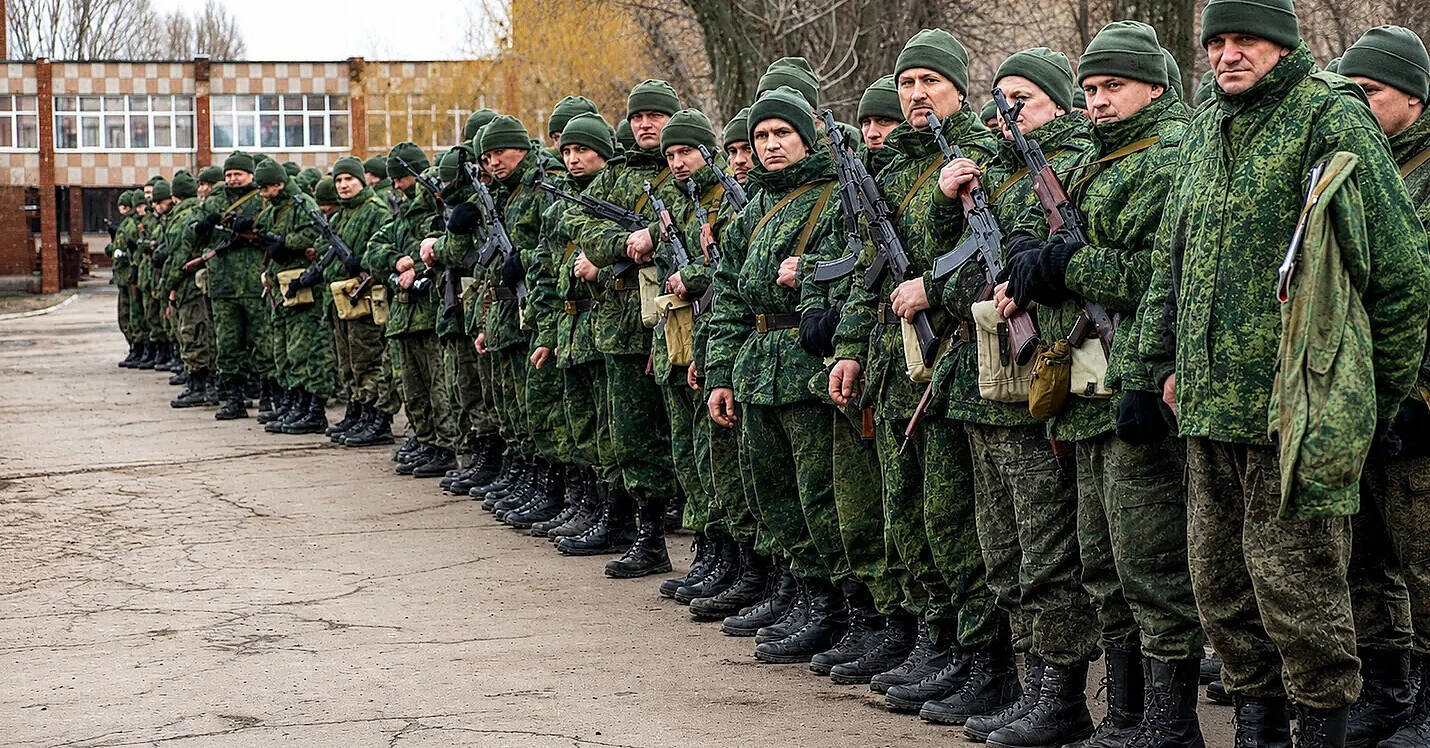
More and more signs of increased mobilization readiness are emerging in Russia amid a slowdown in the recruitment of contract soldiers. At the same time, preparations for an immediate mass call-up of reservists have not yet been recorded, the Foreign Intelligence Service of Ukraine reported.
According to official statements by Deputy Chairman of the Russian Security Council Dmitry Medvedev, about 200,000 people signed contracts with the Russian Ministry of Defense in January–June 2026. Another 16,000 joined volunteer formations.
A year earlier, for the same period, Russian authorities reported more than 210,000 contract soldiers and 18,000 volunteers. Thus, even official figures indicate a 5–11% decline in recruitment.
According to an estimate by researcher Janis Kluge of the German Institute for International and Security Affairs, by early 2026, actual recruitment rates could have dropped by about 20% compared to the same period last year.
At the same time, the number of vacancies related to military registration has sharply increased in Russia. According to intelligence data, at the end of July, the HeadHunter platform had more than 2,500 such listings, almost a third of which appeared within a single week.
Specialists in military registration are being sought in Moscow, St. Petersburg, Samara, Nizhny Novgorod, Belgorod, Kazan, Ufa, Krasnodar, Rostov-on-Don, Yekaterinburg, and Khabarovsk. Among the employers are Roscosmos, Russian Post, and Rostelecom.
In addition, Moscow Region Governor Andrey Vorobyov expanded the powers of the regional headquarters, which must act in the event of mobilization or the imposition of martial law. According to FISU information, Russian regions are also advised to prepare labor migrants in advance to replace workers who may be drafted into the army.
Meanwhile, anxiety is growing in Russian society. In July, the number of searches for mobilization on the Yandex search engine reached 1.2 million. The share of Russians characterizing others' mood as anxious increased from 53% to 57% in a week.
Intelligence officials emphasized that there are currently no signs of immediate preparation for large-scale mobilization. The volume of purchases of medical supplies and military equipment remains at roughly last year's levels.
According to FISU estimates, until the parliamentary elections, the Russian authorities will most likely avoid announcing a new wave of mobilization. Moscow can compensate for the shortage of personnel by increasing payments, putting pressure on employers, and redeploying servicemen between units.
Based on materials from: Foreign Intelligence Service of Ukraine
