
The US spent 80% of its THAAD interceptor missiles and nearly all ATACMS
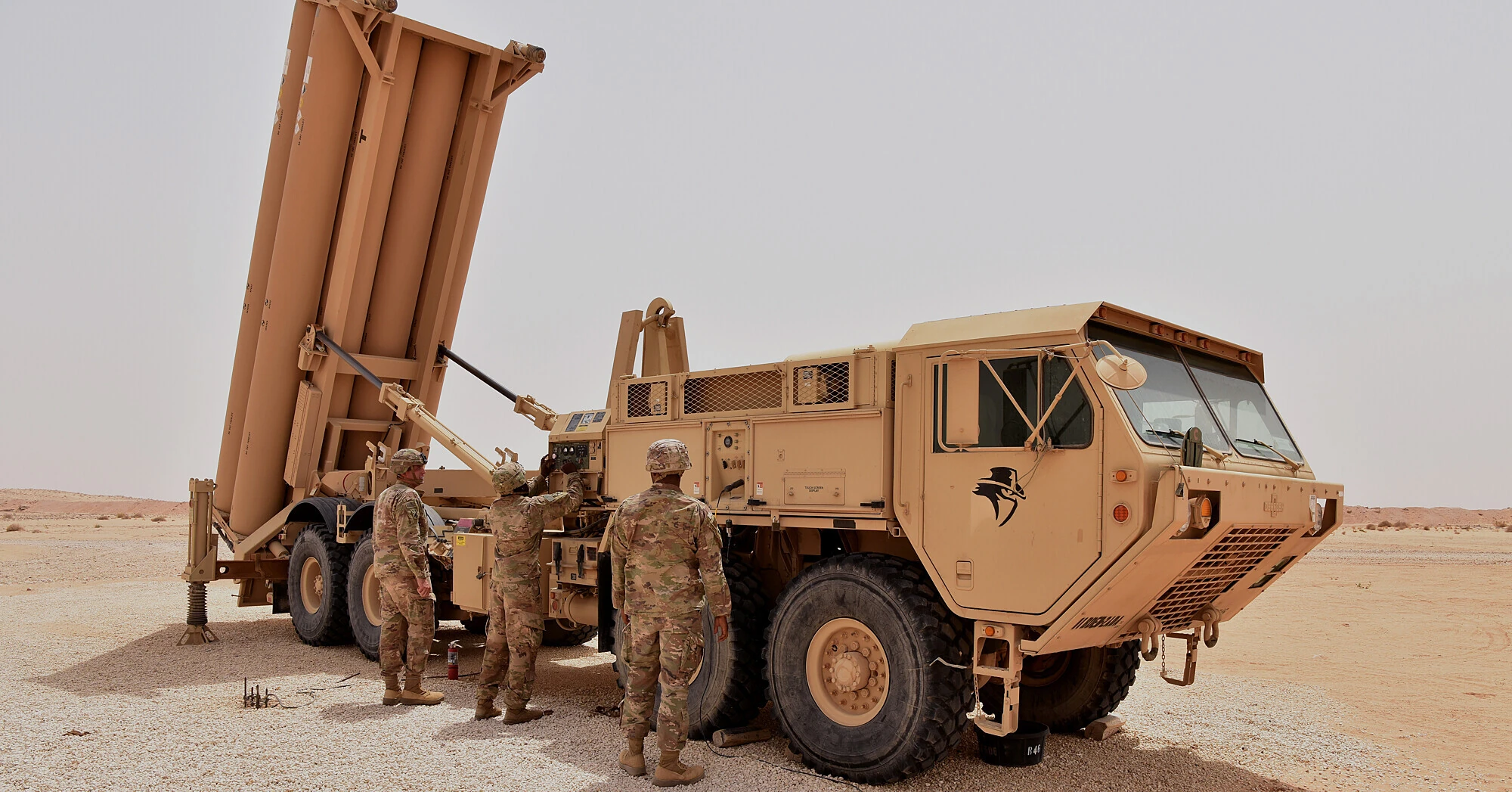
The US military has spent nearly 80% of its THAAD interceptor missiles and about half of its Patriot missiles since the start of the war with Iran. At the same time, the US Army has used virtually all available long-range ATACMS and PrSM missiles, while the stock of Tomahawk cruise missiles has been reduced by almost half. Meanwhile, Pentagon chief Pete Hegseth refuted this information and criticized the media.
This was reported by CNN, citing several sources familiar with the latest Pentagon internal reports. According to them, senior American commanders are warning that stocks of key munitions have dropped to dangerously low levels.
The stocks of missile defense systems have decreased the most. According to estimates by the Center for Strategic and International Studies, before the war the US had approximately 452 THAAD missiles and about 2,200 interceptors of the two most modern Patriot modifications.
THAAD is primarily designed to intercept ballistic missiles at high altitude and long range. Patriot can destroy ballistic and cruise missiles, aircraft and other aerial targets. During the conflict, these systems were used to protect American troops and allies from Iranian strikes.
Stocks of strike weapons have also severely shrunk. According to CNN sources, the US Army has used "virtually all" available ATACMS and Precision Strike Missiles. ATACMS is a high-precision ground-launched missile for strikes on command posts, air defense systems, depots and logistics facilities. The newer PrSM is gradually replacing ATACMS and has a longer range.
Stocks of Tomahawk naval cruise missiles also remain significantly depleted: since the start of the war, the US may have used almost half of the available missiles. Back in April, CNN estimated the expenditure at around 30% of the stock. Tomahawks are launched from ships and submarines for long-range strikes on ground targets.
The material also mentions the Joint Air-to-Surface Standoff Missile, or JASSM. They are launched from aircraft outside the range of most air defense systems. The exact proportion of JASSMs spent is not disclosed by the sources, but analysts expect that the stocks of these missiles and PrSM will be able to return to pre-war levels only by the middle or second half of 2027.
Replenishment of air defense missile stocks will take longer. According to the current schedule, the Pentagon receives approximately 20 new Patriot missiles and 15 Tomahawks per month. Restoring the number of THAAD to pre-war levels could take at least three years.
The shortage of interceptors is also causing concern among the Gulf states that use American air defense systems. US allies fear that in the event of a new escalation, they will not have enough missiles to defend against possible Iranian strikes on cities and energy infrastructure.
According to CNN, the issue of shrinking stocks became one of the factors discussed before Donald Trump's decision to forgo new large-scale strikes on Iran the past weekend. Among other risks cited were possible mass civilian casualties and retaliatory strikes on US allies' energy facilities.
The White House and the Pentagon deny that ammunition shortages are limiting the US military's capabilities. Administration officials claim that the military has a sufficient arsenal to carry out assigned tasks, and that defense companies are expanding missile and rocket engine production.
At the same time, analysts warn that fully replenishing stocks of high-tech munitions could take years. This could complicate US preparedness for possible simultaneous crises or conflicts involving China, Russia or North Korea.
Hegseth denied data on missile stock depletion
Following reports of shrinking US missile stocks, Pentagon chief Pete Hegseth refuted claims that the US had used about 80% of available interceptor missiles for THAAD systems.
Hegseth posted on social media network X a frame from a CNN broadcast with the corresponding caption and said the data presented by the channel was not true. He also criticized the media for spreading inaccurate information.
That banner is NOT TRUE, @CNN. Shame on you.
— Pete Hegseth (@PeteHegseth) August 4, 2026
We don’t hate the Fake News media enough. pic.twitter.com/QCwEoykQZR
However, the head of the Pentagon did not provide alternative data on the number of missiles used or the current US military stockpiles.
Hegseth's denial specifically addressed CNN's claim about the expenditure of 80% of THAAD stocks. It does not allow confirmation or refutation of the data reported in other messages about the launch of around 80 interceptor missiles and the near-total use of ATACMS stocks.
Earlier, US administration officials also assured that the American military has enough weaponry to accomplish its tasks. However, media outlets and expert assessments have repeatedly reported significant depletion of THAAD, Patriot and other missiles due to combat operations against Iran. :contentReference[oaicite:1]{index=1}
Based on materials from: CNN
