
Pentagon prepares nuclear strategy in case of war with Russia or China
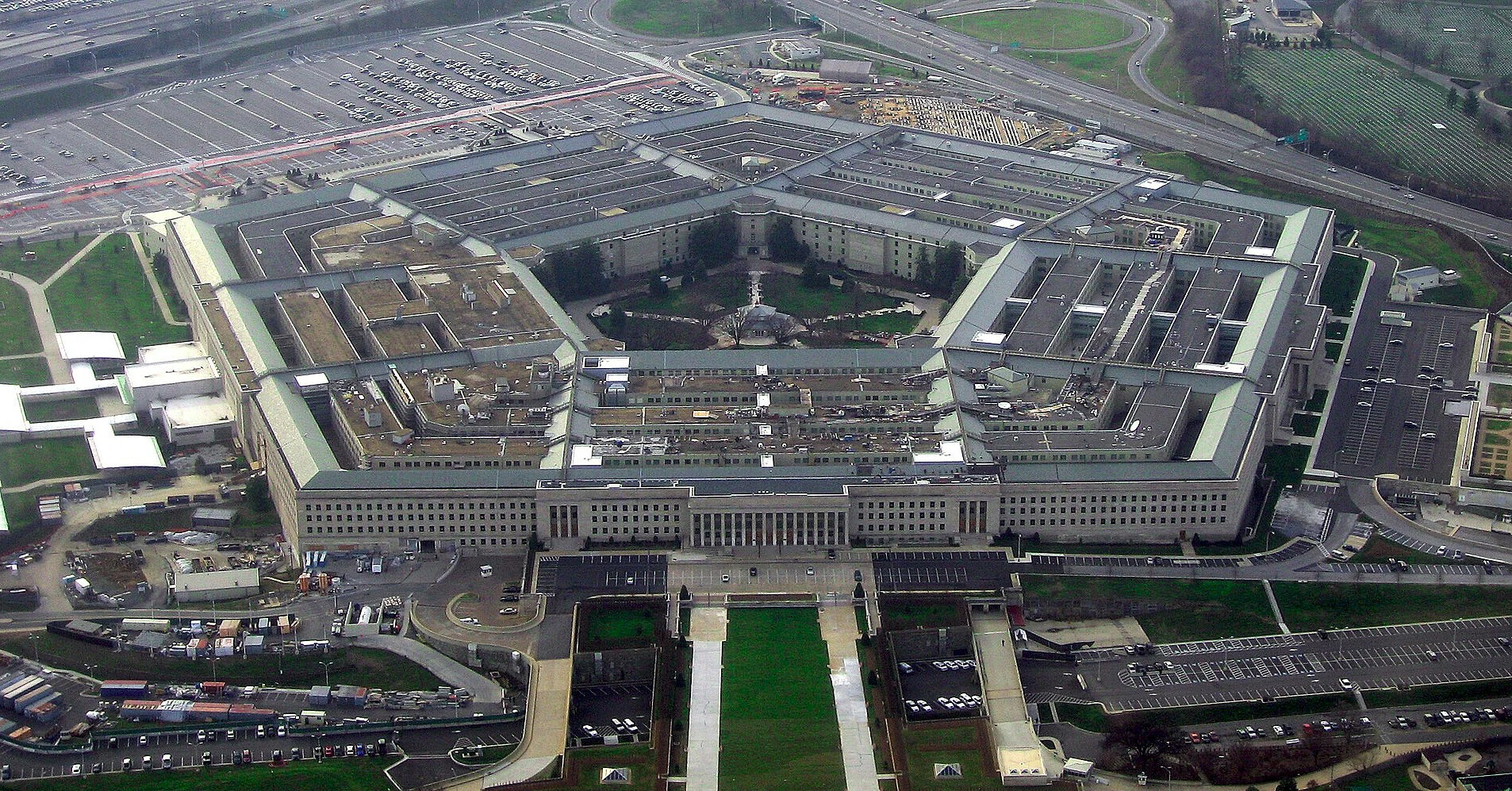
The Pentagon is developing a new U.S. nuclear strategy that should determine Washington's actions in the event of a regional military conflict with Russia or China.
This is reported by NBC News, citing current and former U.S. officials.
The document must consider scenarios in which a conventional war in Europe or the Indo-Pacific region could escalate into limited use of nuclear weapons. This is not about a decision to strike, but about preparing deterrence and response options that can be offered to the president of the United States in a crisis situation.
Special attention is being given to so-called theater, or nonstrategic, nuclear forces. Such weapons are intended for use at a comparatively limited distance, unlike intercontinental systems capable of striking enemy territory across an ocean.
According to sources, the Pentagon is analyzing whether existing U.S. forces are sufficient to deter Moscow and Beijing during a regional conflict. Issues under consideration include the need for additional nuclear systems, integration of nuclear and conventional weapons, protection of U.S. bases, and coordination with allies.
The new strategy is still in the development stage and has not been approved by President Donald Trump. Its preparation does not automatically mean changes in conditions for the use of nuclear weapons or a decision to increase the American arsenal.
The review is linked to the rapid expansion of China's nuclear forces and the preservation of a large Russian arsenal. The Pentagon believes that, for the first time, the United States must simultaneously deter two comparable nuclear adversaries, each possessing strategic and regional delivery capabilities.
Previous U.S. guidance documents already directed the military to plan simultaneous deterrence of multiple nuclear states and to prepare response options to a limited nuclear or significantly destructive non-nuclear strike. The new work is intended to specify the U.S. approach to possible regional conflicts with Russia and China.
