
Slovenia to reduce capacity of sole nuclear power plant amid heat and drought
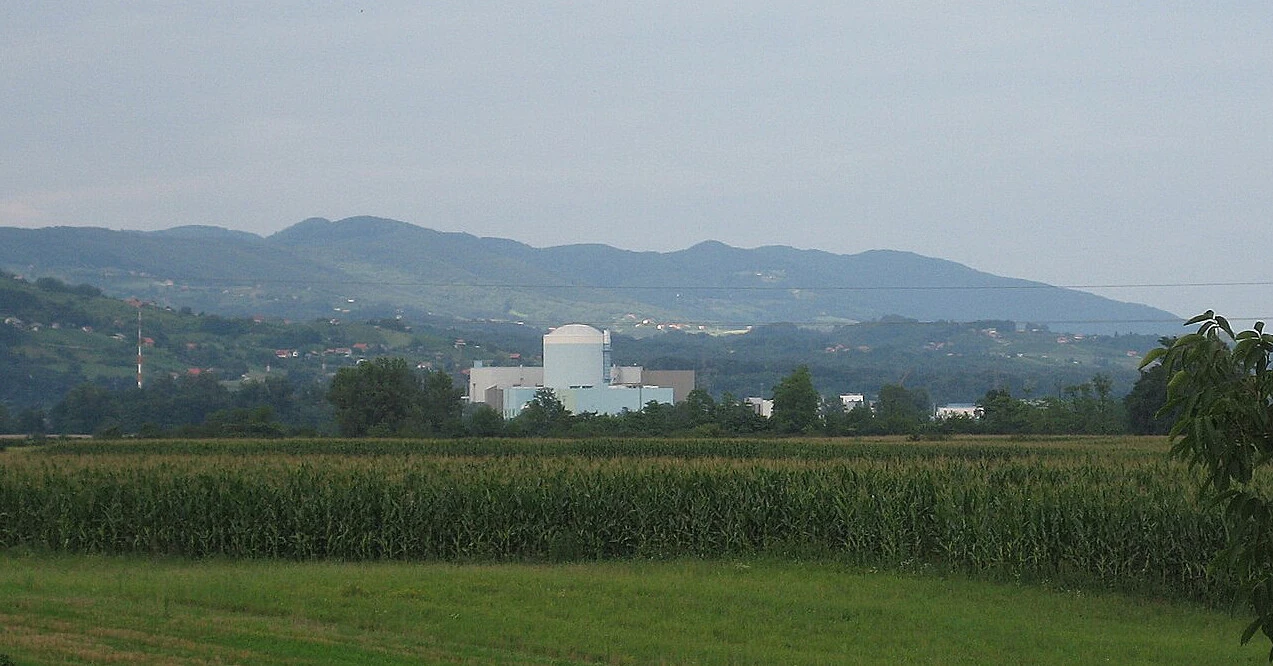
The Krško Nuclear Power Plant in Slovenia will begin gradually reducing reactor capacity on the night of August 6. In the first stage, it will be reduced to 80%, the plant's administration reported.
The reason is prolonged unfavorable hydrological and meteorological conditions on the Sava River. Due to the lack of precipitation, the water flow remains low, and its temperature is elevated, complicating equipment cooling.
The operator described the capacity reduction as planned, controlled, and temporary. It is necessary to meet environmental requirements: the average daily temperature of the Sava at the designated monitoring point must not exceed 28 degrees, and the temperature rise of the water caused by the plant's operation must not exceed an average of three degrees per day.
The nuclear power plant uses water from the Sava in the tertiary cooling circuit to remove heat from the condenser. In recent months, the plant has maintained full capacity thanks to the operation of cooling towers and other available cooling systems.
However, the continuation of the dry and hot weather has brought the river's parameters close to permissible limits. If conditions continue to deteriorate, the reactor's capacity may be reduced even further. In the most unfavorable scenario, the possibility of a gradual shutdown of the plant was previously deemed possible.
Krško has been operating continuously since the completion of repairs in November 2025. As of August 5, the continuous operation duration reached 280 days.
The plant last reduced capacity because of the temperature and water flow of the Sava in 2003. At that time, the restrictions lasted for more than 90 days. The nuclear power plant will be able to return to full capacity operation after the hydrological and weather conditions improve.
