
Russia increased oil production amid the restoration of refineries
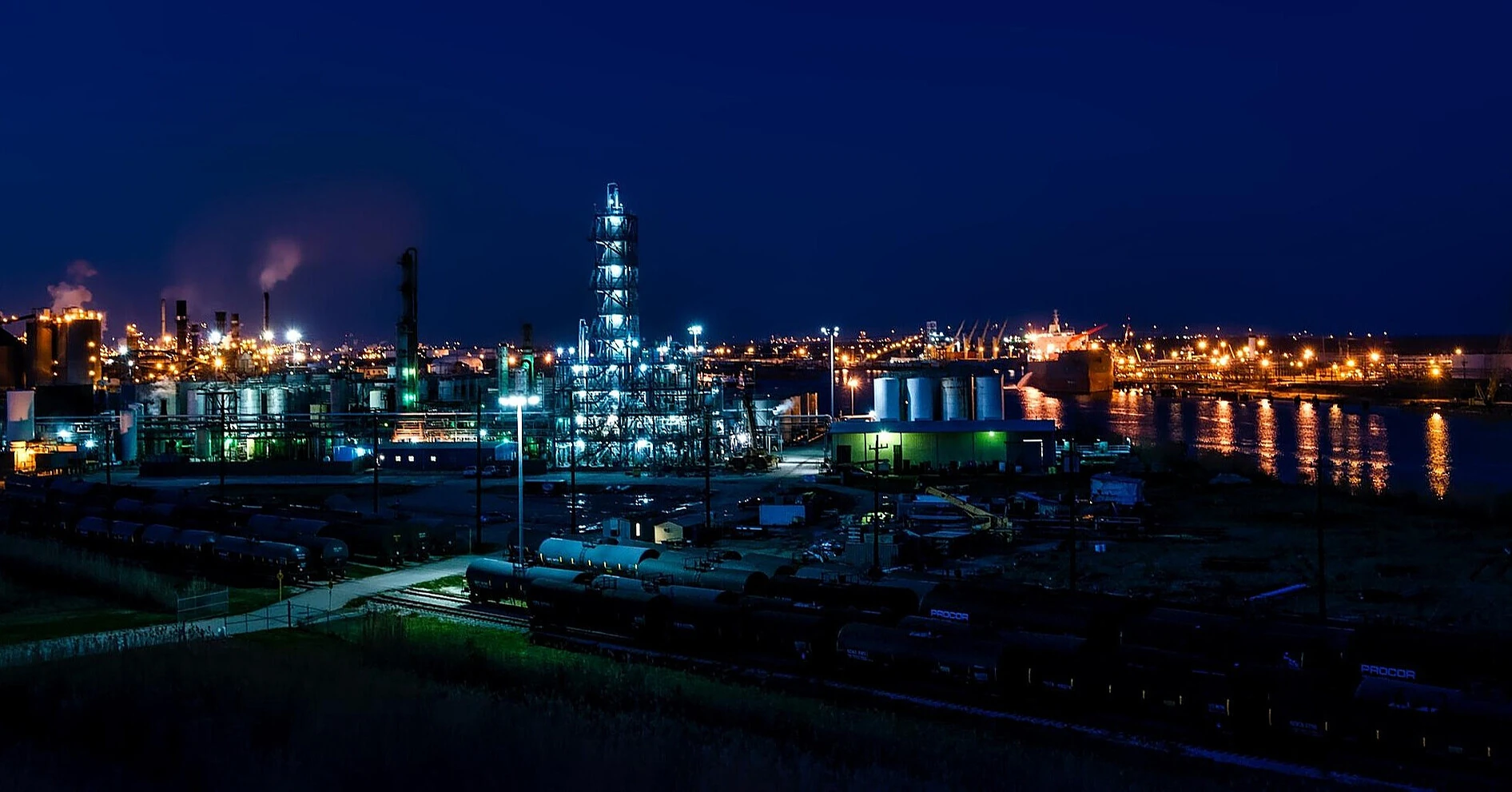
Russia increased its oil production in July compared to the previous month. The growth was driven by stable crude exports and the gradual recovery of throughput at oil refineries.
This was reported by Reuters citing industry sources.
Absolute production figures are not officially disclosed. Russia stopped publishing detailed statistics on its oil sector in 2023, so estimates are based on information from industry sources, pipeline feed data, and sea shipments.
In June, the International Energy Agency estimated Russia's crude oil production at 8.86 million barrels per day. This was 120,000 barrels more than the May figure, but roughly 900,000 barrels below Russia's allowed level under the OPEC+ agreement.
During the spring, production declined due to damage to oil infrastructure, unplanned refinery repairs, and difficulties in shipping crude. Russian Deputy Prime Minister Alexander Novak previously acknowledged the drop, attributing it to plants undergoing maintenance shutdowns.
One of the factors behind the July recovery was stable oil deliveries abroad. In June, exports through the Baltic ports of Primorsk and Ust-Luga, along with the Black Sea port of Novorossiysk, approached 3 million barrels per day. According to Reuters sources, loadings remained high in July.
At the same time, Russian refineries began ramping up processing after a sharp June slump. Back then, refinery runs dropped to about 4.1 million barrels per day—one of the lowest levels in recent years.
The reduction in refining allowed Russia to direct more crude oil for export, but exacerbated shortages of gasoline and diesel within the country. Authorities restricted foreign deliveries of oil products to increase their availability on the domestic market.
The recovery in refinery operations during July increased the demand for raw materials from Russian enterprises. At the same time, the preservation of seaborne exports allowed oil companies to gradually increase production after the spring plunge.
Russia’s oil sector, however, continues to face the consequences of strikes on plants, storage facilities, pipelines, and port infrastructure. The International Energy Agency expects Russia's average output to shrink by about 3% in 2026, to 8.9 million barrels per day.
The July estimates remain preliminary. More precise data may appear in upcoming OPEC and International Energy Agency reports.
