
Low water levels in the Danube hit Austrian industry and logistics
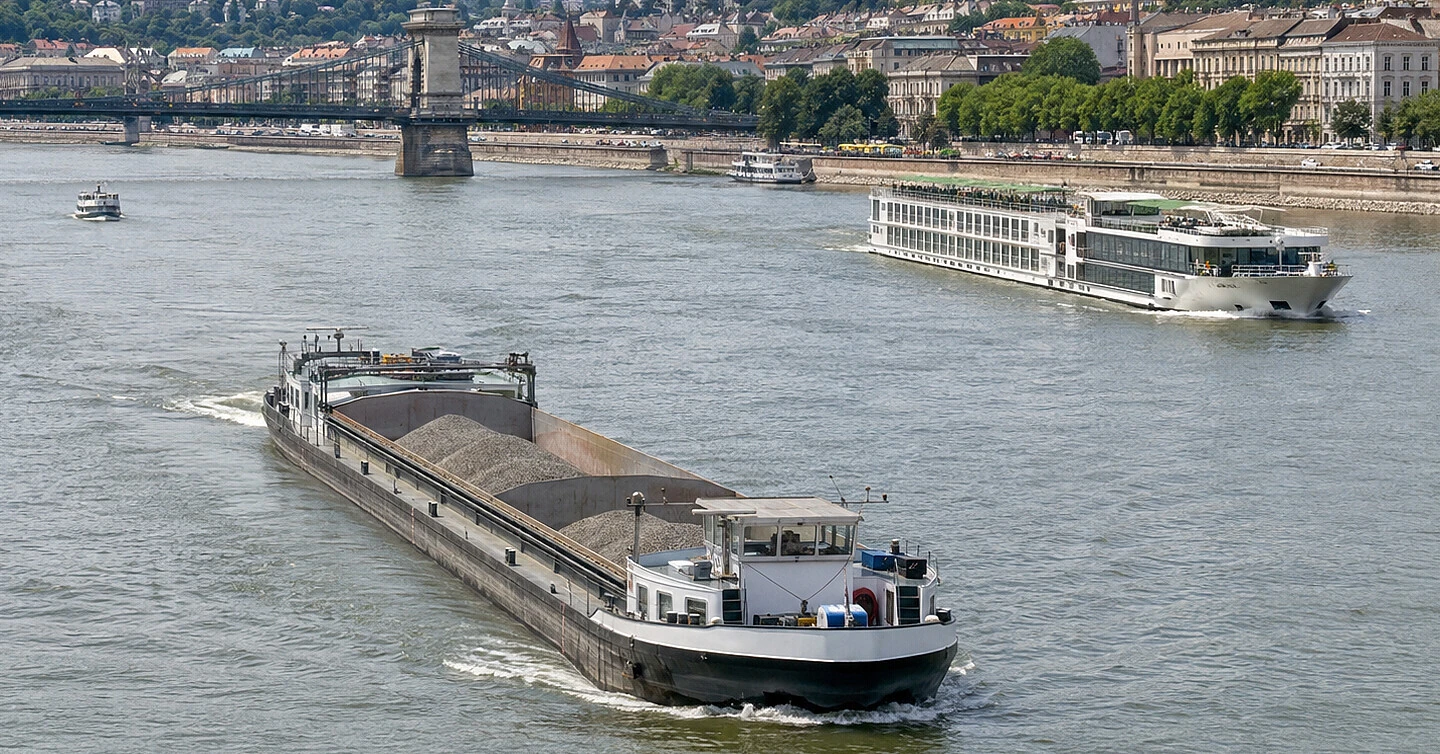
A record low water level in the Danube has severely limited freight shipping and created problems for Austrian industrial companies. Some companies are shifting goods to rail, while others are forced to stockpile raw materials and finished products in warehouses.
One of the affected businesses is the steel and technology group Voestalpine. Due to reduced shipping, the company partially shifted transport to rail. For business, such replacement means additional costs, as waterway delivery is usually cheaper than road and rail transport.
The low water is caused by prolonged heat, low rainfall and weak spring replenishment from snowmelt. Low levels have been recorded both on the Danube and its tributaries, including the Traun, Enns and Ybbs.
There is no official ban on navigation along the Austrian stretch of the Danube. However, freight vessels cannot load fully due to insufficient depth, and some operators are temporarily suspending sailings. The decision on whether to operate a voyage is made by captains and shipping companies based on the individual vessel's draft.
The Austrian company viadonau has issued low-water warnings for certain sections of the river. Until 17 August crews must reduce wave formation and navigate with increased caution. Meanwhile, locks along the Austrian stretch continue to operate.
Ports are trying to compensate for the drop in river supplies by using truck and rail transport. The port of Vienna stated that the ability to quickly switch between ships, trains and trucks allows them to meet customers' orders for now. The Danube usually carries oil, grain, scrap metal, gravel and other bulk commodities.
The water shortage is also affecting the energy sector. Austrian energy companies Energie AG and Verbund reported that their hydroelectric output has dropped by approximately 30% compared to normal levels. To meet demand, power companies are increasing use of other sources and importing electricity.
Conditions differ along various sections of the Danube, so it cannot be said that shipping has been completely halted across the whole river. However, a further drop in water levels may raise transport costs and intensify problems for businesses that rely on regular deliveries of heavy and oversized goods.
Based on: Der Standard, viadonau, ORF
