
EU Accelerates Enlargement: Ukraine Insists on Full Membership
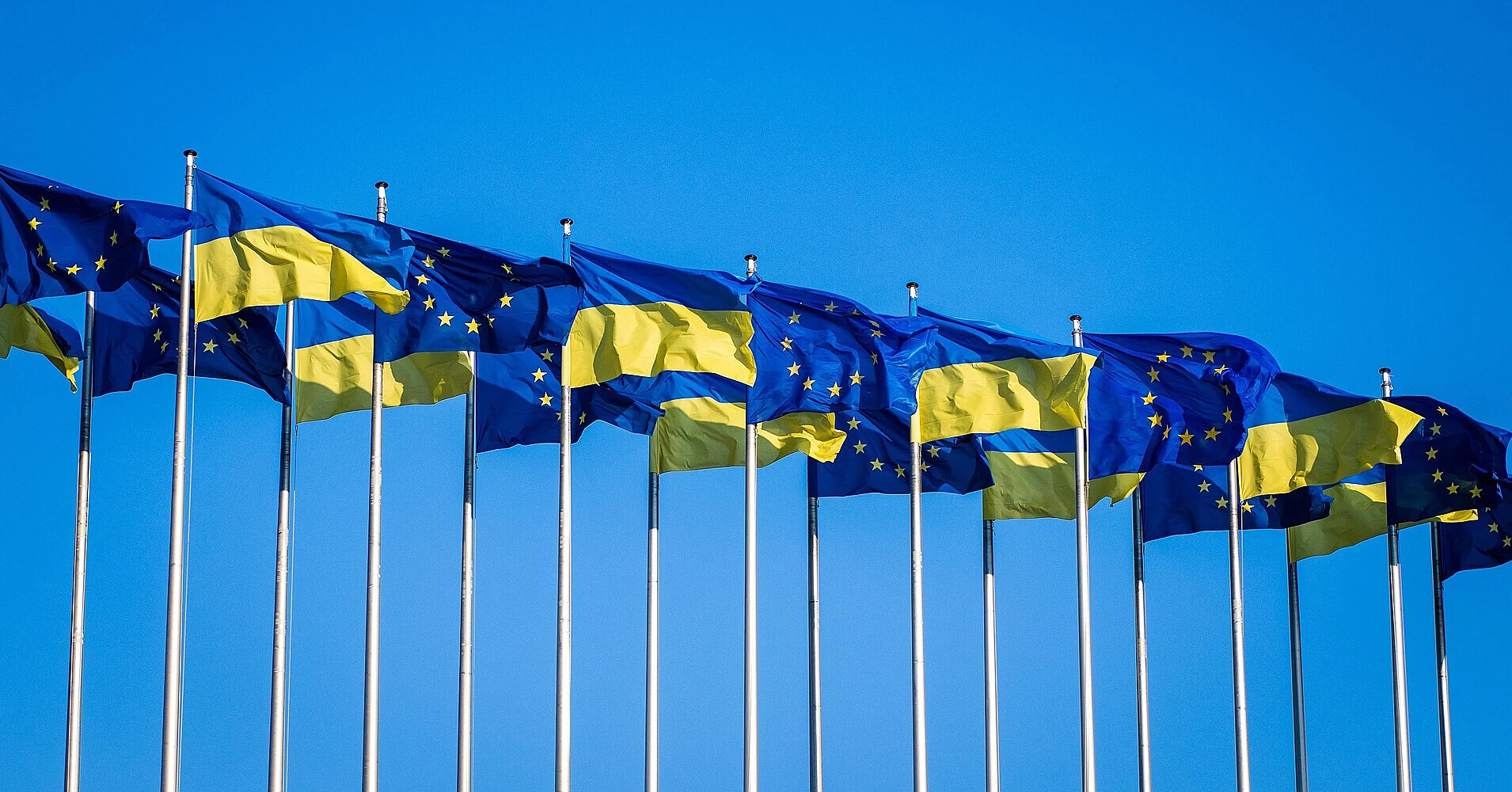
The European Union is discussing changes to the procedure for admitting new countries amid the fastest progress of the enlargement process in 15 years. Brussels is considering a more gradual integration of candidates, but Ukraine insists on full EU membership, writes Financial Times.
EU enlargement has once again become an element of European security policy after Russia's full-scale invasion of Ukraine and the changing relationship between Europe and the US. EU Commissioner for Enlargement Marta Kos notes that it is now not only about the economic integration of candidate countries, but also about shaping a new political and defense architecture in Europe.
At the same time, the European Commission is preparing proposals for a possible reform of the enlargement mechanism itself. One of the options being considered envisages the gradual integration of countries as they meet EU requirements. Within the European Union, such an approach is seen as a way to make enlargement manageable, but some candidate countries fear the emergence of a multi-tier membership model. Kyiv, according to FT, opposes an option that does not provide for full accession. Ukrainian authorities also publicly name full EU membership as their goal.
The negotiation process has noticeably accelerated. On July 14, the EU simultaneously held accession conferences with Ukraine, Moldova, Montenegro and Albania. Another negotiating cluster was opened for Ukraine - on external relations, covering foreign, trade, defense policy and security issues.
Montenegro is currently closest to accession. All 33 negotiating chapters with it have been opened, and 18 of them are provisionally closed. In July, the country completed negotiations in two more areas - competition policy and the customs union.
The EU expects Montenegro's progress to show other candidates that the prospect of membership is real. At the same time, European governments will have to agree on how the enlarged European Union should function and whether internal rules need to be changed. According to FT sources, the remainder of 2026 could be decisive for the enlargement process: delaying decisions could once again undermine candidate countries' trust in Brussels' promises.
Source: Financial Times
