
US Senate approves sweeping package of sanctions against Russia
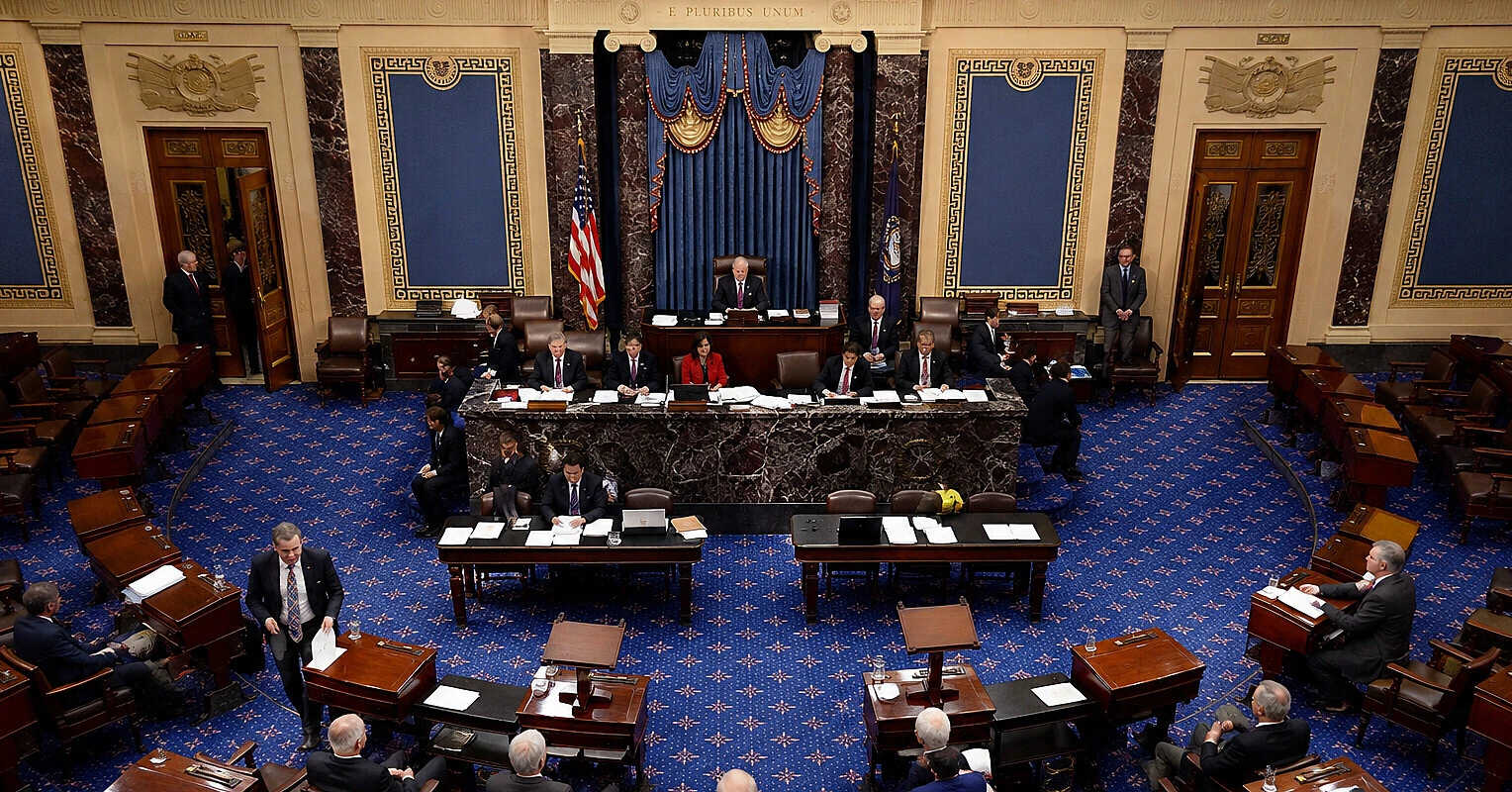
The US Senate on Friday, August 7, approved a sweeping bill on sanctions against Russia and countries that continue to purchase Russian energy resources. The document was supported by 86 senators, opposed by 11. The bill must now be considered by the House of Representatives.
The document was named the Lindsey O. Graham Sanctioning Russia and Iran Act of 2026. Its main goal is to reduce Russia's revenues from oil and gas exports, which are used to finance the war against Ukraine.
The bill provides for primary and secondary sanctions against Russian officials, oligarchs, their family members, banks and financial institutions, as well as foreign individuals and legal entities that help Russia circumvent restrictions. The Russian "shadow fleet," used to transport oil in circumvention of Western restrictions, is also to be subjected to sanctions.
One of the toughest provisions of the document is the ability to impose tariffs against the largest buyers of Russian energy resources. The US President will be able to set duties of up to 100% on goods from countries that rank among the top five largest importers of Russian oil or gas. A similar mechanism is provided for states that most actively help circumvent energy sanctions.
Thus, pressure should be exerted not only directly on Russian companies but also on states and foreign buyers that provide Moscow with significant revenues from energy exports.
The bill received broad bipartisan support. As early as July 28, the Senate agreed by a procedural vote of 86 to 12 to take up its consideration. At that vote, Ukrainian President Volodymyr Zelenskyy was present, as he met with US senators who are supporters of new sanctions.
The initiative had long been pushed by Republican Senator Lindsey Graham together with Democrat Richard Blumenthal. Shortly before his death, Graham reached an agreement with the administration of Donald Trump on an updated version of the document. After that, the bill garnered more than 60 cosponsors in the Senate.
The updated version provides for the possibility for the US President to grant waivers from certain sanctions requirements under certain conditions. The White House also received broader authority in determining specific tariff measures against purchasers of Russian energy resources.
The bill also includes restrictions against Iran. The document extends American sanctions authorities aimed at countering the financing of the Iranian energy and weapons sectors.
After approval by the Senate, the bill has not yet become law. It must be passed by the House of Representatives, after which the document will go to the US President for signature.
Based on materials from: Reuters
