
Pentagon prepares first tests of Golden Dome space component
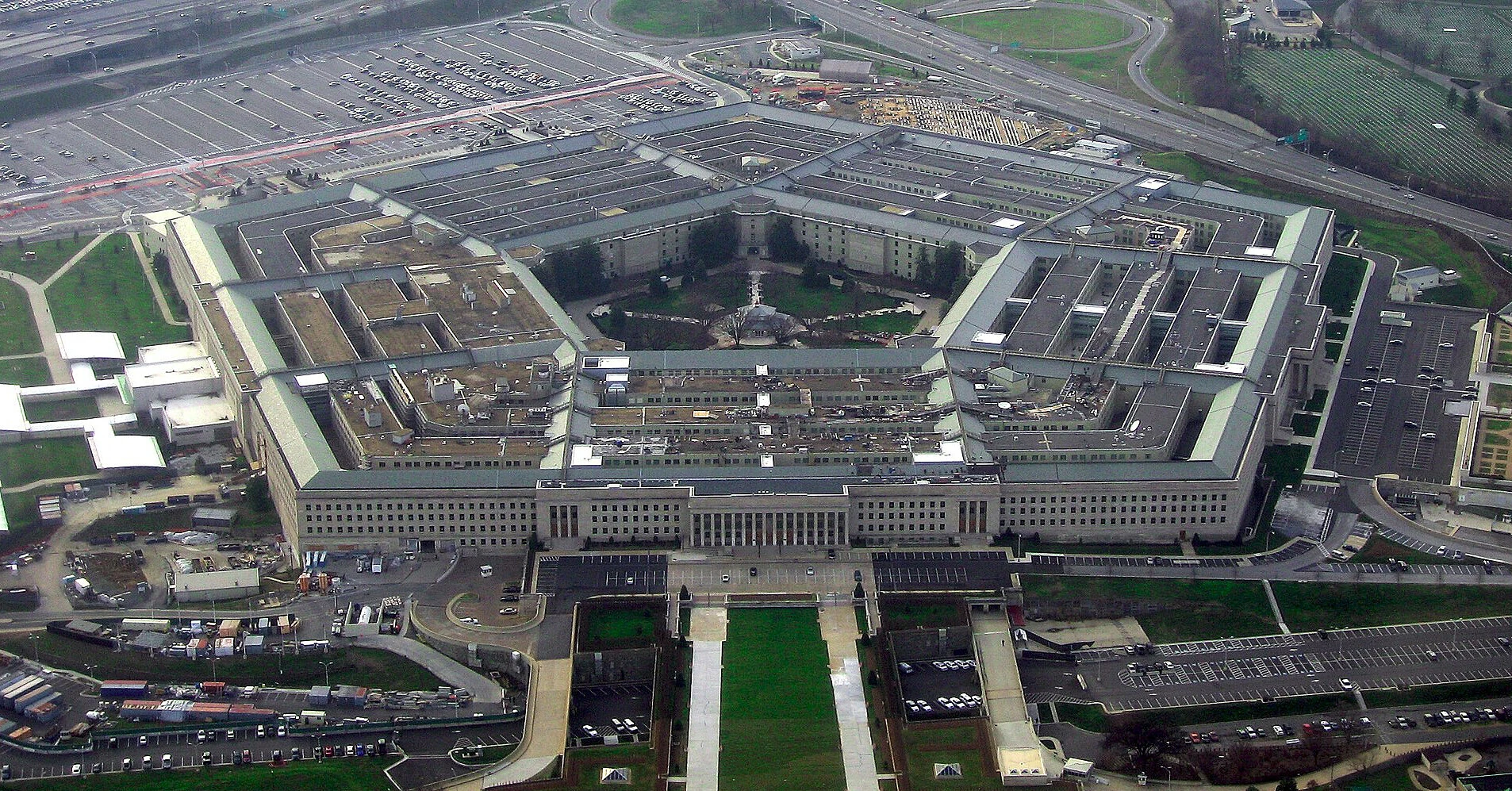
The Pentagon intends to begin testing technologies for the space component of the Golden Dome missile defense system by the end of 2026. Flight demonstrations of the most complex and as-yet unproven solutions are scheduled for 2027.
This is reported by Bloomberg, citing sources familiar with the U.S. military department's plans.
These are primarily technologies that would allow the U.S. to detect and intercept missiles using space-based systems. The space layer is considered one of the most challenging parts of Golden Dome, as some requisite solutions do not yet exist in ready-made form.
However, this does not refer to the first tests of the entire Golden Dome system. The U.S. military has previously tested individual technologies intended for integration into the future missile defense system. The new phase concerns the development of the program's space component itself.
A key element of the project is meant to be Space-Based Interceptors — space-based interceptors designed to destroy enemy missiles outside the atmosphere or in early stages of their flight.
The U.S. Space Force has formally created the Space-Based Interceptor program. The military aims to demonstrate the capabilities of such interceptors and integrate them into the Golden Dome architecture by 2028.
Agreements with 12 companies totaling up to $3.2 billion have been signed for prototype development. Program participants include Lockheed Martin, SpaceX, Anduril, Northrop Grumman, Raytheon, and a number of other defense and space companies.
Golden Dome is envisioned as a multi-layered system for protecting U.S. territory from ballistic, hypersonic, and cruise missiles, as well as other aerial threats. The project's architecture calls for integrating ground-based missile defense systems, detection and tracking satellites, data transmission assets, and prospective space-based interceptors.
Indeed, the capability to destroy missiles from space is one of the most technologically complex parts of the program. Such systems must not only detect a launch and determine the target's trajectory, but also guide an interceptor onto the required course within a short timeframe.
The Donald Trump administration expects to significantly accelerate the creation of Golden Dome. In March, program manager and Space Force General Michael Guetlein estimated the cost of the initial target architecture at around $185 billion — $10 billion more than Trump originally stated.
Meanwhile, the ultimate cost of the whole system remains uncertain. It will depend, among other things, on the number of satellites, sensors, and interceptors the U.S. decides to place in orbit.
The test plans by the end of the year indicate that the program is transitioning from contract awards and concept development to the practical validation of individual space technologies. However, a full-scale demonstration of space-based interceptor capabilities is expected later.
