

U.S. economy unexpectedly lost jobs, S&P 500 hits new record
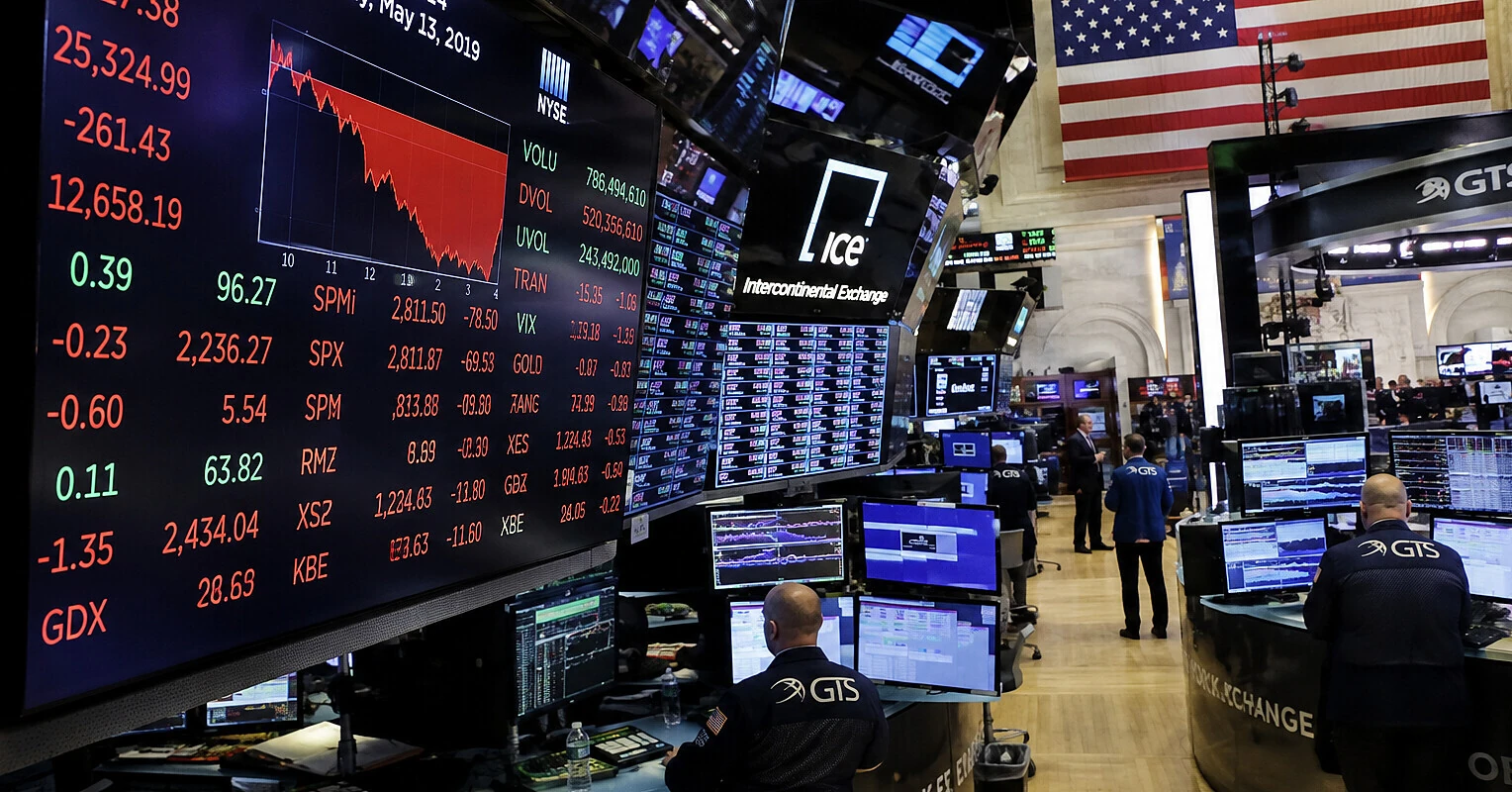
The American economy unexpectedly lost 23,000 jobs in July, while analysts had expected a noticeable increase in employment. The weak statistics heightened expectations that the Federal Reserve would not rush to further raise interest rates and pushed the U.S. stock market to new highs.
According to the Bureau of Labor Statistics, nonfarm payrolls fell by 23,000 in July. Economists on average had expected an increase of about 83,000.
At the same time, authorities significantly revised data for previous months. The combined estimate of job growth in May and June was lowered by an additional 103,000 jobs, which reinforced signs of cooling in the U.S. labor market.
Meanwhile, the unemployment rate edged down slightly in July — from 4.2% to 4.1%. However, the decline in the indicator occurred amid a decrease in labor force participation.
Investors took the weak stats positively. It reduced the likelihood that the Federal Reserve would have to further tighten monetary policy to fight inflation.
At the close of trading on August 7, the S&P 500 index rose by 0.6% and ended at a record level of 7757.64 points. The Nasdaq Composite added 1.3% to reach 26,690.62 points, while the Dow Jones industrials rose by 0.3% to 54,036.93 points.
The week as a whole also turned out to be one of the most successful for the U.S. market in recent months. The S&P 500 rose about 3.6%, the Nasdaq gained 5.2%, and the Dow Jones advanced 3%.
The market reaction is explained by the fact that the deteriorating employment situation gives the Fed more reason to keep rates unchanged. Prior to the release of the report, investors feared that a resilient labor market and inflationary pressures could force the regulator to continue raising borrowing costs.
Now investor attention is shifting to inflation data for July, which should help determine the future path of U.S. interest rates.
Based on materials from: Bureau of Labor Statistics, The Wall Street Journal