
Sejm Speaker Ties Ukraine's EU Accession to Volyn Issue
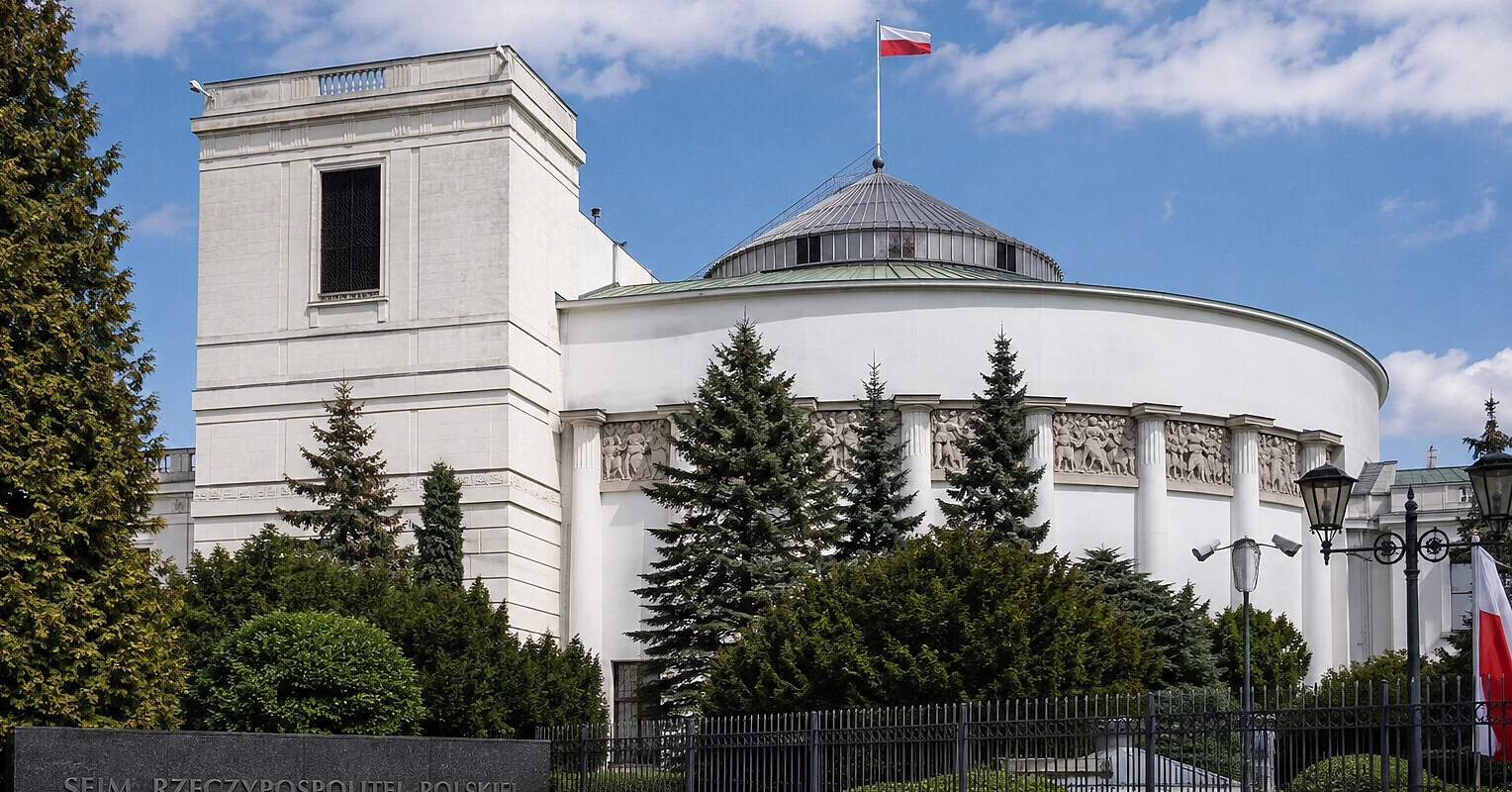
Speaker of the Polish Sejm, Włodzimierz Czarzasty, stated that Ukraine’s accession to the European Union will require a rethinking of contested pages of history, including the recognition of the Volhynia events as genocide. He said this on August 10 following talks with Chairman of the Verkhovna Rada Ruslan Stefanchuk in the Polish town of Szczawnica.
At the same time, Czarzasty emphasized that he remains a supporter of Ukraine’s membership in the European Union. According to him, the EU is not only about economic benefits, but also about democracy and a system of values; therefore, historical issues cannot be ignored.
“Ukraine’s accession to the EU will require Ukrainians to rethink all aspects of their history,” - said the Sejm Speaker.
He added that part of this process should be “calling a genocide a genocide,” because no nation can escape its own history.
In Poland, the events of 1943–1944 in Volhynia, during which tens of thousands of Polish citizens perished, are officially classified as genocide perpetrated by Ukrainian nationalists. In Ukraine and Poland, assessments of certain historical circumstances and the responsibility of the parties remain the subject of a years-long discussion.
Czarzasty and Stefanchuk discussed historical issues during a meeting of parliamentary delegations. The Polish politician characterized the conversation as “sometimes pleasant, sometimes unpleasant, but honest.” He also declared the need to restore trust between the two countries.
According to Czarzasty, the deterioration of mutual attitudes between Poles and Ukrainians is not in the interests of either country. He condemned negative behavior both towards Ukrainians in Poland and towards Poles by Ukrainians, noting the necessity of maintaining a permanent communication channel between the parliaments of both states.
At the same time, the Sejm Speaker stressed the strategic importance of Ukraine for Poland. According to him, a secure Ukraine is necessary for Poland’s own security. Earlier, the parliaments of the two countries agreed to establish a joint parliamentary-expert working group to support Ukraine’s integration into the EU.
In recent months, historical issues have again become a source of tension in relations between Kyiv and Warsaw. Ukraine, in particular, has announced the expansion of search and exhumation efforts and its intention to open additional archival materials concerning the Volhynia events.
Notably, the recognition of the Volhynia tragedy as genocide is not a separate formal membership criterion set by EU institutions. Candidates must meet the Copenhagen criteria, European values, and EU legislation. However, final accession requires unanimous consent of member states, so Poland’s position holds practical significance for the enlargement process.
Ukraine is already negotiating accession to the European Union. In June 2026, EU countries agreed to open the first negotiating cluster, and in July, a subsequent intergovernmental conference was held on foreign policy and security matters.
Based on materials from: Rzeczpospolita, European Commission
