
Authorities prepare a solution for communities left without petrol stations
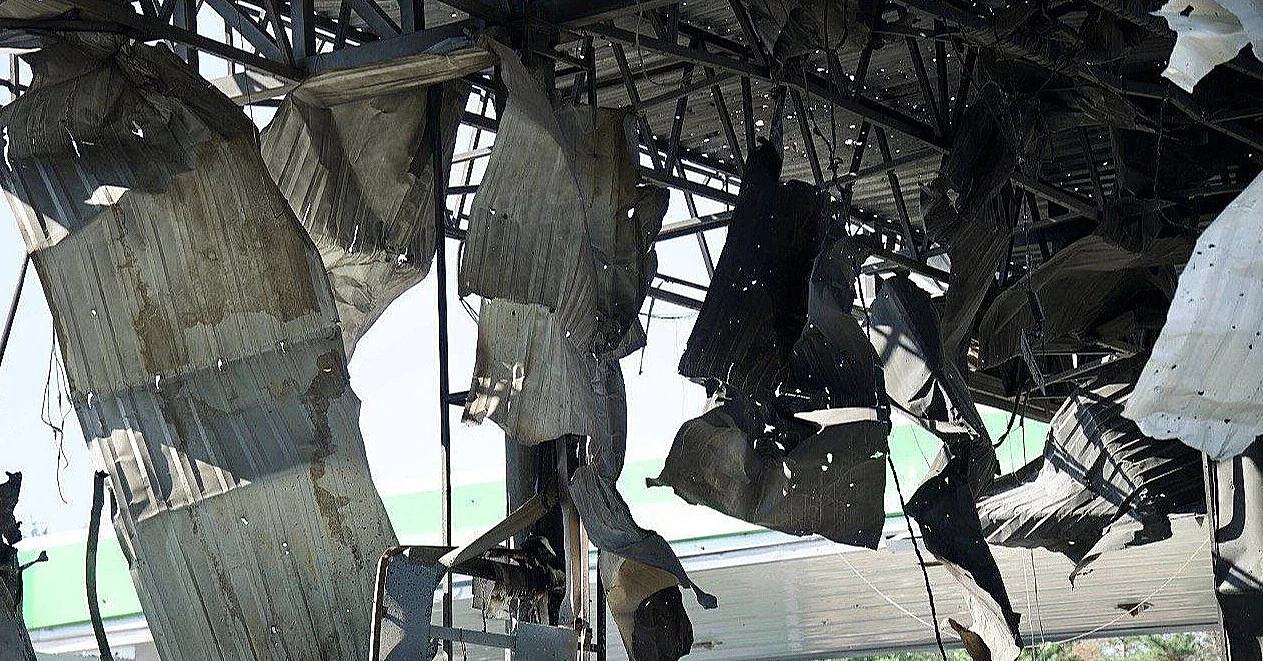
A new mechanism for fuel sales is being developed in Ukraine for communities where stationary petrol stations have been destroyed by Russian strikes.
This was reported by Olha Vasylevska-Smahliuk, People's Deputy from "Servant of the People" party.
According to her, in some settlements after the attacks there are no stationary petrol stations left, leaving local residents and utility services facing problems in accessing gasoline and diesel. Given the circumstances, the authorities are seeking the possibility to temporarily arrange fuel sales through mobile refuelling outlets.
Such a scheme is already used in some frontline communities. Specifically, in Trostianets of Sumy region, after stationary stations were destroyed, fuel began to be dispensed from mobile refuelling units.
However, current legislation does not envisage mobile petrol stations as a separate format for retail sale of gasoline and diesel. This type of sale requires a licensed place of trade, and the legislative exception for mobile transport mainly concerns the sale of liquefied gas in cylinders.
This is precisely why, for the full-scale use of mobile stations, it is necessary to regulate issues of licensing, accounting of sold fuel and tax payment control. The details of the new mechanism and the timing of its implementation have not yet been clarified by Vasylevska-Smahliuk.
Earlier, the problem has already arisen in Sumy region. In the Trostyanets community, Russian strikes destroyed the existing stationary petrol stations, after which local authorities switched to mobile fuel sales as a temporary solution. In July, representatives of the fuel market noted that scaling up such a practice nationwide was impeded precisely by the current legislative requirements.
Russian attacks on fuel infrastructure intensified significantly in summer. Market participants estimated that by mid-July up to 200 fuel infrastructure facilities across Ukraine had been damaged, although this has not yet caused a systemic shortage of gasoline and diesel on the national market.
