
Tehran insists on compensation from Ukraine for damaged vessel
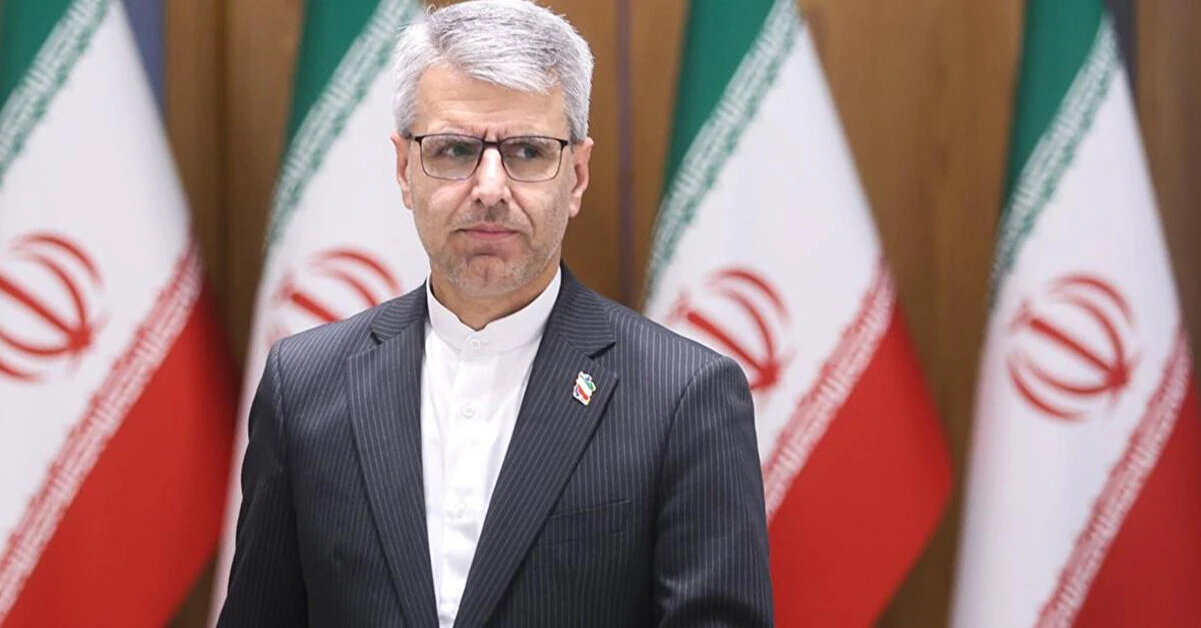
Iran still does not find convincing Kyiv's explanations about the unintentional nature of the attack on an Iranian merchant vessel in the Caspian Sea and demands compensation for the damage. This was stated on August 10 by Iranian Foreign Ministry spokesman Esmaeil Baghaei.
According to Baghaei, Tehran had previously received explanations from the Ukrainian side, but they did not change Iran's position. The Foreign Ministry spokesman stated that the Iranian side heard Kyiv's arguments but does not consider them sufficient.
"We are still not convinced by the Ukrainian side's assertion that this action was unintentional," Baghaei said.
He added that, since the Ukrainian authorities acknowledged the fact of the attack itself, Iran expects compensation for the damage caused.
The Iranian Foreign Ministry spokesman also stated that if Ukraine does not compensate the damage, Tehran intends to act on its own. What exactly such actions imply, Baghaei did not specify.
The dispute arose after an incident on July 25 in the Caspian Sea. Iran accused Ukraine of attacking its merchant vessel and claimed that as a result of the explosion one sailor was killed and another was injured. On the same day, President Volodymyr Zelenskyy reported on the results of Ukrainian long-range actions in the Caspian Sea and mentioned vessels that were used to transport military cargo from Iran.
On July 28, Iranian Foreign Minister Abbas Araghchi, after a conversation with Andrii Sybiha, reported that the Ukrainian side called the attack unintentional and assured that they have no intention of seeking escalation. Despite this, Araghchi already then stated the need to compensate the damage.
The Ukrainian side emphasized that its actions are aimed at countering Russian aggression and are not intended to attack civilian vessels or people. Kyiv also points to Iran's role in supporting the Russian war machine, in particular the supply of weapons and technologies that Russia uses in the war against Ukraine.
Based on materials from: ISNA
