
Germany changes transport rules amid Rhine water level drop
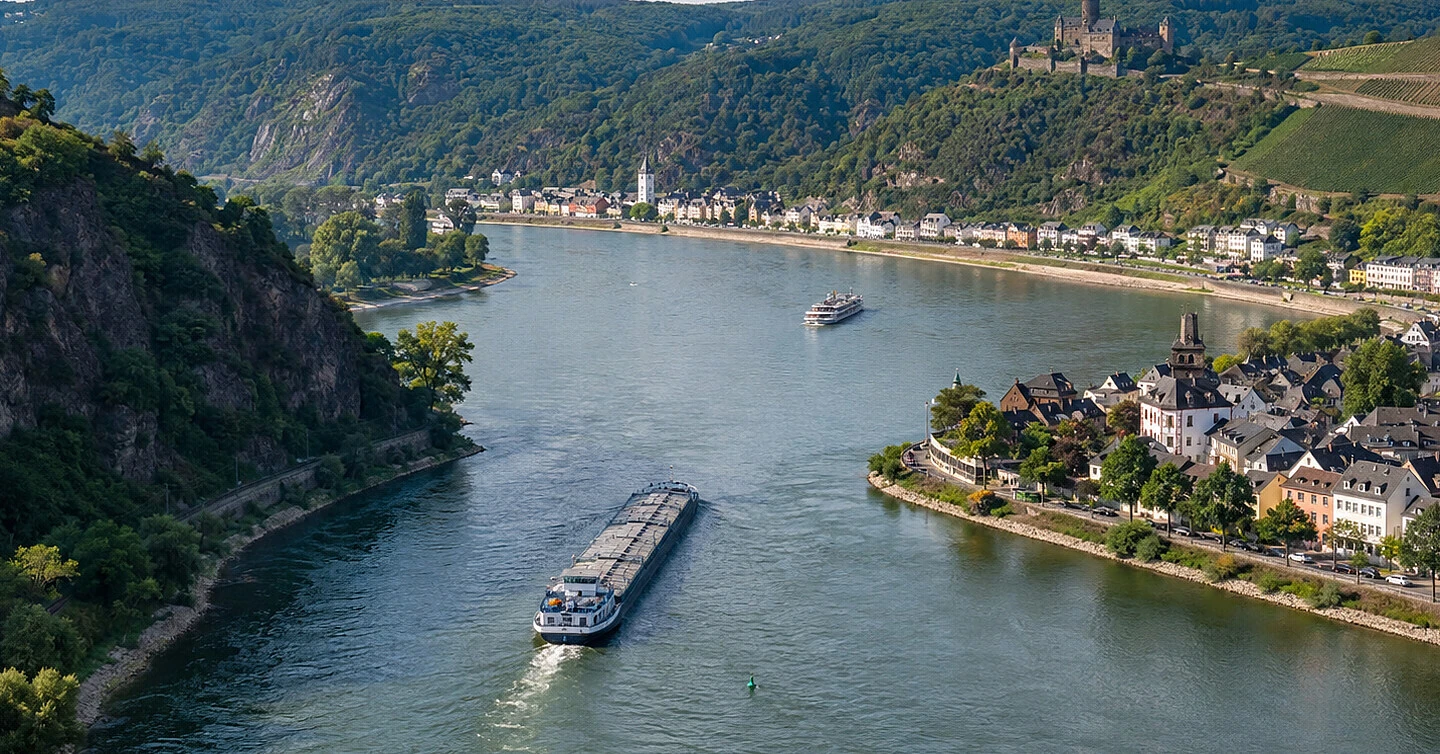
Critically low water levels in the Rhine are forcing Germany to change freight transport regulations. Several federal states have temporarily lifted Sunday and holiday driving bans for trucks in order to partially compensate for river logistics challenges.
Such measures have already been taken by four out of Germany’s 16 federal states. Other regions are expected to join within the week. The exemptions are set to last several weeks and are linked to low water levels in German rivers, primarily the Rhine—one of the country’s most important transport arteries.
The drought complicates shipments by water and increases strain on road transport. However, it is impossible to fully replace inland vessels with trucks and rail, as alternative modes of transport lack spare capacity.
The situation is particularly sensitive for industry along the Rhine, for which the river remains a key route for delivering raw materials and finished goods. The lower the water level, the tighter the restrictions on navigation and the higher the cost of transport.
The temporary lifting of Sunday and holiday restrictions is meant to help carriers redistribute cargo more quickly between inland vessels and road transport. However, experts warn that road haulage can only compensate for a fraction of the lost river capacity.
This summer’s prolonged drought has already created problems for navigation and industry in several European countries. The situation on the Rhine is becoming one of the most visible economic consequences of low water levels, as large volumes of industrial raw materials and goods are transported along the river.
Source: iROZHLAS
