
Air Force to restrict ballistic missile data in morning reports
The Air Force of the Armed Forces of Ukraine is changing the format of morning reports on the results of repelling Russian air attacks. During massive strikes, data on the number of ballistic missiles used by the enemy and the results of their interception will be limited in the summaries.
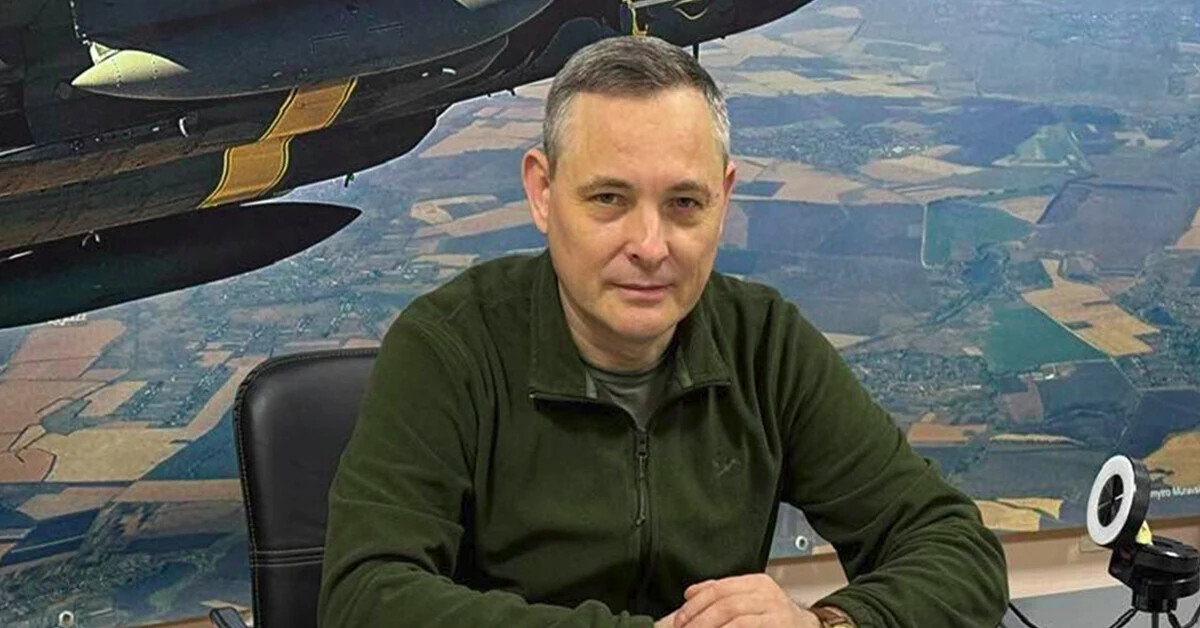
This was reported by Yuriy Ignat, head of the communications department of the Air Force Command.
The changes will primarily affect detailed statistics on missiles that attack along a ballistic trajectory. Morning messages may not indicate the exact number of launched, downed, and suppressed missiles, as well as those that did not reach their targets for other reasons.
According to Ignat, the decision was made by the military leadership. At the same time, the Air Force does not stop informing the population about air threats and the results of combat operations.
Warnings during attacks will remain unchanged
Operational information about the movement of air targets will continue to be published around the clock online in the official Air Force channels on Telegram, Viber, and WhatsApp. This format, Ignat emphasized, is not planned to be changed.
Morning messages with the overall results of combat operations for the night will also be preserved. Restrictions will concern specifically part of the information about ballistic means of destruction during massive attacks.
In addition, the communications department of the Air Force Command will continue to provide the media with generalized information about Russia's use of ballistic missiles and other means of air attack.
In July, Russia used more than 450 missiles
Ignat cited data for July 2026. According to him, over the month, Russian troops used more than 450 missiles of various types against Ukraine. Almost 200 of them attacked along a ballistic trajectory.
This is one of the most difficult categories of targets for air defense. In previous morning reports, the Air Force usually separately reported the number of launched ballistic missiles and the results of air defense systems' work against them.
Ignat noted that the format of reports on Russian air strikes has changed about ten times already. It was adjusted taking into account the situation, changes in Russian tactics, types of air attack means used, and other circumstances.
Thus, after the new changes, Ukrainians will continue to receive operational warnings about air threats as usual, but detailed statistics on Russian ballistic missiles after massive attacks may be published in abbreviated form.
