
Earthquake in Colombia: Hunt for survivors continues into third day
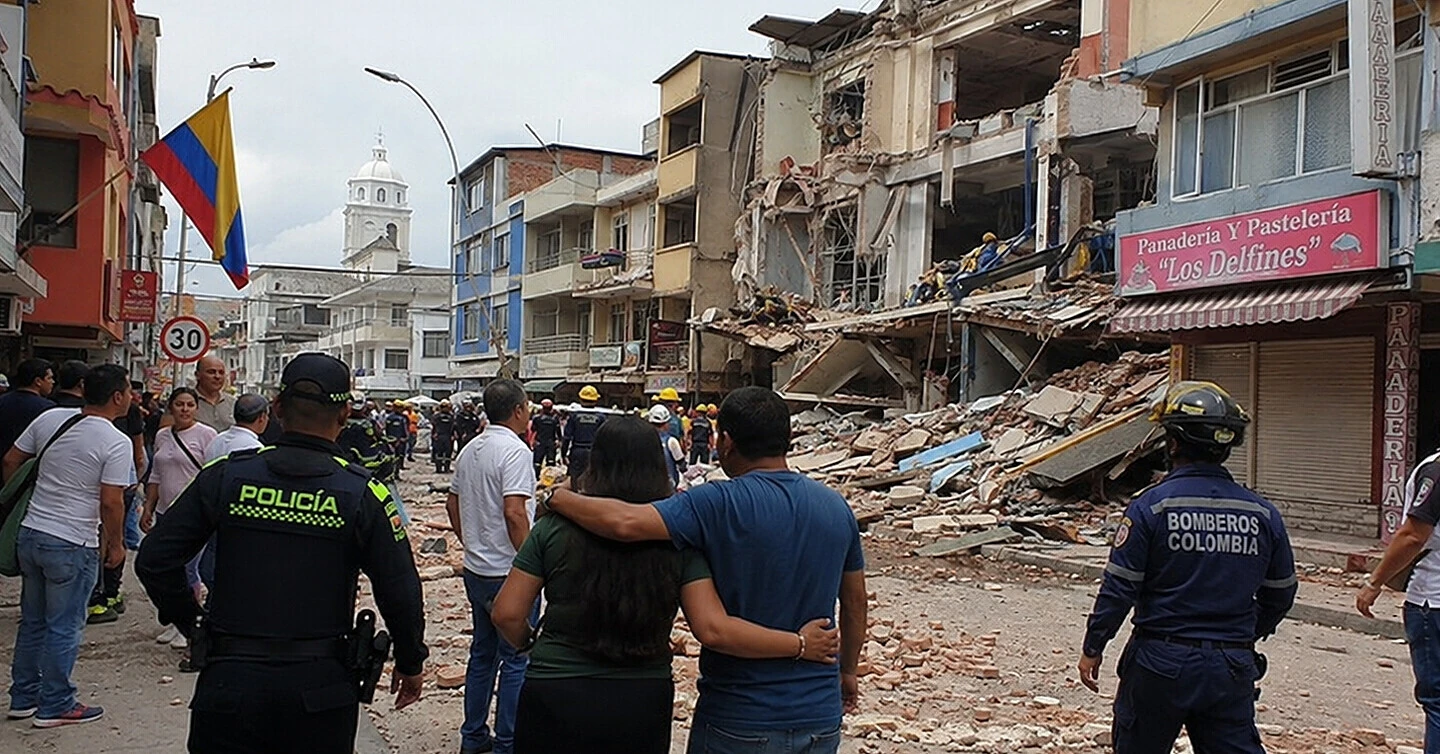
In Colombia, a massive search-and-rescue operation entered its third day on Wednesday after a magnitude 7.4 earthquake struck the western part of the country on the morning of August 10. According to the latest figures from local authorities, the death toll has climbed to at least 250 people, with hundreds injured. Rescue workers continue to comb through the rubble in hopes of finding people alive.
The epicenter of the quake was near the municipality of San José del Palmar in the department of Chocó. Published data indicates the focus lay at a depth of about 82 km. The violent shaking caused destruction across several regions of the country, with Pereira, Cali, Manizales and towns in Chocó particularly hard hit. Homes, schools, medical facilities, roads and other infrastructure were damaged.
In the first 24 hours authorities reported 132 dead and more than 570 injured, but as the debris of collapsed buildings has been removed the numbers have risen significantly. The situation is complicated by the fact that some affected areas in Chocó are in hard-to-reach terrain where roads have been severed and communications disrupted. The full scale of the disaster remains impossible to determine.
The main focus now is the search for people buried under the rubble. Rescue units are working around the clock in the most badly affected cities. According to The Wall Street Journal, hundreds of structures collapsed after the earthquake and more than 200 people were listed as missing. Rescuers have already managed to pull people out alive many hours after buildings collapsed, which is why search operations continued into the third day after the catastrophe.
A state of emergency was declared in the country after the earthquake. Colombian President Abelardo de la Espriella ordered resources to be focused on saving lives and helping affected regions. A special operations centre is coordinating the work of authorities and emergency services. The disaster has also prompted a change in the leadership of the National Unit for Disaster Risk Management.
Colombia is receiving assistance from abroad. Mexico has sent 19.5 tonnes of food and essential supplies, while the United States has dispatched a team of 22 emergency specialists. Humanitarian cargo is also arriving from El Salvador, and other countries and international organisations have offered help and expertise.
The rescue efforts are being hampered by numerous aftershocks. According to the Colombian Geological Service, around 130 aftershocks of up to magnitude 4.8 have been registered since the main earthquake. Specialists caution that while such tremors are a normal continuation of a strong earthquake, they pose an additional risk to already weakened structures and to the rescue workers digging through the collapses.
Authorities are still surveying the affected towns and villages, so the number of dead, injured and missing may change. The most urgent task remains the search for people trapped in ruined buildings, after which the country will need to assess the extent of the damage and begin rebuilding housing and infrastructure.
Based on reports from: El País, The Wall Street Journal
