
Military aid to Ukraine recovered after a prolonged decline
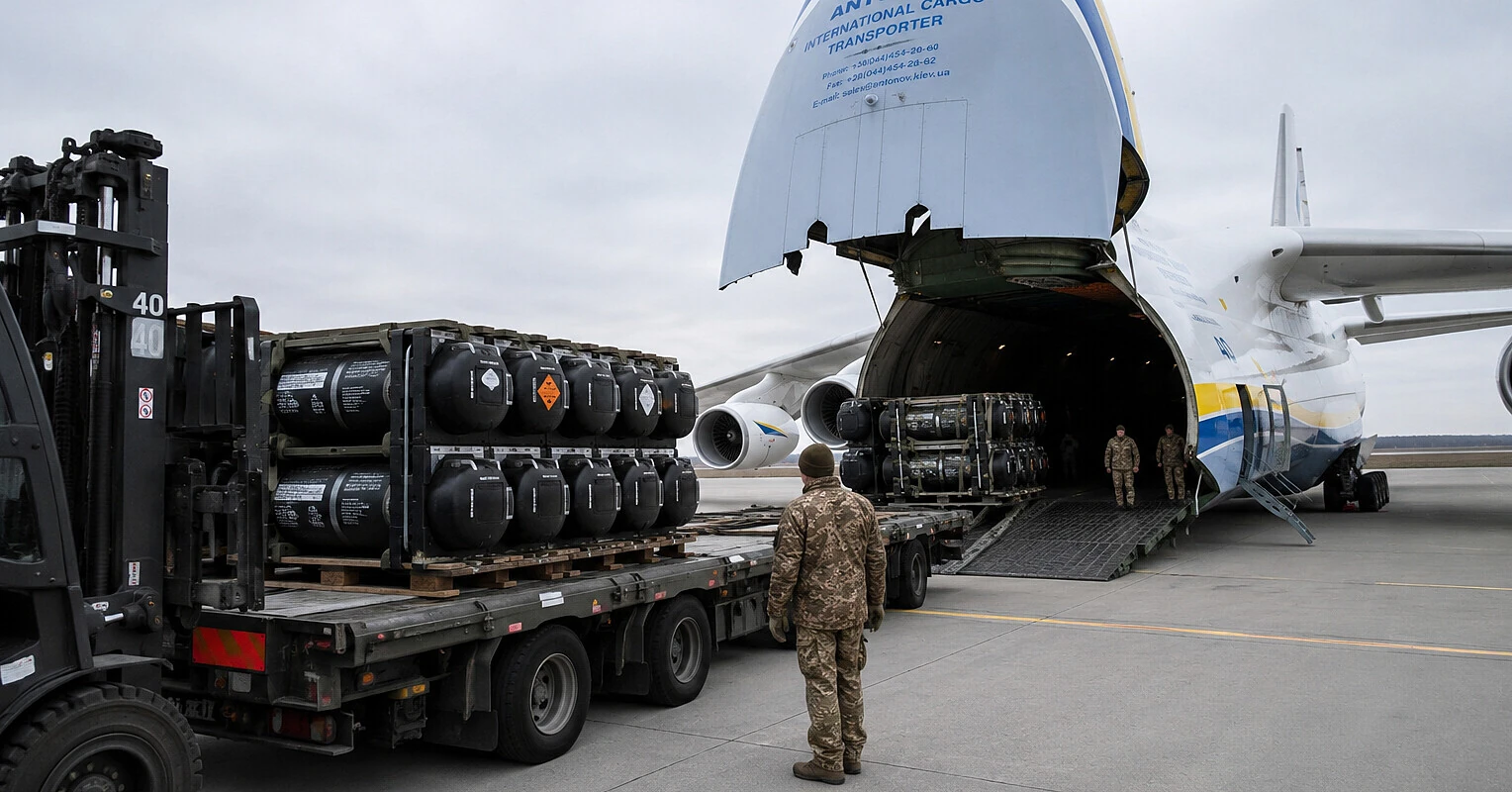
The volume of military aid allocated to Ukraine by international partners in June reached €7.2 billion. This is the highest monthly figure since April 2024, when support amounted to €9.04 billion, according to the Ukraine Support Tracker of the Kiel Institute for the World Economy.
The June result was the third-largest monthly volume of military aid since the start of the full-scale Russian invasion. The sharp increase came primarily thanks to new financing mechanisms of the European Union. It should be noted that this refers to committed aid, not necessarily weapons already physically delivered to Ukraine.
EU sharply increased funding
One of the main factors was the new Ukraine Support Loan. European institutions allocated €4.3 billion in military support in May and June. The mechanism itself provides a €90 billion loan to Ukraine to cover the country's financial and defense needs in 2026–2027.
Of the total amount, about €60 billion is earmarked for defense purchases, and another €30 billion for budget support. On June 30, the European Commission transferred the first €3.9 billion in defense funding for the purchase of drones.
In addition to financing through European institutions, individual countries also announced significant support volumes. Germany allocated about €700 million in the period under review, Denmark - €600 million, and the Netherlands - €500 million for Ukraine's military needs.
Long-term aid level remains lower
Despite the June surge, the Kiel Institute data show a less favorable picture over a longer time horizon. Until February 2025, international partners allocated an average of €3.46 billion per month in military aid to Ukraine. After the cessation of new direct U.S. appropriations, the monthly average dropped to €2.94 billion.
Thus, the high June figure does not yet indicate a restoration of the sustainable support level of previous years. The Kiel Institute considers the rapid launch of the European loan a positive signal, but the question of long-term financing remains open.
At the same time, American weapons continue to play an important role even after the reduction in direct U.S. financing. European countries purchase weapons from American manufacturers and receive systems from previously built stockpiles. In particular, the United States remains a key supplier of Patriot systems, for which Europe finds it difficult to find a full-fledged replacement so far.
According to Ukraine Support Tracker analysts, one of the key forward-looking questions will be the ability of the European defense industry to ramp up production and create alternatives to critical American systems. This will determine whether Europe can sustainably compensate for the reduction in direct U.S. involvement in military support for Ukraine.
Based on: Euractiv, European Commission, Council of the EU
