
US says it can blockade Iranian ports indefinitely
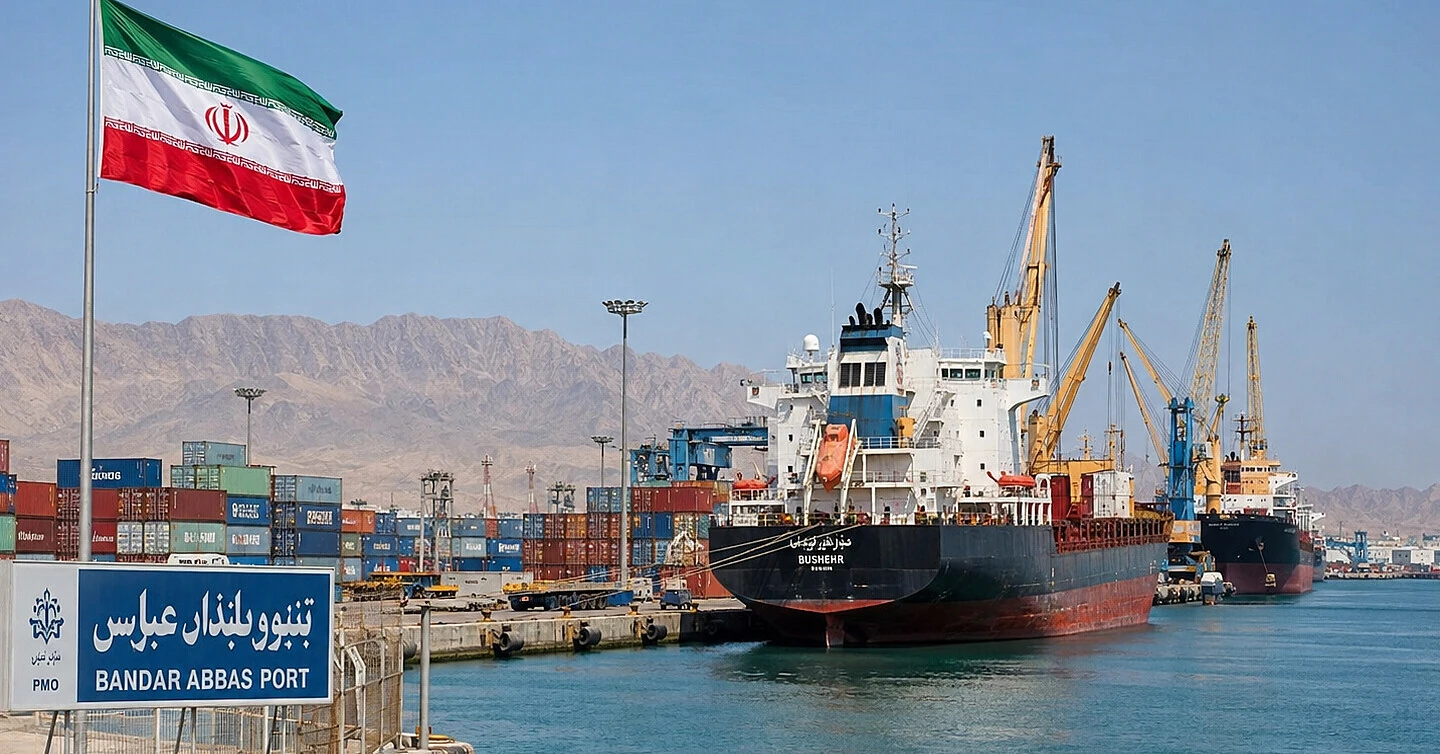
The US Navy is capable of maintaining a blockade of Iranian ports indefinitely, Defense Secretary Pete Hegseth stated on August 13. According to him, Washington only needs to rotate the ships in the region to continue the operation.
Hegseth made the statement in Panama after speaking to the crew of the guided-missile destroyer USS Gridley, which had previously participated in a deployment in the Middle East. The Pentagon chief indicated that the US has enough forces to maintain economic pressure on Iran for as long as necessary.
Thus, the administration of President Donald Trump has no military need to set a specific end date for the blockade. It remains one of Washington's main tools of pressure on Tehran amid so-far fruitless attempts to reach a political settlement of the conflict.
US resumed blockade of Iranian ports in July
The current phase of the naval blockade began on July 14. US Central Command announced that the restrictions apply to vessels heading to or departing from Iranian ports. At the same time, US military officials state that they do not impede the movement of ships that comply with the blockade conditions.
The first phase of the operation ran from April 13 to June 18. During that period, US forces, according to CENTCOM, diverted more than 140 commercial vessels, nine ships were disabled after refusing to comply with military demands. More than 50 vessels with humanitarian aid were allowed to pass through the blockade zone.
After the operation resumed, the US continued to use force against vessels that, according to US command, attempted to break through to Iranian ports. Reuters reports that during the current phase, the military has already diverted more than 55 commercial vessels, disabled three, and boarded two.
Earlier this week, a US MH-60 helicopter fired two Hellfire missiles at the engine room of a Panama-flagged vessel after its crew, according to the US side, failed to heed military warnings.
Tens of thousands of US military personnel in the region
Washington has concentrated significant forces in the Middle East for operations against Iran. In July, CENTCOM reported more than 50,000 US troops in the region. Reuters notes that the force also includes more than 20 warships.
The naval blockade was a US response to Iran's actions in the Strait of Hormuz. After the US-Israeli strikes on Iran began on February 28, Tehran effectively sharply restricted traffic through that route. Before the conflict, about a fifth of the world's oil and liquefied natural gas supplies passed through the Strait of Hormuz.
The day before, Trump said that the US has full control over the Strait of Hormuz and intends to keep it. Iran disagrees with that assessment and, despite months of US strikes, continues to claim its own control over the waterway. As a result, the standoff over the strait and Iranian ports remains one of the key risks for the global energy market and maritime trade.
