
Fuel queues reappear in Moscow amid strikes on refineries
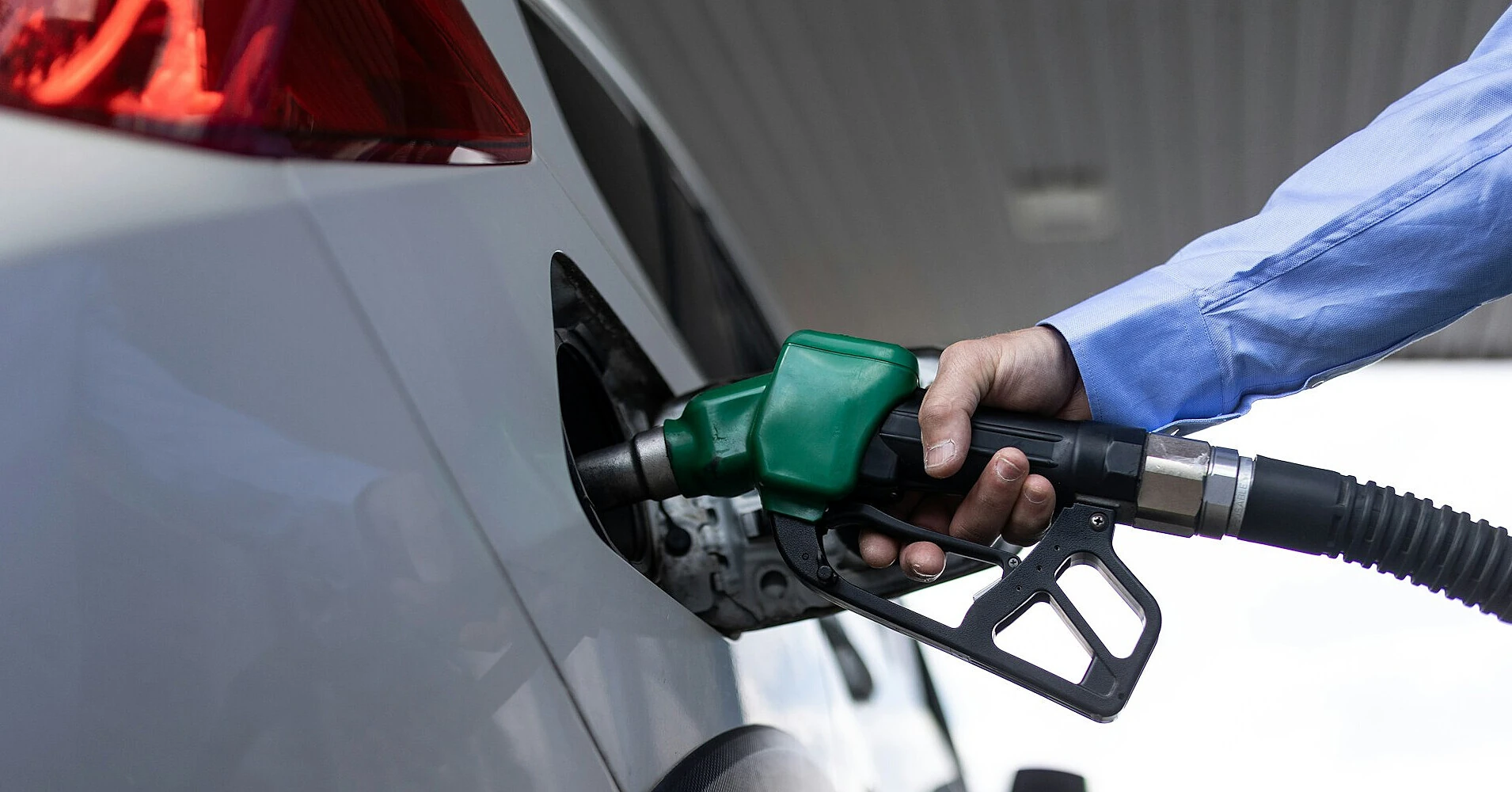
In Moscow and the Moscow region, fuel shortages have re-emerged after a period of partial stabilization of the fuel market. On the night of August 14, drivers reported closed gas stations, lack of gasoline, and queues at stations where fuel was still available.
This was reported by the independent outlet Astra, which received several videos from readers in Moscow and the Moscow region.
On Yaroslavskoye Highway, the federal highway M-8 between Sergeyev Posad and Moscow, some gas stations were closed, and some sold only diesel fuel. At other stations, according to witnesses, gasoline remained but was significantly more expensive.
One driver reported that at a particular station, AI-95 gasoline was sold for 100 rubles per liter. This refers to the price recorded by a witness at a specific station, not the average cost of gasoline in the Moscow region.
Problems were also recorded directly in Moscow. One Astra reader filmed a queue at a gas station on Butyrskaya Street near Savyolovsky Station at night. According to him, at some stations motorists left their cars in queues due to the lack of fuel.
Another video from Moscow captured a conflict between drivers over the queue. According to a witness, motorists waited for at least an hour when one driver tried to get to the pump from the other side.
Fuel problems are spreading again across Russian regions
According to Astra, after a new wave of attacks on Russian oil refineries, queues and restrictions on gasoline sales are being recorded in at least 12 Russian regions. Among them are Krasnodar and Primorsky Krais, Voronezh, Rostov, Ryazan, and Saratov Oblasts.
The situation is particularly difficult in Sochi, where, according to the outlet, queues for gasoline have persisted for four days. Local authorities sent volunteers to gas stations to organize traffic flows, and resellers appeared in the queues.
The current aggravation is taking place against the backdrop of new strikes on Russian oil refining infrastructure. In August, several refineries stopped or reduced operations. In particular, after a strike, the Orsk refinery in Orenburg Oblast completely ceased operations. Local authorities reported damage to key equipment, repairs to which, due to sanctions, could take up to six months.
Also in August, damage or shutdowns of capacities were reported at the Ryazan, Novokuibyshevsk and other Russian refineries. On August 13, Ukrainian forces claimed a strike on the large Gazprom Neftekhim Salavat complex in Bashkortostan.
Fuel problems in Moscow are not new. In June, the Moscow Refinery, the largest fuel supplier for the capital region, was shut down after a strike. In July, Russian authorities transferred gasoline to Moscow from other parts of the country and increased imports, which temporarily reduced queues.
Earlier, "Kurs Ukrainy" wrote that at the end of July, gasoline supplies in Russia had partially stabilized. However, the deficit was not fully overcome, and Russian refineries continued to operate at significantly lower loads due to damage and repairs.
New queues in the capital indicate that even the priority supply to the Moscow region has not eliminated its dependence on the stable operation of refineries and fuel supplies from other parts of the country.
Source: Astra, Reuters, The Guardian
