
US ramps up SM-3 production amid depleted stockpiles
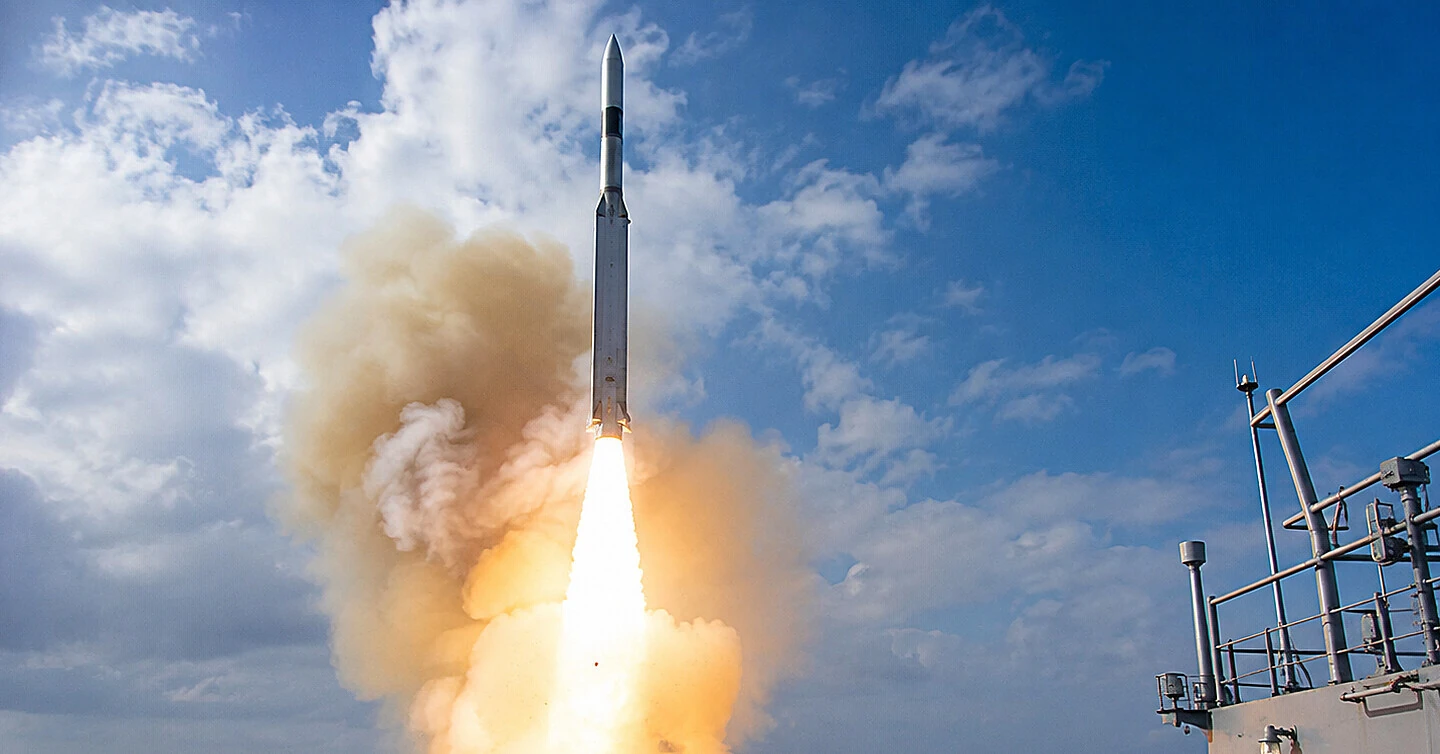
The US has reached agreements with Boeing and RTX to increase production of key components for Standard Missile-3 interceptors in two modifications — SM-3 Block IB and Block IIA. The new framework agreements are intended to eliminate bottlenecks in the supply chain and accelerate replenishment of the American missile defense arsenal.
The decision was made amid heightened expenditure of American high-tech munitions during the war with Iran. Exact remaining stocks of SM-3 are classified, but independent estimates point to a significant reduction in inventory. The Center for Strategic and International Studies previously calculated that at existing production rates, rebuilding SM-3 stockpiles could take about three years.
The SM-3 is designed primarily to destroy ballistic missiles outside the atmosphere. Instead of a conventional explosive warhead, the interceptor uses a kinetic vehicle that directly collides with the target at high speed. The missiles are part of the Aegis missile defense system and can be launched from both ships and ground-based Aegis Ashore complexes.
The Block IB modification is used against short- and medium-range ballistic missiles. In April 2024, these interceptors were used in actual combat for the first time — American ships employed them against Iranian ballistic missiles targeting Israel.
The SM-3 Block IIA is a more powerful version developed by the US jointly with Japan. It features enlarged rocket motors and an improved kinetic interceptor, enabling it to hit targets faster and defend a significantly larger area.
Back in February, RTX signed long-term agreements with the Pentagon for accelerated production of several of the most in-demand weapons types. In addition to the two SM-3 versions, the program includes Tomahawk cruise missiles, air-launched AMRAAMs, and multi-role SM-6s. Some of these munitions are planned to be produced at two to four times previous rates.
For the SM-3 Block IB, US authorities effectively restarted a production line that had previously been slated for closure. In March, the Pentagon increased the order by an additional 23 interceptors — to 78 missiles under the current contract. The work is to be performed at facilities in Arizona and Alabama through May 2030.
The scale of further expansion is also evident from the draft US defense budget for fiscal year 2027. The Pentagon intends to purchase 78 SM-3 Block IB missiles and 136 newer SM-3 Block IIA missiles — a total of 214 interceptors. By comparison, the overall SM-3 procurement plan for fiscal year 2026 is significantly lower.
The expansion of SM-3 production is part of a broader US program to accelerate the replenishment of missile stockpiles. In recent months, the Pentagon has been signing long-term agreements not only with prime contractors but also with manufacturers of individual critical components, so that companies can invest in advance in additional capacity, equipment, and personnel.
Based on: RTX, US Department of Defense
