
Dniester and Danube are shallowing: in southern Ukraine they assessed the threat of water shortage
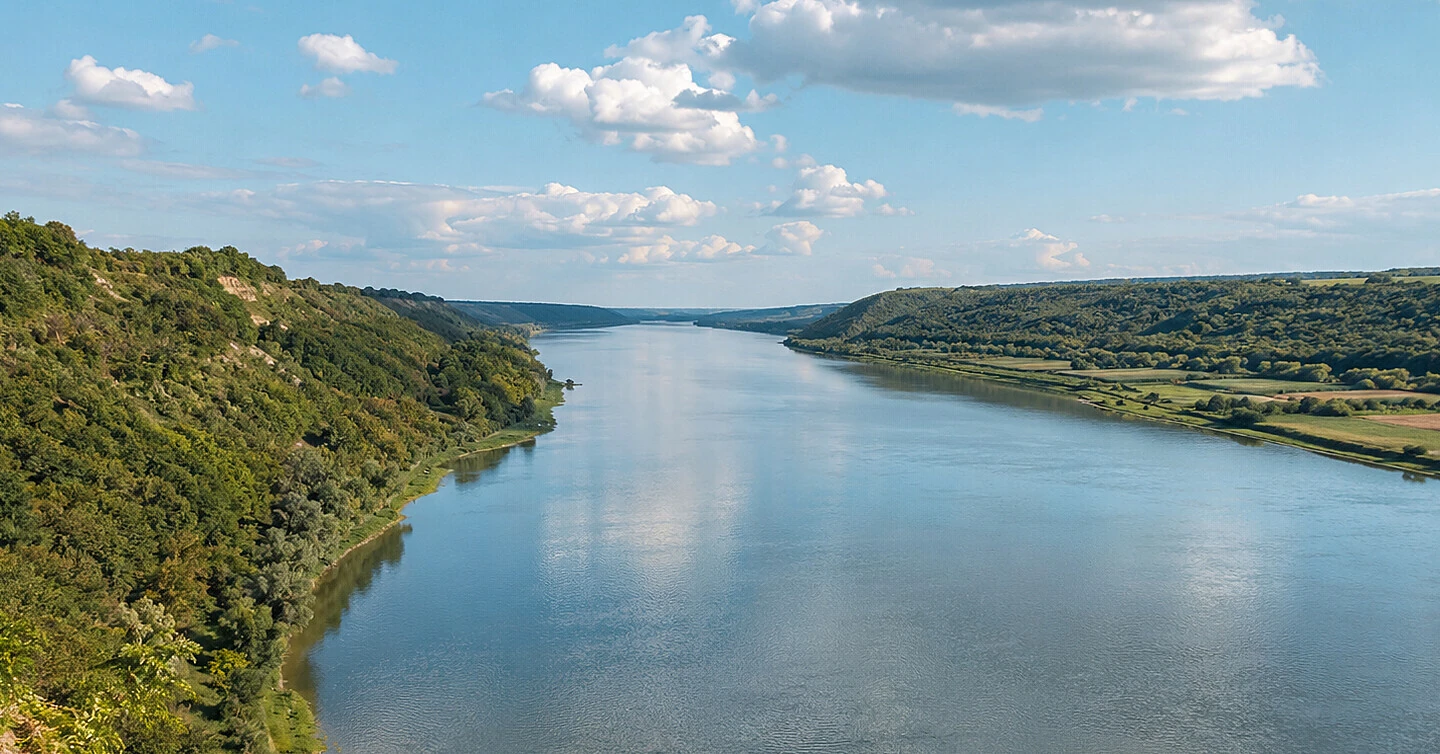
In the south of Odessa region water levels in the Dniester and Danube continue to drop. The main reasons are the prolonged heat, high evaporation and lack of precipitation. The situation worries because both rivers are key for drinking water supply in the region.
The Dniester is especially important, because Odessa and a significant part of adjacent settlements get water from it. On the Danube there are drinking water intakes that supply, in particular, Kiliya and Vilkovo. The Basin Water Resources Management is also monitoring strategic water intake points on the Dniester and Danube.
The drop in the rivers level alone does not mean water will disappear from centralized systems in the near future. The key factors are the duration of the low-water period, the flow volume, the operability of water intake facilities and water quality. The longer heat and absence of significant precipitation persist, the greater the load on water resources and infrastructure.
The problem is especially visible in the Danube part of the region. Earlier, heat and precipitation deficit led to lowering levels not only of the Danube itself, but also of lakes connected to it. In some water bodies authorities already had to use forced filling with river water to prevent them from dropping to critically low marks.
Meanwhile specialists continue monitoring not only quantity, but also water quality. In June 2026 the laboratory of the Basin Management analyzed 52 surface water samples in Odessa region, including five samples at drinking water intake points. Monitoring covers the basins of the Dniester, Danube and rivers of the Black Sea region.
For Odessa region the water availability question is especially sensitive due to limited reserves of high-quality groundwater. Southern districts of the region largely depend on surface sources, first of all the Dniester, Danube and Danube lakes. Therefore prolonged low water may create problems not only for drinking water supply, but also for agriculture, irrigation and ecosystems.
The greatest risks will arise if dry weather persists and water level keeps falling. In that case additional measures may be needed for regulating water intake and filling water bodies connected to the Danube. So far specialists continue observing the situation and the state of the main water supply sources of the region.
Based on materials: Suspilne Odesa, Basin Water Resources Management of the rivers of the Black Sea region and the lower Danube
