
Metal critical for defense industry has risen in price ninefold
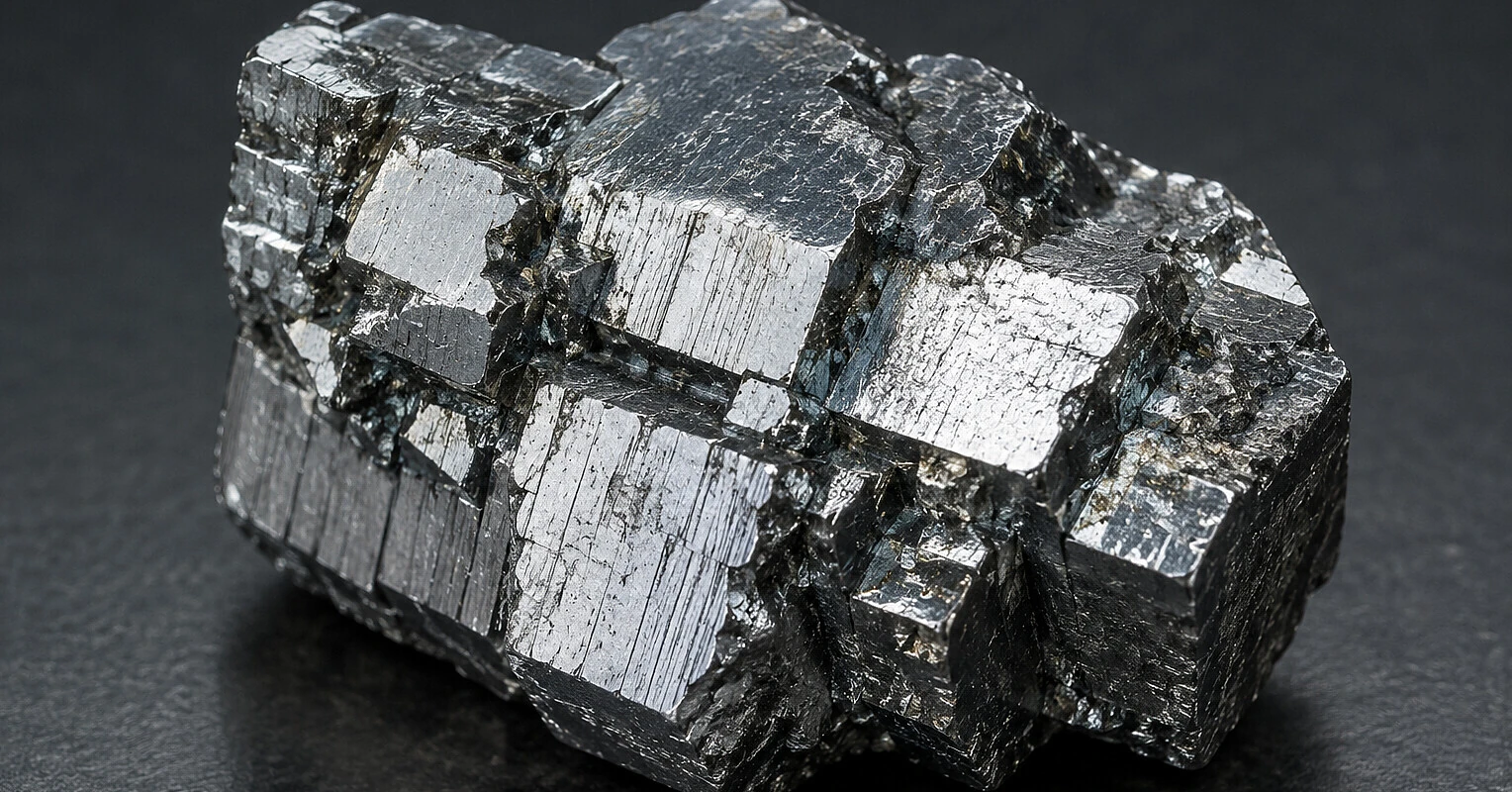
The cost of tungsten on the Western market has grown roughly ninefold over a year and a half amid export restrictions from China and a supply shortage. The price surge is already creating problems for the defense, aviation, semiconductor, and other industries where this metal is practically impossible to replace quickly.
A key market benchmark is the price of ammonium paratungstate (APT)—the main intermediate product for producing tungsten oxides, carbide, and tungsten metal. At the beginning of 2025, the Western APT benchmark was about $330 per metric ton unit, and by mid-2026 it exceeded $3,000.
The U.S. Environmental Technologies Trade Advisory Committee under the U.S. Department of Commerce cites similar figures: from about $300 in mid-2024, the APT price rose to $3,000 in mid-2026. For some tungsten products, American buyers reported spot price increases of more than 1,000%.
At the same time, delivery times have increased sharply. Previously, obtaining the material usually took four to six weeks; now companies wait from 12 to 20 weeks. Some suppliers have stopped accepting new orders altogether.
One of the main reasons for the shortage is China's export restrictions. Starting February 4, 2025, Beijing introduced export licensing for a range of tungsten-related goods and technologies, including APT, tungsten oxide and carbide, as well as certain alloys. China explained the decision by national security considerations and the dual—civilian and military—use of the products.
The global market's dependence on China remains very high. According to the U.S. Geological Survey, in 2024 the country accounted for about 82% of global tungsten production. Therefore, even a relatively small reduction in available export volumes quickly affects prices outside China.
The shortage is especially acute for the defense industry. Tungsten is used in high-temperature alloys, turbine components, munitions, and other systems requiring high density, strength, and resistance to extreme temperatures. American defense contractors are already facing rising component costs and procurement delays.
The metal is also needed in the production of cutting tools, aviation industry equipment, semiconductors, coatings, and a number of energy infrastructure components. In many areas, quickly replacing it with other materials is impossible without deteriorating product characteristics.
The United States and its allies are trying to reduce dependence on Chinese supplies through new mining projects, development of processing, and secondary use of the metal. In the United States, recycled tungsten already provides about 30–35% of domestic consumption. Among potential alternative sources of supply, South Korea, Vietnam, Australia, Kazakhstan, Canada, and European Union countries are being considered.
Based on materials from: NRC, U.S. Department of Commerce, USGS
