
Yield on 30-year US Treasuries hits highest since 2007
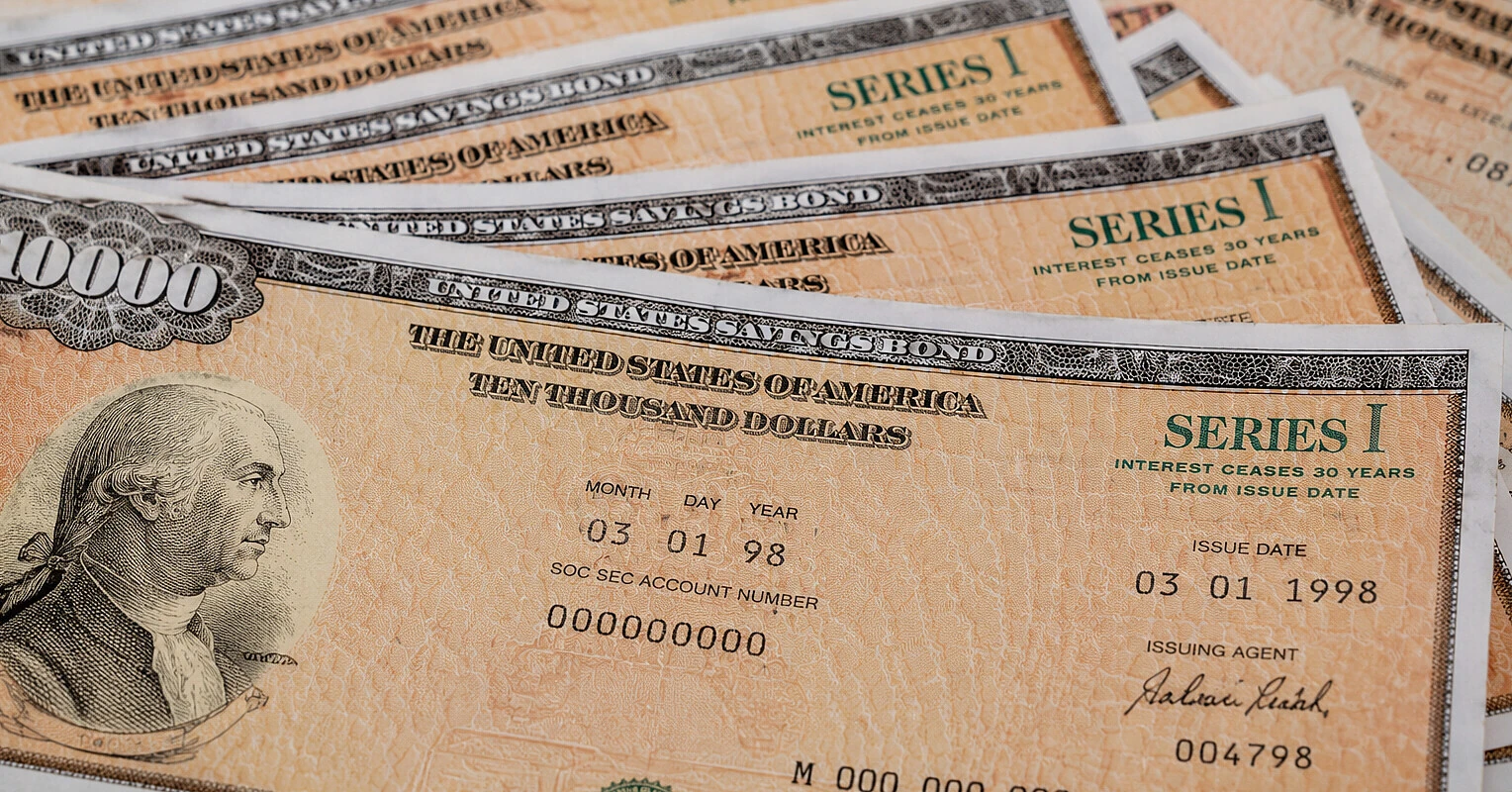
The yield on 30-year US government bonds rose to 5.31% on August 17, reaching its highest level in almost 19 years. It last traded above 5.3% in June 2007.
The rise in yields accelerated in the second half of trading after another jump in oil prices. Brent again topped $90 a barrel amid fears of further escalation between the US and Iran and possible supply disruptions through the Strait of Hormuz.
Higher energy prices reinforced investors' inflation concerns. If high oil prices persist, they could raise companies' transportation and production costs and feed into consumer prices. That, in turn, could limit the Federal Reserve's ability to cut interest rates quickly.
The yield on 10-year US Treasury notes also rose to about 4.725% compared with 4.695% at the previous close.
Bond yields move inversely to prices. When investors sell already-issued securities, their prices fall and yields rise. Therefore, the current move means more expensive long-term borrowing for the US government.
The high cost of servicing the debt is becoming an increasingly noticeable problem for the US. A few days before the new market high, the Treasury sold 30-year bonds worth $25 billion at a yield of about 5.22% — the highest cost for such an issuance since 2001.
Rising yields on long-term Treasuries have consequences beyond the government budget. These securities serve as one of the key benchmarks for the cost of money in the global financial system. Higher yields can put pressure on mortgage and corporate loan rates, companies' cost of capital, and equity valuations.
On August 17, the US stock market closed lower. The Dow Jones lost about 0.5%, the S&P 500 also fell about 0.5%, and the Nasdaq Composite slipped 0.3%. Rising oil prices and higher government bond yields simultaneously pressured equities.
Sources: The Wall Street Journal, Financial Times
