
IAEA finds several tons of nuclear material in Syria
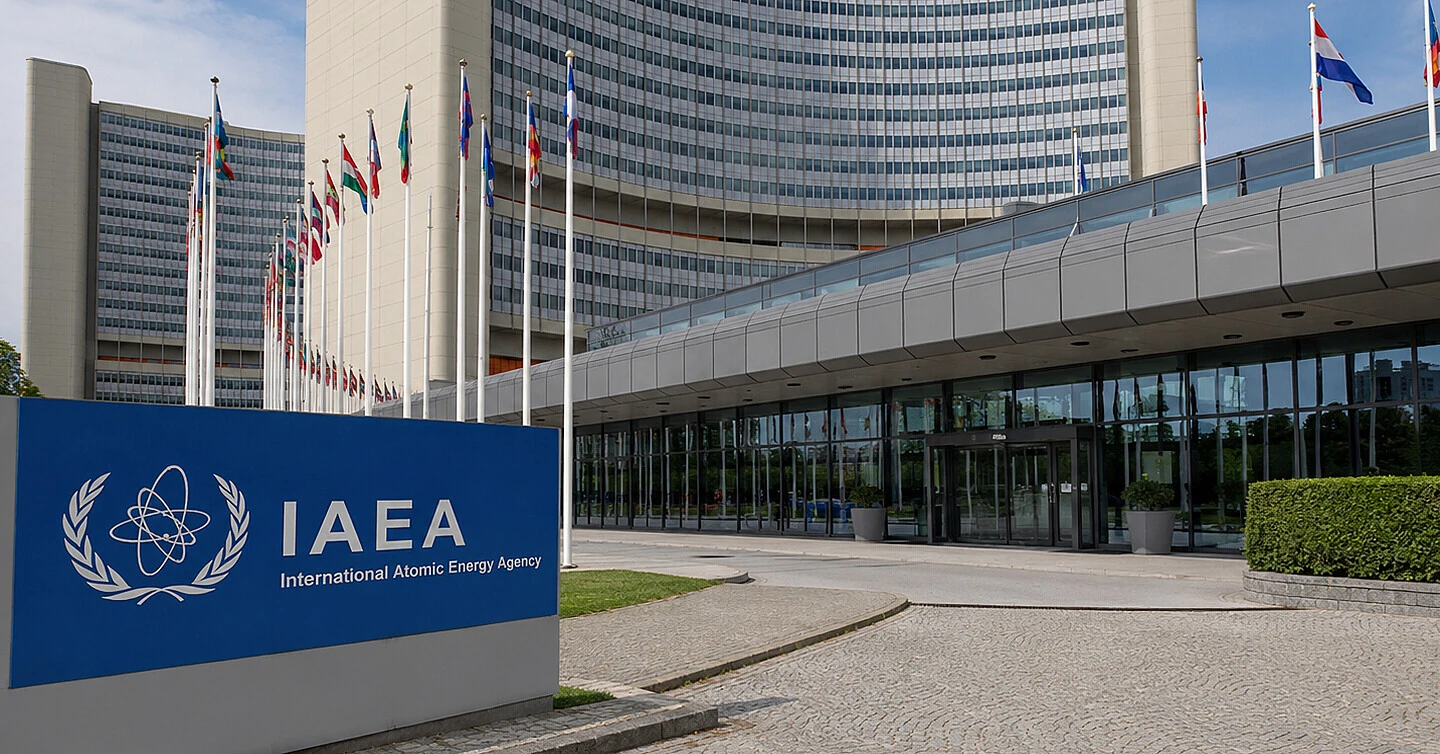
The International Atomic Energy Agency found several tons of nuclear material in Syria at a previously undeclared site associated with the activities of the country's former authorities. IAEA Director General Rafael Grossi announced this on 18 August.
According to the agency's head, this concerns several tons of material that could theoretically be misused. The exact composition of the substance, its enrichment level and the location of the facility are not being publicly disclosed. Syrian authorities granted IAEA inspectors access to the site and agreed to place the discovered materials under international control.
Grossi stressed that accounting for this material is of great importance from the standpoint of nuclear security and non-proliferation. The IAEA must establish its origin, volume and characteristics, after which the material will be under the agency's safeguards system.
Inspectors working at former nuclear programme sites
At the same time, IAEA experts are conducting large-scale work at a facility in Deir ez-Zor province. Grossi said that inspectors are carrying out excavation and examination of the area to definitively establish the nature of Syria's nuclear activities during Bashar al-Assad's rule.
This site is linked to an undeclared reactor in Deir ez-Zor that was destroyed by an Israeli airstrike in 2007. In 2011, the IAEA Board of Governors found Syria to be in non-compliance with its safeguards agreement due to the construction of the undeclared reactor. The investigation into the circumstances of its construction continued for many years.
In 2024, IAEA inspectors gained access to three sites believed to be related to the Deir ez-Zor complex and took environmental samples there. Subsequent analysis revealed significant quantities of anthropogenic natural uranium particles at one of the locations. Some of them were consistent with the processing of uranium concentrate into uranium oxide.
Following the change of government in Syria, Damascus's cooperation with the international agency expanded. President Ahmed al-Sharaa agreed to provide the IAEA with access to sites related to the country's previous nuclear activities. In July, he again met with Grossi in Damascus, together with Foreign Minister Asaad al-Shibani and the head of the Syrian Atomic Energy Commission.
Syria says the material poses no threat
Syrian Foreign Minister Asaad al-Shibani stated that, according to Damascus's technical assessment, the discovered material presents no danger. The Syrian authorities intend to keep it in the country, but it will be under IAEA safeguards and control.
The new Syrian authorities also express interest in developing peaceful nuclear energy. At the same time, the key task of the IAEA remains closing the unresolved issues related to the previous regime's undeclared nuclear activities and confirming that all relevant materials are under international control.
Earlier in August, it became known about agreements reached with US mediation regarding another secret Syrian facility where nuclear materials were stored. It was expected that the IAEA would ensure their security and subsequent control.
