
Brussels did not support Trump's attempt to soften relations with North Korea
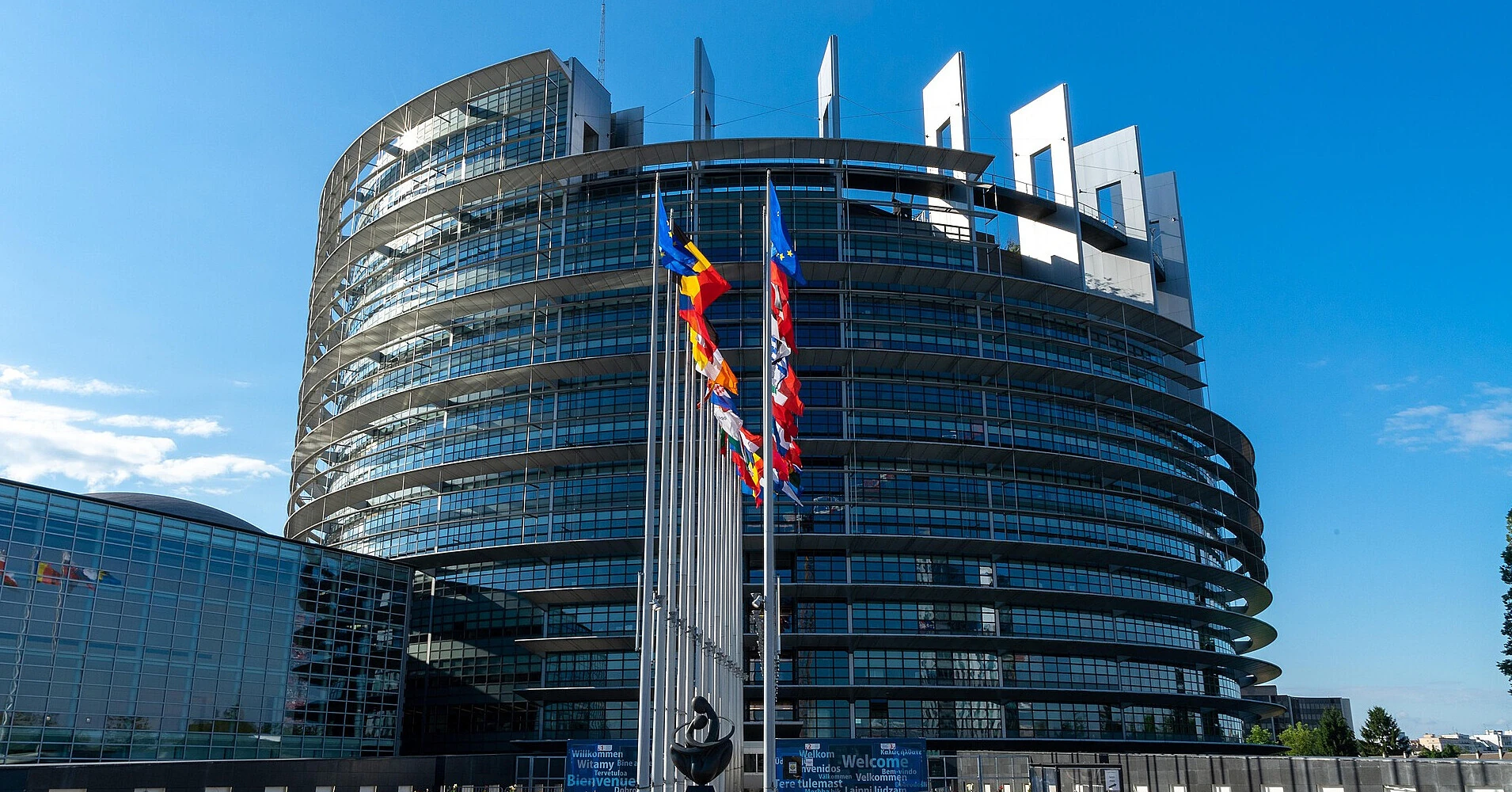
The European Union does not intend to soften its stance towards North Korea following the new diplomatic move by US President Donald Trump. Brussels continues to insist on the complete denuclearization of the Korean Peninsula and Pyongyang's implementation of UN Security Council resolutions.
The divergence emerged after Trump ordered a significant reduction of the joint US-South Korea Ulchi Freedom Shield military exercises. The American president explained the decision, among other things, by his good relations with North Korean leader Kim Jong-un and stated that North Korea behaved "unthreateningly and respectfully" during his presidency.
Trump also called the US-South Korean maneuvers too expensive and said they send an "inappropriate and hostile" signal to Pyongyang. The exercises began on August 17, but the Pentagon was instructed to reduce their scale. Initially, about 18,000 South Korean troops were to participate in the maneuvers along with US forces and representatives of other UN Command countries.
EU maintains demand for complete denuclearization
The European Union's approach remains stricter. The EU's official position states that North Korea must abandon nuclear weapons, other weapons of mass destruction and ballistic missiles in a complete, verifiable and irreversible manner. Brussels also emphasizes that North Korea cannot obtain the status of a nuclear-weapon state under the Treaty on the Non-Proliferation of Nuclear Weapons.
At the same time, the EU advocates a diplomatic settlement and Pyongyang's return to substantive negotiations. However, the European position presupposes maintaining international pressure: the current UN sanctions against North Korea, as Brussels has repeatedly emphasized, remain in force.
Thus, the issue is not the EU's refusal to engage in dialogue with North Korea, but a difference in approaches. Trump is now focusing on personal relations with Kim Jong-un and reducing military tension, while the European Union links sustainable normalization primarily with Pyongyang's fulfillment of its nuclear disarmament obligations.
Trump announced contacts with Kim Jong-un
On August 17, Trump told reporters that Kim Jong-un had already responded to his initiatives. Asked about the state of contacts with the North Korean leader, the US president said the situation was developing "very positively", but did not disclose details of possible negotiations.
The reduction of the exercises caused concern in South Korea. President Lee Jae-myung emphasized the importance of a strong alliance with the US on August 18, but at the same time called for accelerating the transfer of wartime operational control of its own troops to Seoul and strengthening the country's independent defense capabilities.
An additional factor for the EU remains North Korea's military cooperation with Russia. At the June EU-South Korea summit, the parties condemned the transfer of North Korean military assistance to Moscow and demanded an end to cooperation that violates UN Security Council resolutions. Brussels also expresses concern about the possible transfer of Russian missile and nuclear technologies to Pyongyang.
Based on materials from: Euractiv, European External Action Service
