
Germany extends enhanced controls on all land borders
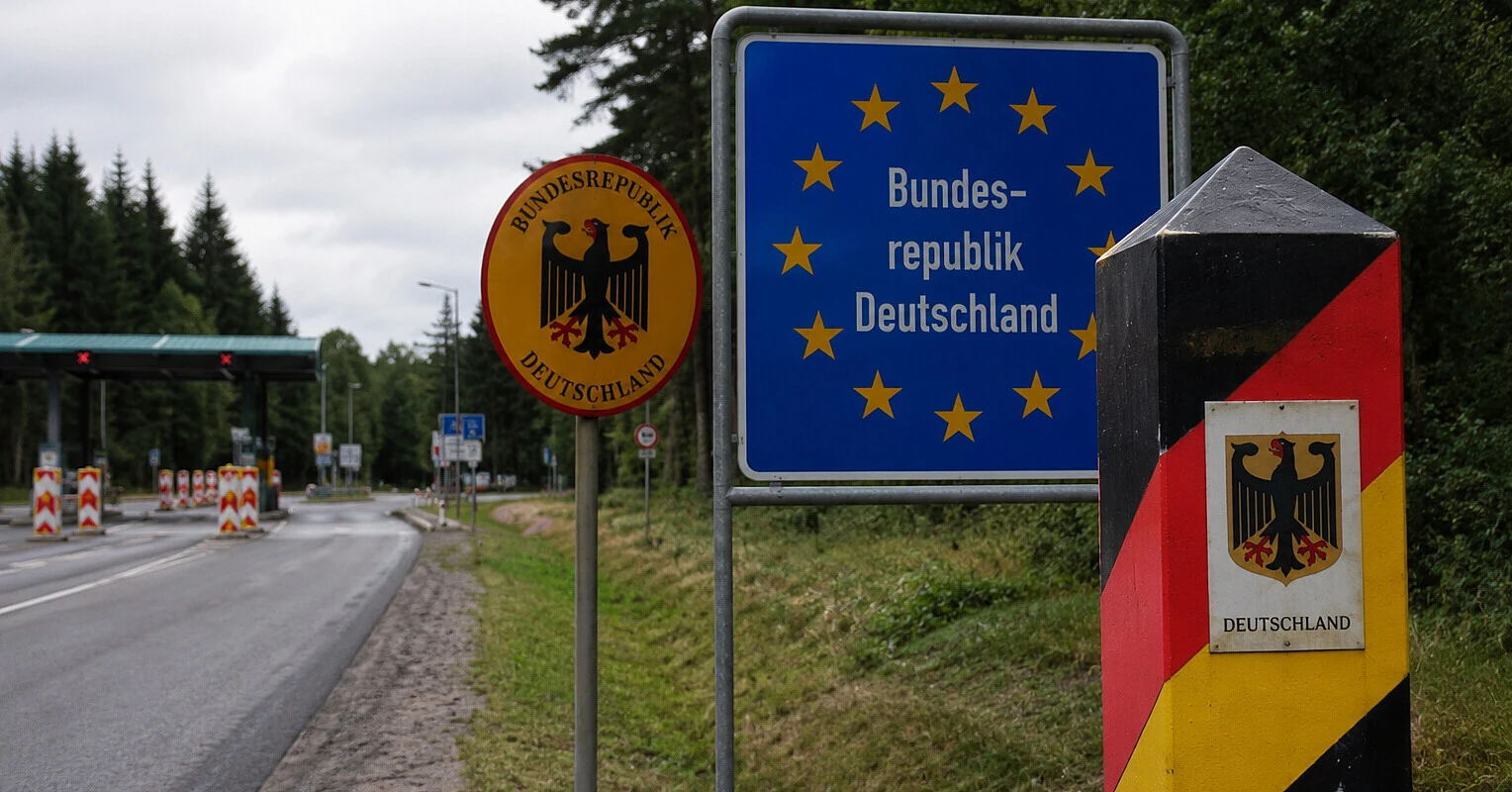
Germany intends to extend temporary controls on all its land borders for another six months — at least until mid-March 2027. The federal government has already notified the European Commission of the decision.
German media reported this on August 18, citing the German Interior Ministry. The current period of border controls runs until September 15, 2026. The new extension is to take effect immediately after it ends.
Thus, if the European Commission does not object to Berlin's decision, checks at German borders will remain for another six months — approximately until mid-March 2027.
Where Germany will continue checks
Border controls are in force on all of Germany's land borders. This refers to the borders with Poland, the Czech Republic, Austria, Switzerland, France, Luxembourg, Belgium, the Netherlands and Denmark.
This is also of practical importance for Ukrainians traveling to Germany by car and bus, particularly via Poland and the Czech Republic. Checks within the Schengen area do not mean border closures, but police may stop vehicles and check passengers' documents. Delays are possible at certain points and on major transport routes because of this.
Germany reinstated controls on all its land borders on September 16, 2024. Since then, the regime has been extended several times. The most recent extension covers the period from March 16 to September 15, 2026.
Why Berlin is maintaining border controls
Germany's Interior Minister Alexander Dobrindt explains the decision by the situation with illegal migration. According to him, events at the EU's external borders show that continued controls remain necessary to reduce illegal migration.
Dobrindt previously stated that Germany intends to keep checks after September as well. At the end of July, he again justified this stance by the migration situation in Europe and the need to counter illegal border crossings.
Germany's official notification also cites the high level of irregular migration, the activities of smugglers of illegal migrants, and the burden on the asylum reception system as reasons for the current controls.
Border controls cause controversy in the EU
Internal borders of Schengen area countries should normally remain open, and temporary border controls are permitted as an exceptional measure in the event of threats to public order or internal security.
The European Commission has previously urged countries to gradually phase out long-term checks at internal borders and seek alternative ways of migration control. However, Berlin insists that the current measures remain necessary.
For ordinary travelers, the extension of the regime primarily means that when traveling to Germany from neighboring countries, they should be prepared for possible document checks and extra travel time.
Based on materials from: Tagesschau, European Commission
