
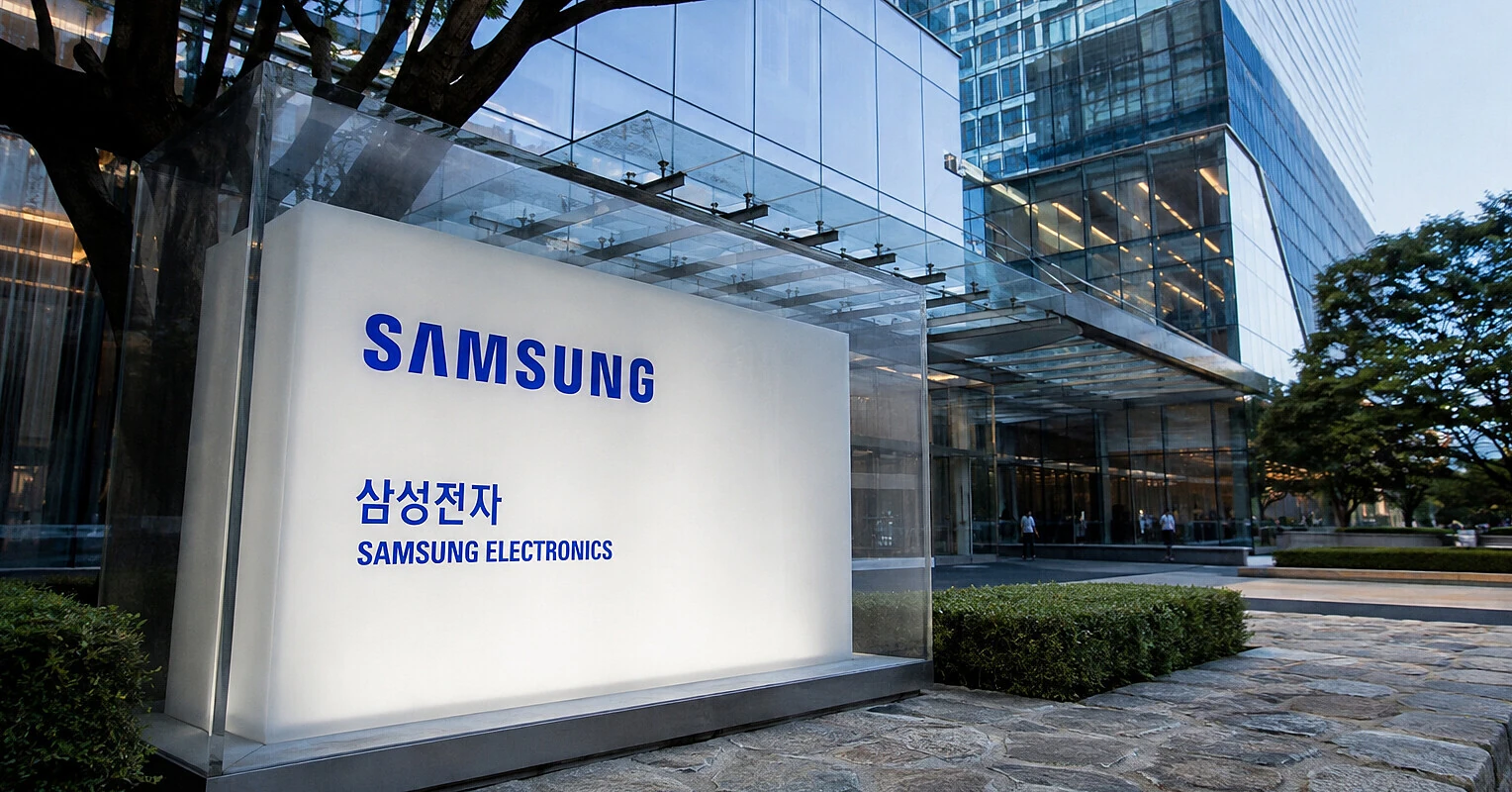
Samsung Electronics has faced a sharp increase in memory prices for its mobile business. In the first half of 2026, the average price that the Device eXperience division paid for mobile memory from external suppliers rose by approximately 211% compared to the average for 2025.
This was reported by The Korea Herald citing Samsung Electronics' semi-annual report.
It refers specifically to the procurement cost of mobile memory for the Device eXperience division, which includes Samsung's smartphone business. Therefore, the 211% figure does not mean that Galaxy smartphones or retail memory prices rose by the same proportion.
However, the scale of the jump shows how much the global memory shortage is already affecting the cost of consumer electronics.
Samsung both gains and loses from expensive chips
The situation is unusual for Samsung because the company is one of the world's largest memory producers, but its various business divisions find themselves on different sides of the current price boom.
The semiconductor division Device Solutions benefits from the shortage. In its second quarter report, Samsung said that the memory business set new records in revenue and operating profit. The company explicitly cited industry-wide price increases as one of the reasons.
Instead, the mobile business is forced to buy some components at significantly higher prices. The Mobile eXperience and Networks divisions in the second quarter generated 33.2 trillion won in revenue and recorded an operating loss of 0.7 trillion won. Samsung cited high component price pressure as one of the reasons for the deterioration.
The company expects high component costs to remain a problem in the second half of the year. Samsung plans to offset it through sales of more expensive flagship devices and improved operational efficiency.
Why memory prices are rising
The main factor remains the AI infrastructure boom. Memory manufacturers are increasingly directing capacity to higher-margin server products - HBM, server DRAM, and enterprise SSDs.
Because of this, supply remains limited in traditional segments, including smartphones and personal computers. Samsung itself predicts that the memory market shortage will persist through the second half of 2026, despite some weakening of demand from mobile device and PC makers.
Course of Ukraine previously wrote that the production shift to AI server memory has already spread the shortage to standard DRAM, SSDs, and mobile memory. For smartphone and computer manufacturers, this means higher device costs.
Moreover, Samsung's procurement price jump alone does not mean new Galaxy devices have risen by the same proportion. The final impact on retail prices will depend on how much of the additional costs the company absorbs through its own margins, device configuration changes, and savings on other components.
