
Gasoline shortage triggered a new surge in demand for canisters in Russia
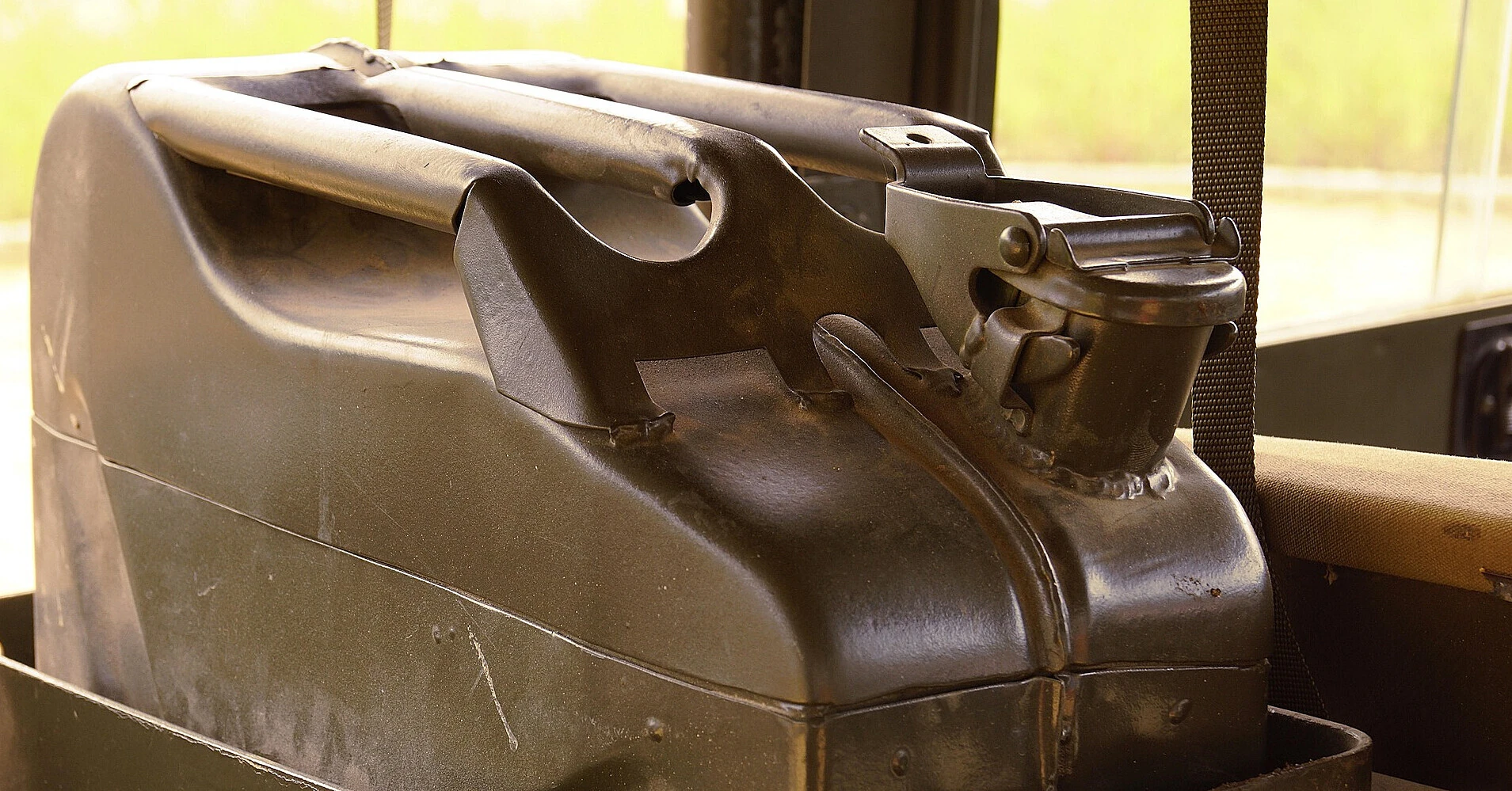
In Russia, interest in canisters for storing gasoline has sharply increased amid a second wave of fuel shortage and the return of queues and restrictions at gas stations. During the week from August 12 to 18, the number of search queries "gasoline canister" on Wildberries increased fourfold compared to the previous seven days and exceeded 106 thousand. Such data is provided by Verstka, which gained access to the marketplace's internal statistics.
On average, Wildberries users searched for canisters more than 15 thousand times per day. Moreover, the growth of interest is noticeable not only on the marketplace. According to Yandex Wordstat, from August 10 to 16, the query "canister" was entered over 450 thousand times—39% more than the previous week. The query "gasoline canister" over the same period got 139 thousand requests, which is 71% higher than the indicator at the beginning of August. Google Trends shows similar dynamics.
Interest in such goods already spiked during the first wave of fuel problems in July, after which, by the end of the month, it began to decline. In mid-August, the indicator went up again. The price of canisters on Russian marketplaces now ranges roughly from 1 thousand to 12 thousand rubles depending on the volume and material.
In reviews, some buyers directly link the purchase of containers to the need to stand in queues at gas stations less often and the desire to have a fuel reserve. At the same time, users warn that some sellers offer plastic containers labeled as intended for food liquids under the guise of fuel canisters.
Russia acknowledged a second wave of fuel problems
The new surge of interest in canisters coincided with another deterioration of the situation on the Russian fuel market. Deputy Prime Minister Alexander Novak acknowledged on August 19 that a "second phase" of the tense situation is now taking shape. According to him, the authorities expect several refineries to return to operation soon after repairs.
Problems intensified again after some improvement at the end of July. In August, a number of Russian regions returned restrictions on gasoline sales. In the Orenburg and Lipetsk regions, fuel dispensing was introduced depending on even and odd vehicle numbers; in some regions, limits were set on the amount of gasoline for one car. Restrictions also appeared at gas stations in Moscow and the Moscow region.
Russian Energy Minister Sergei Tsivilev also acknowledged the presence of queues at gas stations on August 18. On the same day, Novak instructed departments and oil companies to strengthen control over fuel supplies to regions. Russian authorities explain the current situation by production cuts at some refineries, repairs, logistical problems, and increased demand.
Moscow restricts gasoline sales
The problems have reached the Russian capital region. In Moscow, restrictions on gasoline dispensing are in effect at certain network gas stations. Gazprom Neft reported a limit of up to 60 liters per car, at Tatneft gas stations up to 50 liters. On the evening of August 18, AI-95 gasoline, according to the customer service of Neftmagistral, remained only at one station of this network in Moscow.
To stabilize the market, the Russian government from August 1 introduced a new ban on gasoline and other fuel exports. The restrictions on gasoline are to remain in effect until January 31, 2027. In addition, the authorities allowed until July 2027 the production and circulation of gasoline of lower environmental classes K2, K3, and K4. Novak said on August 19 that Russia has also begun importing petroleum products.
Thus, the new wave of Russians' interest in canisters coincided not only with reports of disruptions in certain regions but also with the official acknowledgment by the authorities of a repeated worsening of the situation on the fuel market. At the same time, Wildberries and search engine statistics show primarily a growth in interest in buying canisters, not an actual fourfold increase in their sales.
Based on materials from: Verstka, Government of the Russian Federation
