
Spain opposes new US sanctions against the ICC
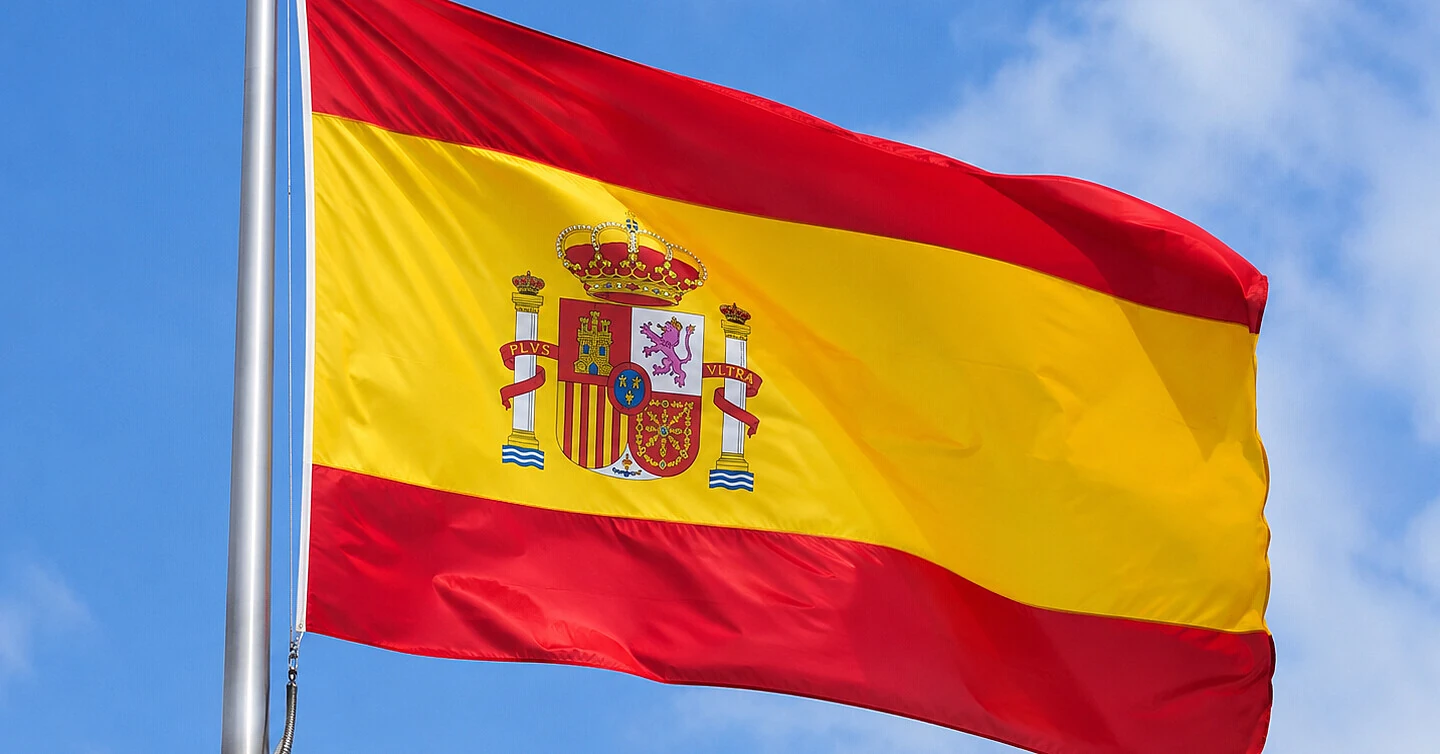
Spain condemned the US decision to impose sanctions on two senior officials of the International Criminal Court (ICC) — the court's President Tomoko Akane and Senior Trial Lawyer of the Office of the Prosecutor Abdoulaye Seck. Madrid called the American restrictions a direct attack on the independence of the international court.
The Spanish Ministry of Foreign Affairs stated on August 19 that the sanctions constitute a "flagrant attack" on the independence, integrity, and impartiality of the ICC. The ministry stressed that the court's authority is based on the Rome Statute, adopted by its States Parties.
Spain also expressed solidarity with the judges, prosecutors, and other ICC staff affected by the American restrictions. Madrid assured that it will continue to fulfill its obligations under the Rome Statute and international law and to enable the court to exercise its jurisdiction.
US imposes sanctions on two ICC officials
The new restrictions were announced on August 18 by US Secretary of State Marco Rubio. The sanctions target Japanese national Tomoko Akane, who serves as President of the International Criminal Court, and Senegalese national Abdoulaye Seck, who works as a Senior Trial Lawyer in the ICC Office of the Prosecutor.
Washington claims that both officials were directly involved in ICC actions related to the investigation, possible arrest, detention, or prosecution of officials from states that have not recognized the court's jurisdiction. The US accuses the ICC of attempting to extend its authority to American citizens and officials of other countries that have not ratified the Rome Statute.
Rubio stated that the Donald Trump administration intends to continue the campaign against the ICC and is ready to impose additional restrictions. Washington also called on other countries to stop funding the court and participating in its work. Spain took the opposite position, calling the ICC one of the key institutions of international criminal justice.
Sanctions mechanism has been in effect since 2025
The restrictions are imposed under presidential executive order No. 14203, signed by Donald Trump in February 2025. The document allows the freezing of property and assets of sanctioned individuals and provides for restrictions on their entry into the United States.
The White House explained the introduction of this regime by the desire to protect US military and officials, as well as representatives of allied states, from prosecution by a court whose jurisdiction Washington does not recognize. The United States is not a party to the Rome Statute of the International Criminal Court.
Spain, on the contrary, stated that the sanctions will not change its attitude towards the ICC. According to Madrid's position, the court performs an indispensable function in ensuring accountability for the gravest international crimes and protecting the rights of victims.
Sources: Spanish Ministry of Foreign Affairs, US State Department, White House
