
India lifted years-long restrictions on wheat exports amid Black Sea problems
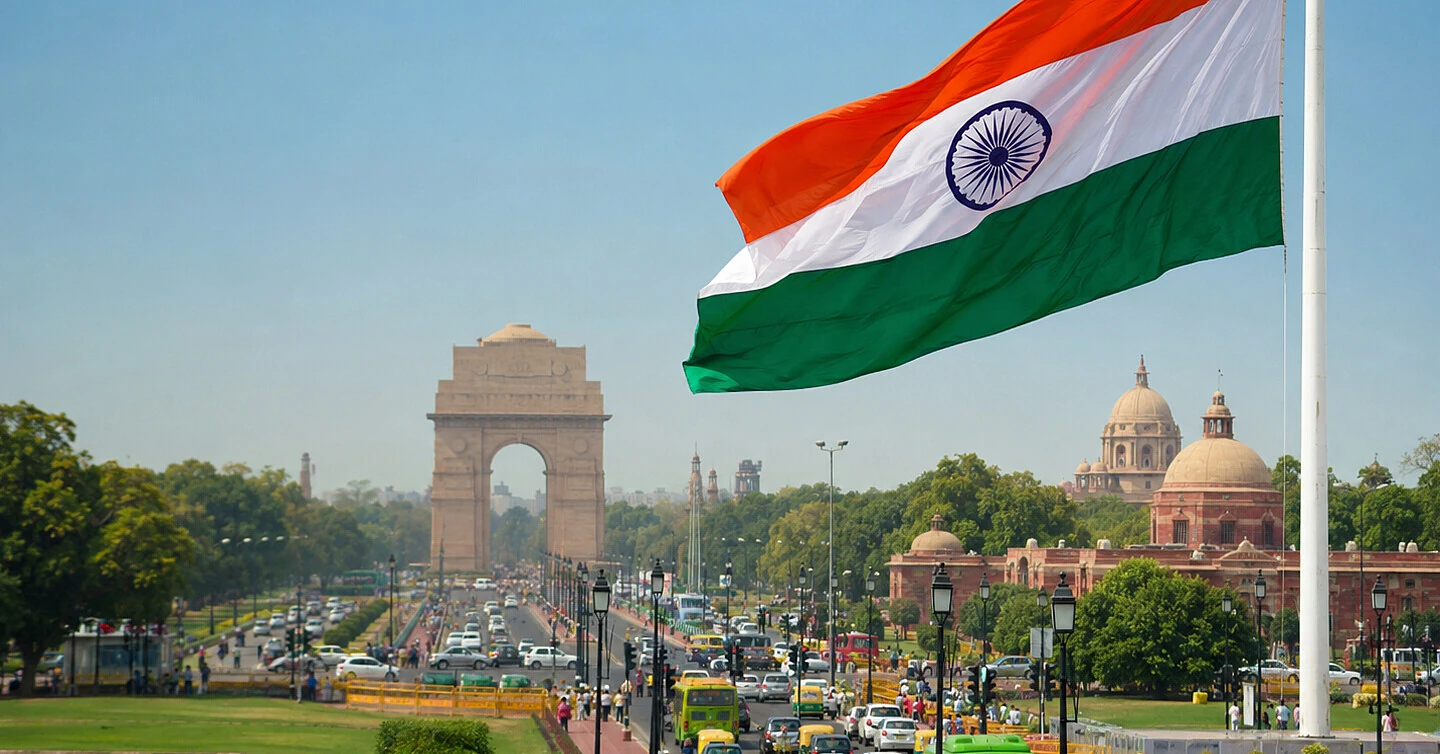
India has lifted a years-long ban on wheat exports and has allowed free shipments of grain to foreign markets. The new rules took effect on August 24.
The Directorate General of Foreign Trade (DGFT) changed the export status of durum wheat and other varieties from "prohibited" to "free". By a separate decision, similar restrictions were lifted from wheat flour and related products, in particular atta, maida and semolina.
Thus, India is effectively returning to the global wheat market after several years of restrictions. The country banned most grain shipments abroad in 2022 due to concerns about food security and domestic prices.
In 2026, New Delhi gradually began to ease the regime. In particular, the government allowed limited volumes of exports, but wheat and flour formally continued to have prohibited status until the new decision. In February, an additional quota of 500 thousand tons was allowed for flour, and DGFT emphasized at the time that the overall export policy remains "Prohibited".
India's return may increase the supply of grain on the global market. The country is the second largest wheat producer in the world, and its latest harvest reached a record 120.6 million tons.
The decision was made amid problems with shipments through the Black Sea. Intensified attacks on ports and commercial vessels have reduced export opportunities from the region where Ukraine and Russia remain among the world's largest grain suppliers. The release of additional volumes of Indian wheat may partially ease the supply shortage for importers in Asia, Africa and the Middle East.
Based on materials from: The Tribune, Business Standard
