
Britain to reveal secret SCALP data for missile assembly in Ukraine
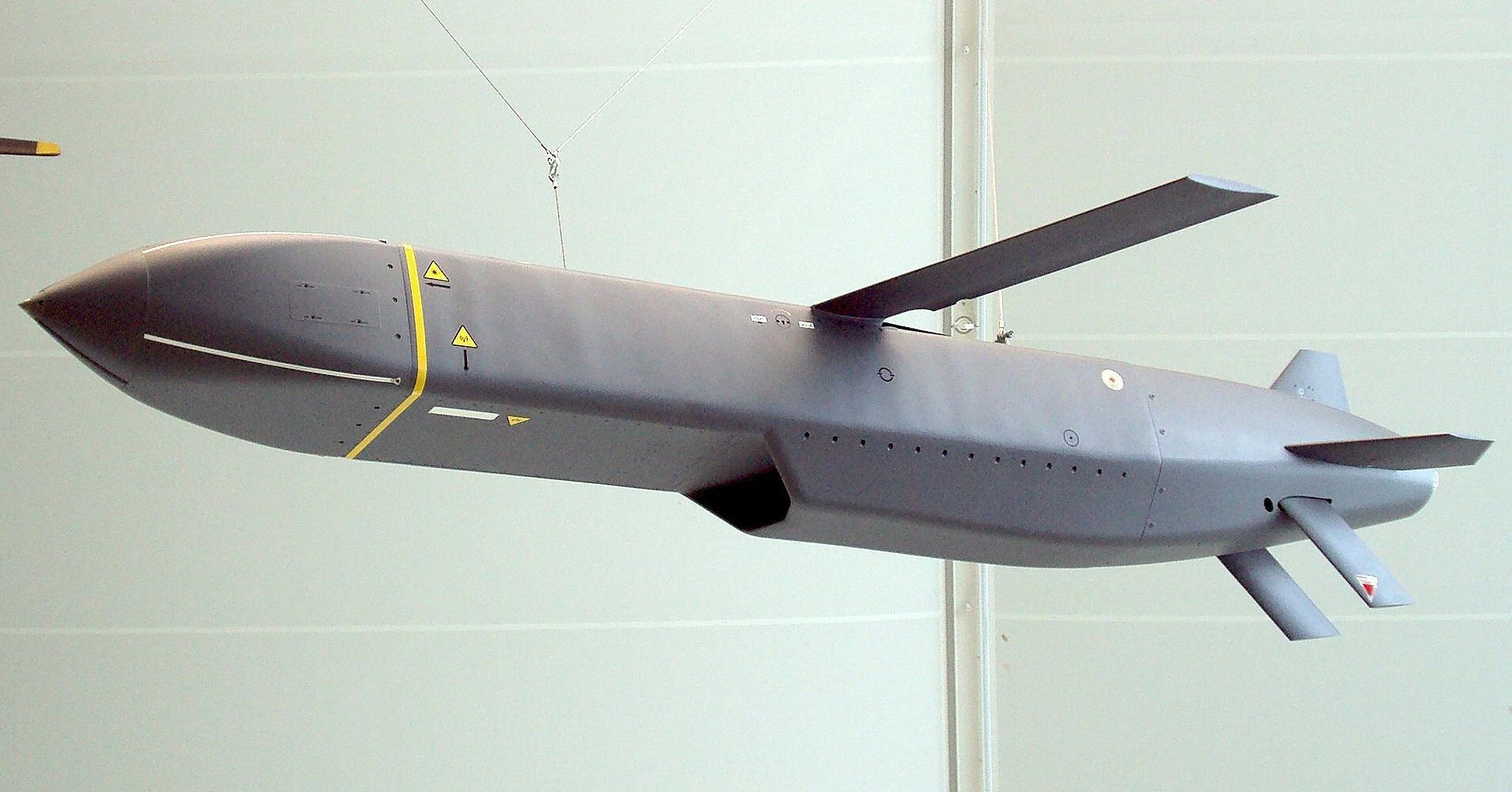
The United Kingdom has authorized defense company MBDA to disclose classified information about British components of the long-range SCALP missiles so that France and Ukraine can advance in creating assembly lines for these missiles on Ukrainian territory.
The British government announced this on August 24 during Prime Minister Andy Burnham's first foreign visit after taking office. He chose Kyiv for the trip, arriving on Ukraine's Independence Day.
SCALP is the French version of the British Storm Shadow cruise missile. Both missiles use shared British and French technologies and are produced by the European defense company MBDA. Therefore, organizing SCALP assembly in Ukraine requires access to the classified information about British components.
According to the UK government, London's decision will allow the French and Ukrainian parties to continue work on Ukrainian missile assembly. For now, the discussion is specifically about creating the relevant production capabilities, not the immediate launch of full-scale production of Storm Shadow or SCALP in Ukraine.
London expands Ukraine's long-range program
The British government linked the new decision to a broader program for developing Ukrainian long-range strike capabilities. London recalled that the UK was the first among partners to provide Ukraine with long-range strike systems of this class in 2023.
In addition, the project is intended to complement the British Brakestop program, under which London is working on accelerated creation of relatively inexpensive, modern long-range weapons for Ukraine.
Thus, the new arrangement differs from a usual transfer of ready-made missiles: the UK actually removes one of the technological restrictions that prevented moving part of the assembly process of Anglo-French weapons to Ukrainian territory.
Burnham stated that British support for Ukraine will not change under his government. According to him, Ukraine's security is directly linked to the security of the United Kingdom, and the partnership between the two countries must continue after the war ends.
The Prime Minister also stressed that London intends to participate not only in Ukraine's defense but also in its subsequent recovery. The 100-year partnership between the countries remains the foundation of long-term cooperation.
According to the UK government, since the start of the full-scale war, the United Kingdom has committed around £25 billion in support for Ukraine. Of this amount, about £16 billion is military aid, and another £5.6 billion is non-military support.
Russia threatens consequences
The decision to share technological information provoked a sharp reaction from the Kremlin. Russian president's spokesperson Dmitry Peskov said that helping Ukraine create its own long-range missiles would supposedly "add fuel to the fire" in relations between Moscow and London.
Peskov also again called the United Kingdom a party to the war on Ukraine's side and accused London of hindering possible progress toward a peace agreement.
Burnham publicly rejected these accusations. Responding to the Russian representative's words about "adding fuel to the fire," the British Prime Minister asked: "Who started this fire?"
During a speech in the center of Kyiv, he also compared Ukraine's resistance to Russian aggression with the UK's struggle against Nazi Germany during World War II. According to him, Ukraine is now on the front line of defending European security.
Burnham said that threats from Moscow will not force London to abandon support for Kyiv. He stressed that the United Kingdom will continue to help Ukraine's defense and considers the current moment as time to increase pressure on Russia and limit its ability to fund the war.
Britain promises to strengthen Ukraine's air defense
Separately, the British Prime Minister promised to continue work on strengthening Ukraine's air defense before the winter period. This comes amid a continuing shortage of means to intercept Russian ballistic and other missiles.
At a ceremony in Kyiv, Burnham stated that the United Kingdom fully recognizes Ukraine's independence and sovereignty and proceeds from the principle that international borders cannot be changed by force.
He also stressed that the British position applies to the entire internationally recognized territory of the country, separately addressing Ukrainians "from Lviv to Luhansk" and promising support throughout the struggle.
The trip to Kyiv was Burnham's first international trip as Prime Minister. In turn, in July President Volodymyr Zelensky became the first foreign leader Burnham received in the UK after coming to power.
In Kyiv, the British Prime Minister is also due to hold talks with Zelensky and take part in a meeting of the "coalition of the willing," which the UK leads together with France. Its participants discuss long-term support for Ukraine and possible mechanisms for ensuring its security.
On Independence Day, European Council President António Costa, Moldovan President Maia Sandu, Estonian President Alar Karis and Luxembourg Prime Minister Luc Frieden also arrived in the Ukrainian capital.
Based on materials from: UK Government, The Guardian
